

25/3/24 – 28/3/24
Crossing the Wagah Border was certainly a bucket list item for me – and once I had stepped across the boundary line and through the gates, I was officially in Pakistan, and quickly en-route to the country’s cultural capital, Lahore.
Lahore is a city of 13 million, and is sprawling. Thankfully, rickshaw rides (courtesy of the Careem app) are incredibly cheap and easy to navigate, and I certainly relied on them during my time in the city.
After arriving at my accommodation for the next few days, I ventured across Lawrence Road to the Bagh-e-Jinnah gardens, an oasis of calm within the chaos of Lahore, for some fresh air.

Colonial buildings spotted on my walk
I’d read that it was common, during Ramadan, for local mosques and community groups to organise large iftar meals in the streets for people to come and break their fast. This may have been the understatement of the century, as during Ramadan in Lahore, the streets come completely alive at night. I stopped in front of a mosque, not long before sunset, and was invited to share in their iftar meal. I sat down on the carpet, and watched as hundreds of Pakistanis came into the grounds, washed their hands, and sat down with each other on the floor. As iftar began, dates were handed out, and giant pots of biriyani and dal were trundled out. Some young Pakistani students came and sat by me, practicing their English, asking questions, and trying their best to explain some of the traditions to me – oh, and how to eat rice and curry effectively with your hands (of which I was a complete mess at!).
This was my first taste of Pakistani hospitality, and left me with such a positive impression. Pakistan is a country with high levels of poverty, regional violence, and a negative reputation, but its people are friendly, welcoming, and kindhearted – a pattern that I’ve begun to notice during my travels.
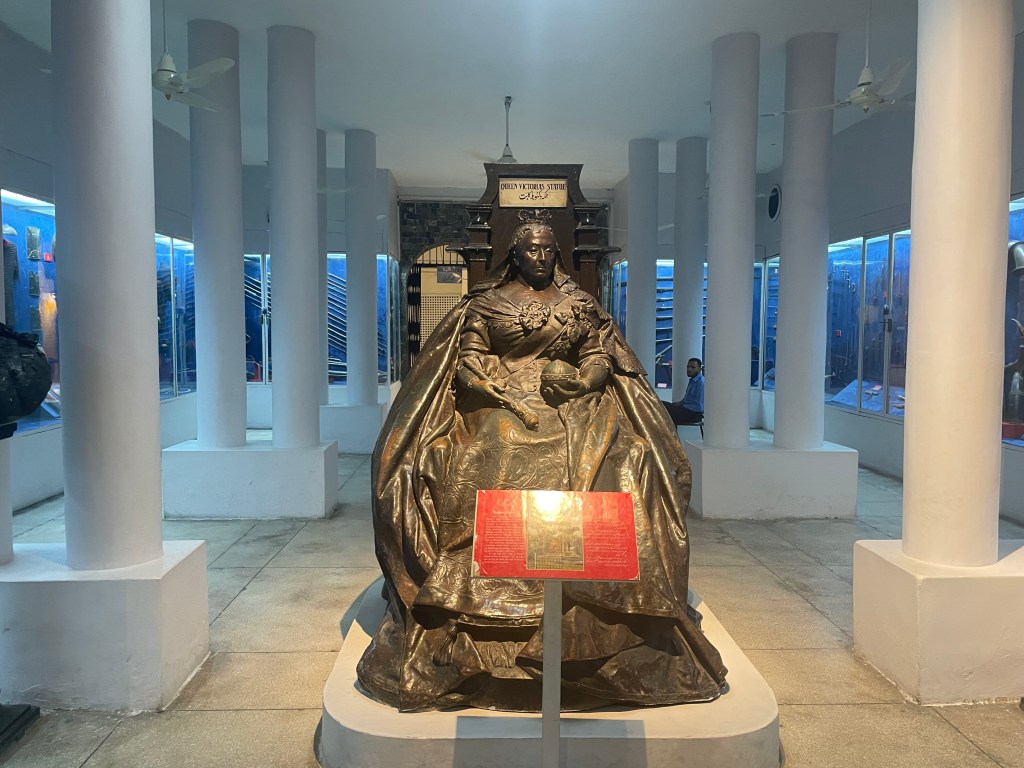
As a museum buff (read: history nerd), I headed out the next day to the Lahore Museum. This place was built during the British Raj era, and the building has that incredible colonial design to it. There are some fascinating exhibits, documenting the development of Lahore throughout history, however I thought the most impressive thing in the whole museum was the giant statue of Queen Victoria, which once stood in Charing Cross in the centre of Lahore.
The old part of Lahore, also known as the Walled City, is located in the north, near to many of the city’s most famous attractions. Entering through Bhati Gate (one of the walled city’s 13 historic gated entrances), I headed through the mazy streets, coming across a variety of strange and wonderful sights, including a weapons market (strange for an Aussie, at least!), random animals roaming the streets, fruit and vegetable stalls, blacksmiths and tailors, just to name a few. I stopped a few times to talk to people on the street, many of whom wanted to practice their English – and in a sharp contrast to Delhi, not a single person tried to sell me anything!


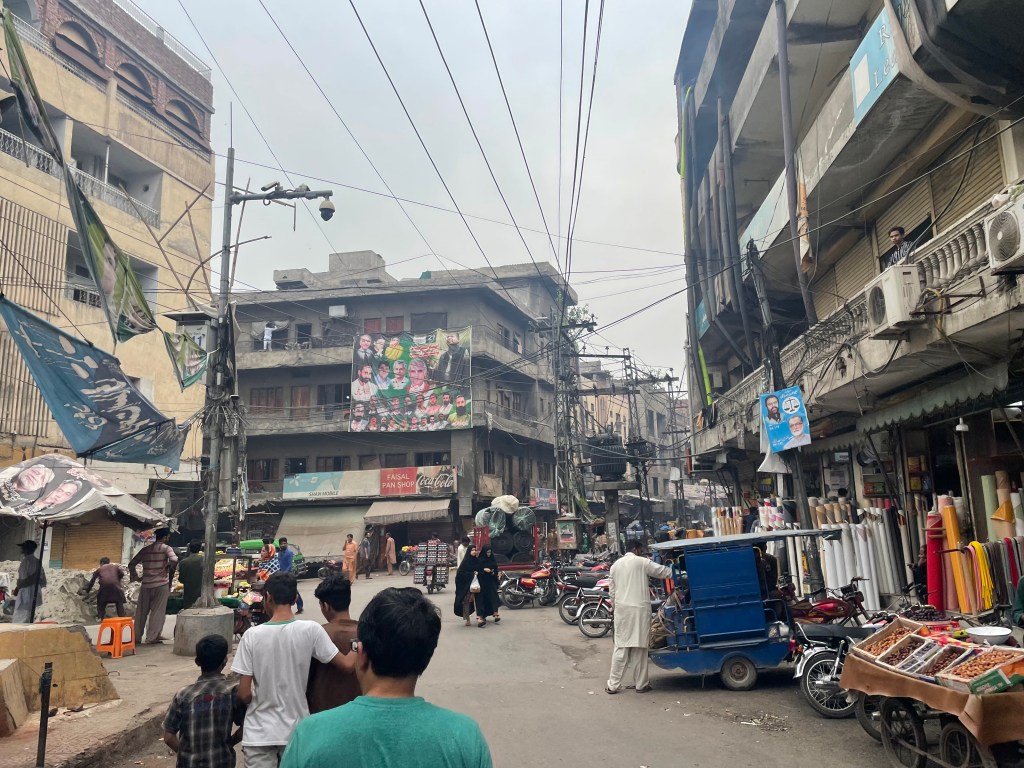
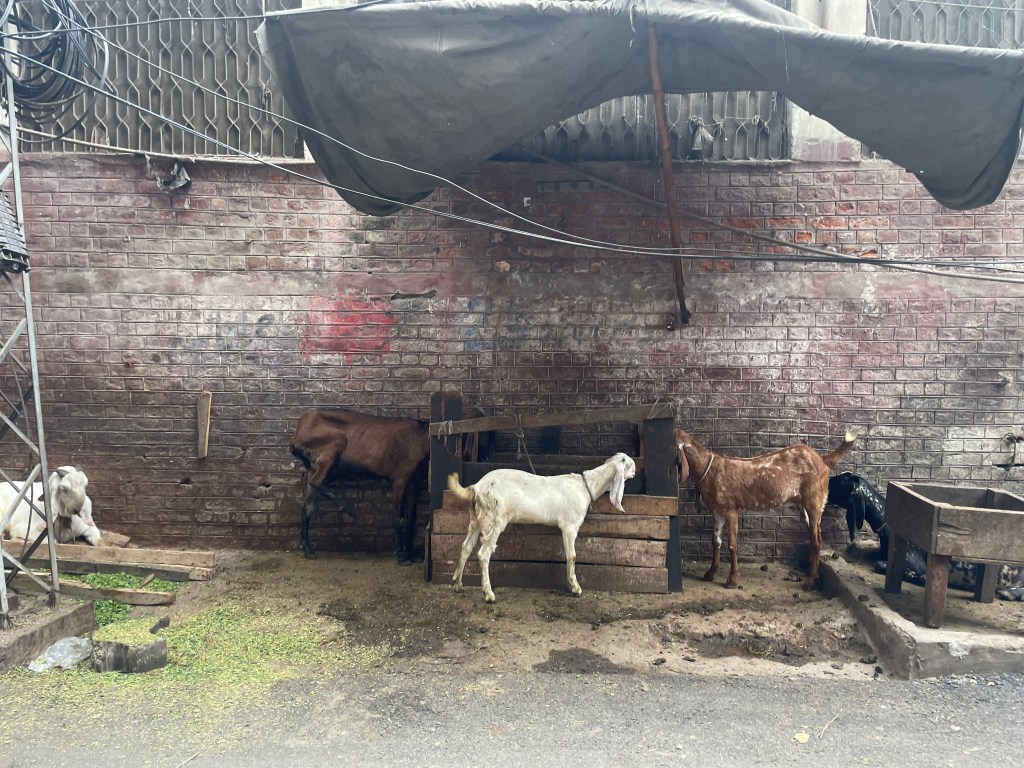
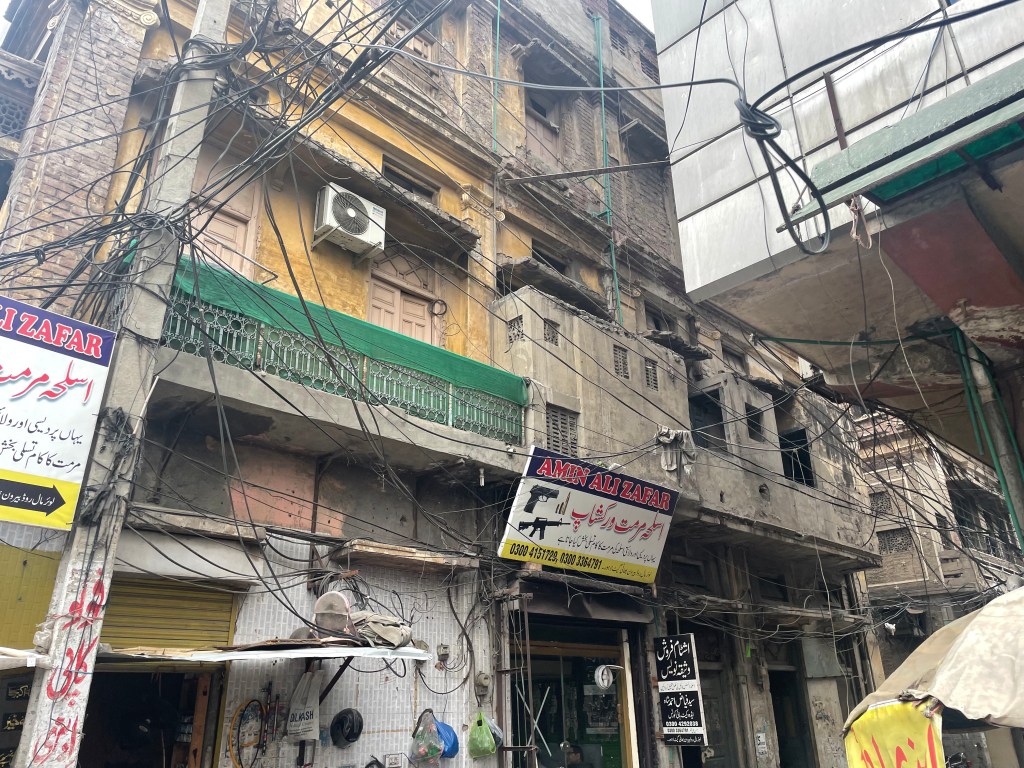
The streets of Old Lahore
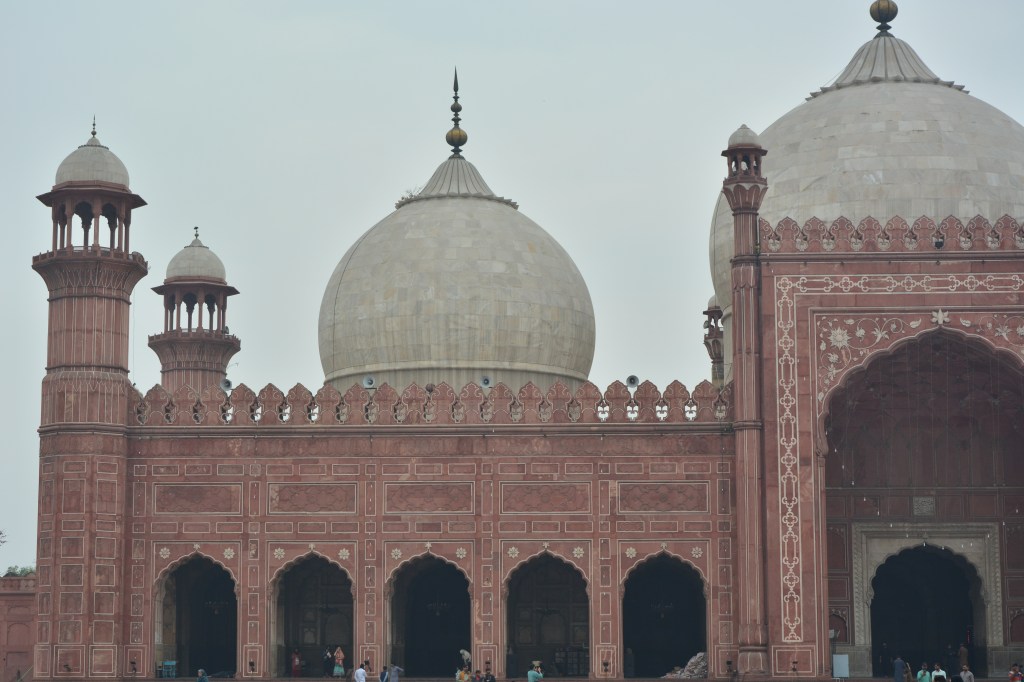
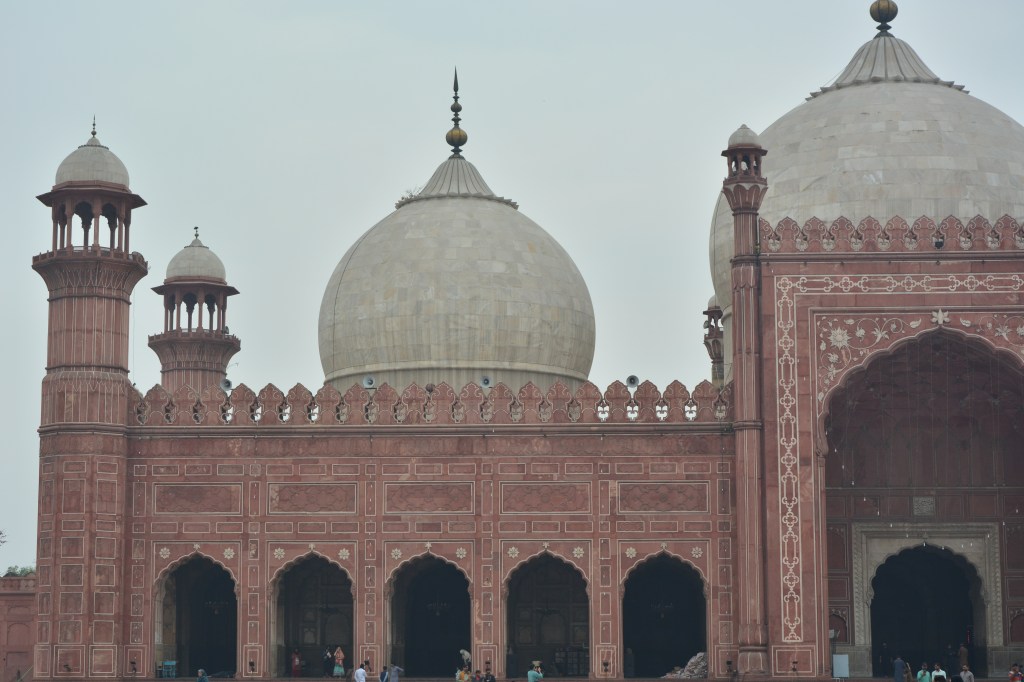
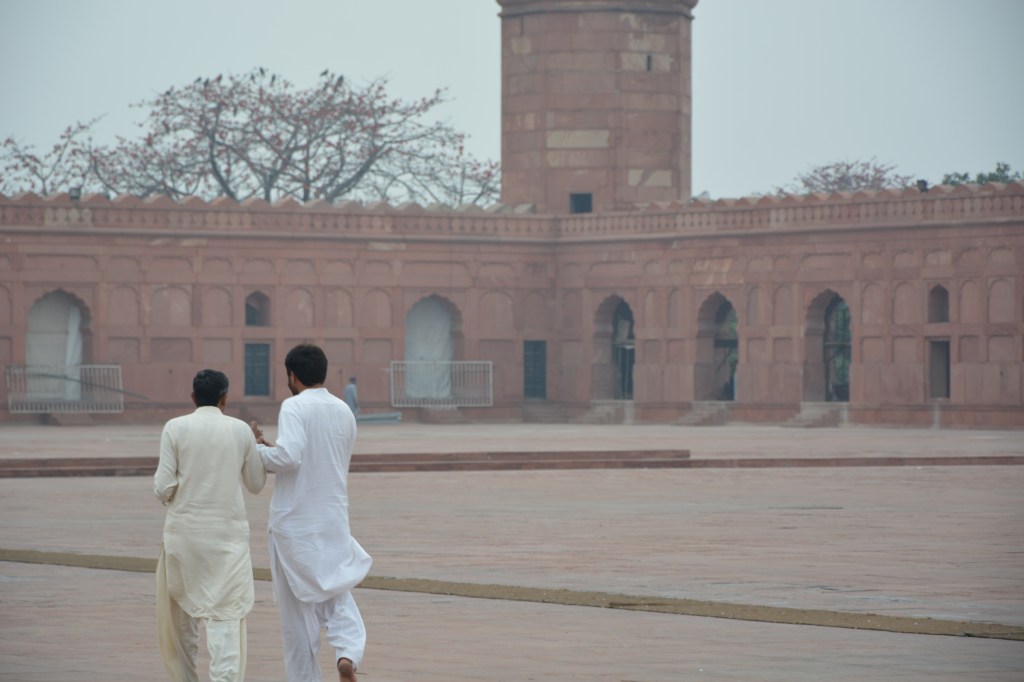
I made my way through the winding streets, before finding myself outside the Badshahi Mosque. Over 350 years old, this Mughal-era mosque is one of Lahore’s most iconic landmarks, and in my opinion, is up there with the Taj Mahal as striking examples of Mughal architecture. Entry here is free, but you’ll have to remove your shoes, and pay the porters who mind them for you, which only costs a few rupees.


Opposite the Badshahi Mosque is Lahore Fort – constructed in the 1500s, rebuilt under Mughal Emperor Shah Jahan, and finally used by the British as a garrison, the complex gives, through its architecture, a fascinating view of Lahore’s history. Unlike the Badshahi Mosque, entrance to Lahore Fort attracts a fee of 1000 rupees for foreigners, which works out to about $5AUD. Just after the ticket office are a few guides milling around, who will offer you their services around the fort. I wasn’t interested, but by listening in to their negotiations with the few other tourists at the site, their services could easily be haggled down to about 500 rupees, or $2.50AUD.
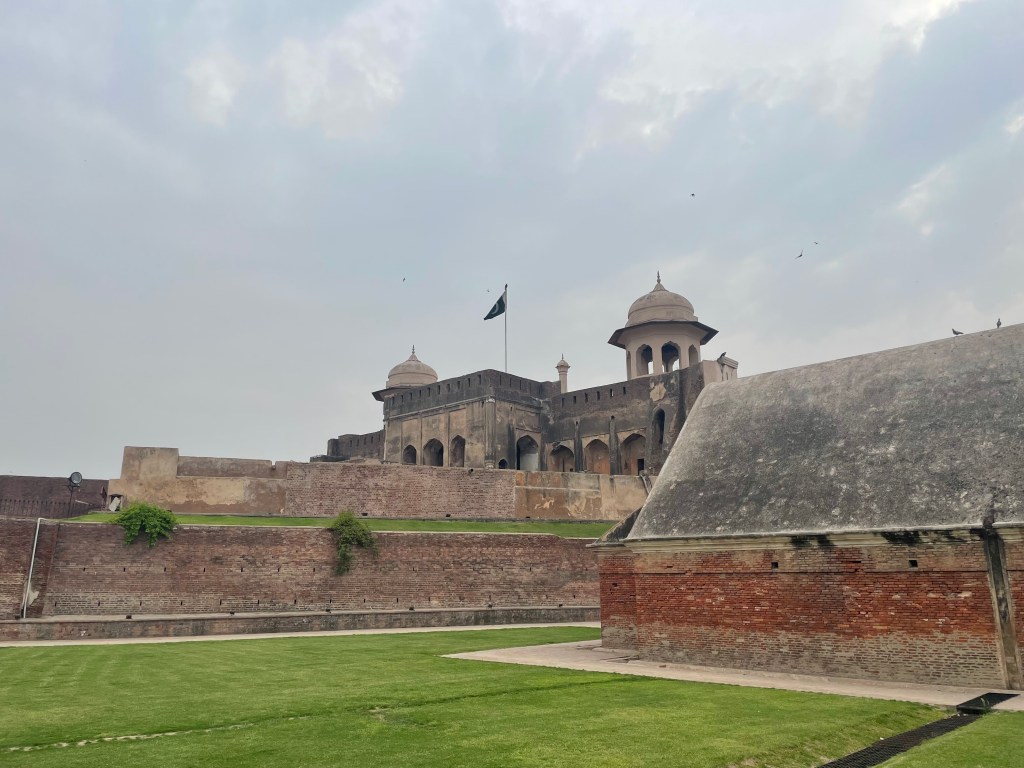


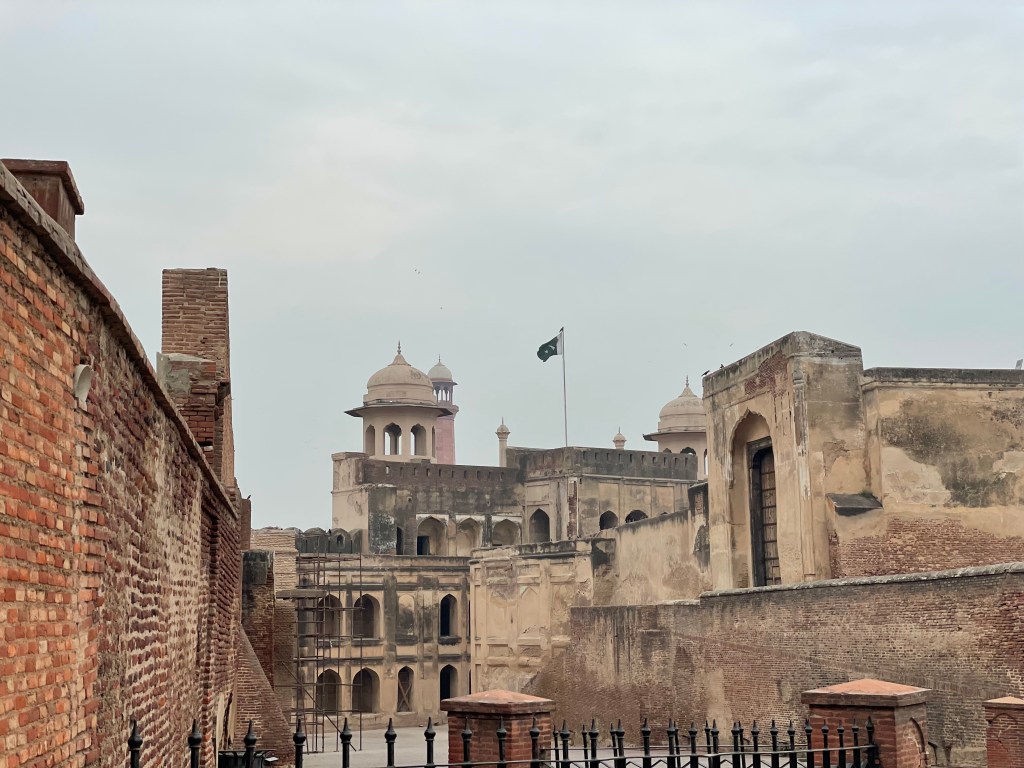
Lahore Fort
I spent my evening at the mosque again, eating iftar in the courtyard with the hundreds of others. Lahore’s city streets light up colourfully at night during Ramadan, and people are out and about until the early hours of the morning, creating a bustling atmosphere that seems somewhat confusing at 1am! My time on the subcontinent might have been coming to an end, but next up, a new experience altogether – Iraq!

Ramadan decorations lit up at night


 Global Wanderer
Leave a reply to Kim Cancel reply