

28/9/25
Nikko is a small city located about 90 minutes north of Tokyo by train, and is home to a number of historical sites, including the famous Toshogu Shrine, constructed by the Tokugawa Shogunate, in 1617. After hopping on an express train from Asakusa station, we found soon found ourselves at the centre of the town, ready to explore.
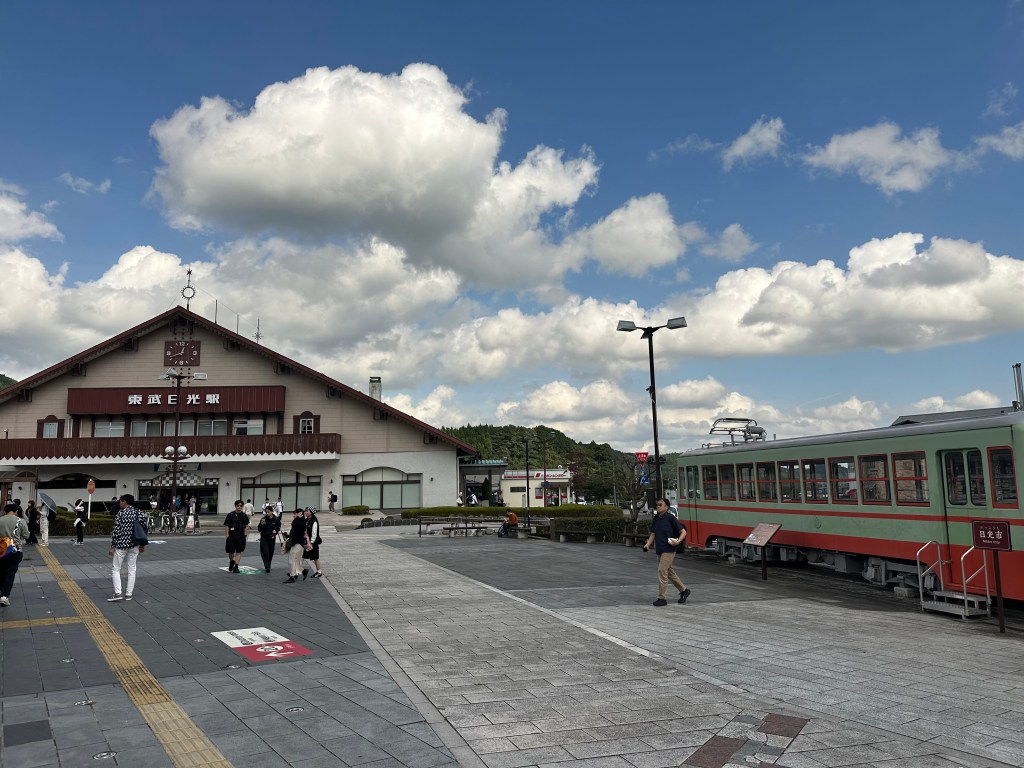
The square outside Nikko station
A short walk from the train station in Nikko takes you to Shinkyo Bridge, a 28-metre sacred bridge crossing the Daiya river. The bridge marks the entrance to the area of Nikko populated by the shrines and temples, and is a popular photo spot – just be aware that to actually walk on the bridge (it is closed on one end, so people just walk on to take a photo, then walk off), there is a fee – but it is much easier to just admire the bridge from the footpath/road opposite it!
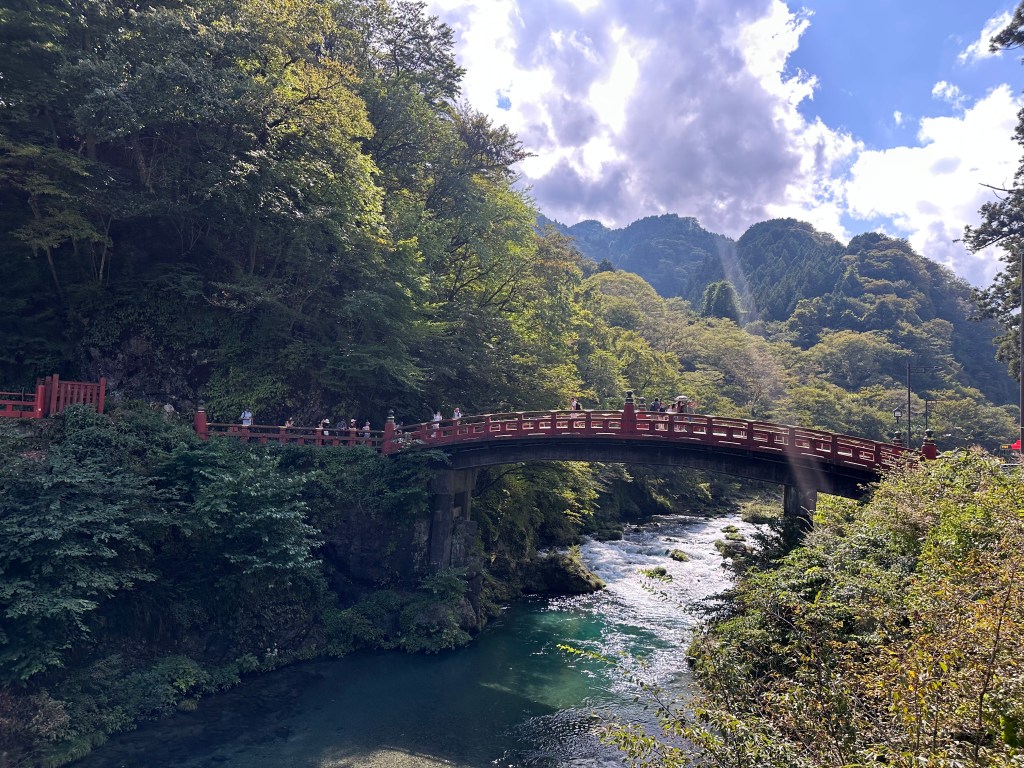
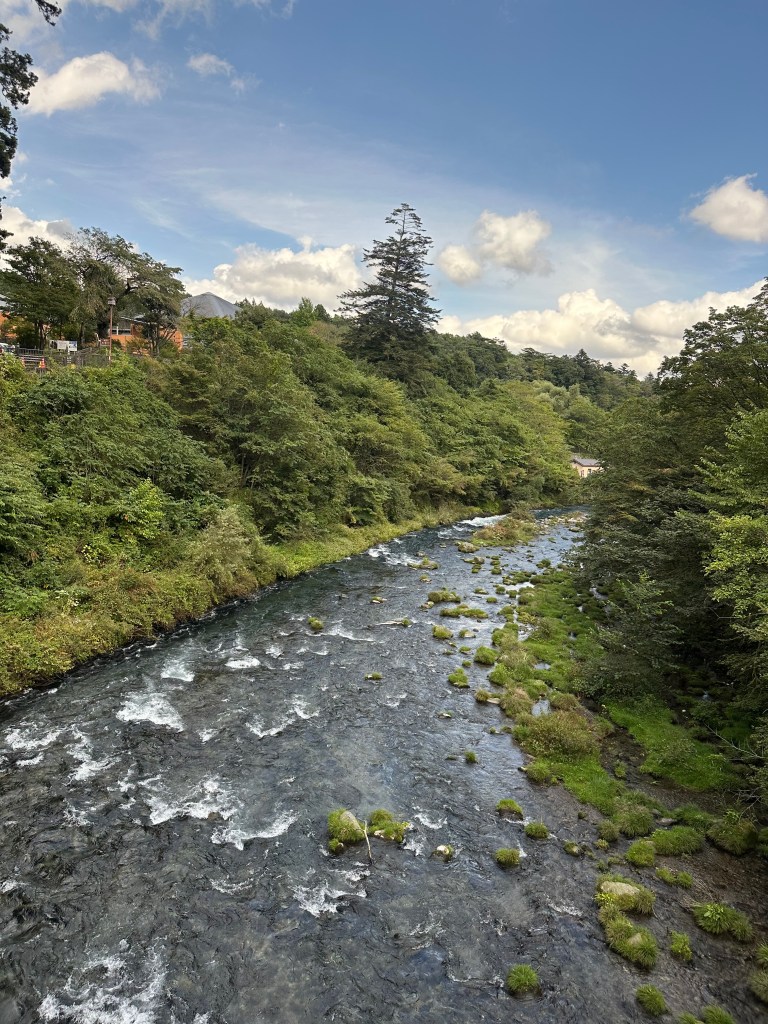
Shinkyo bridge, and the river that flows underneath
Past the Shinkyo bridge lie the UNESCO World Heritage-listed temples and shrines that Nikko is famous for. The first one we came across was the impressive Rinno-ji – a 1200 year old temple made entirely of wood – and its accompanying traditional garden.
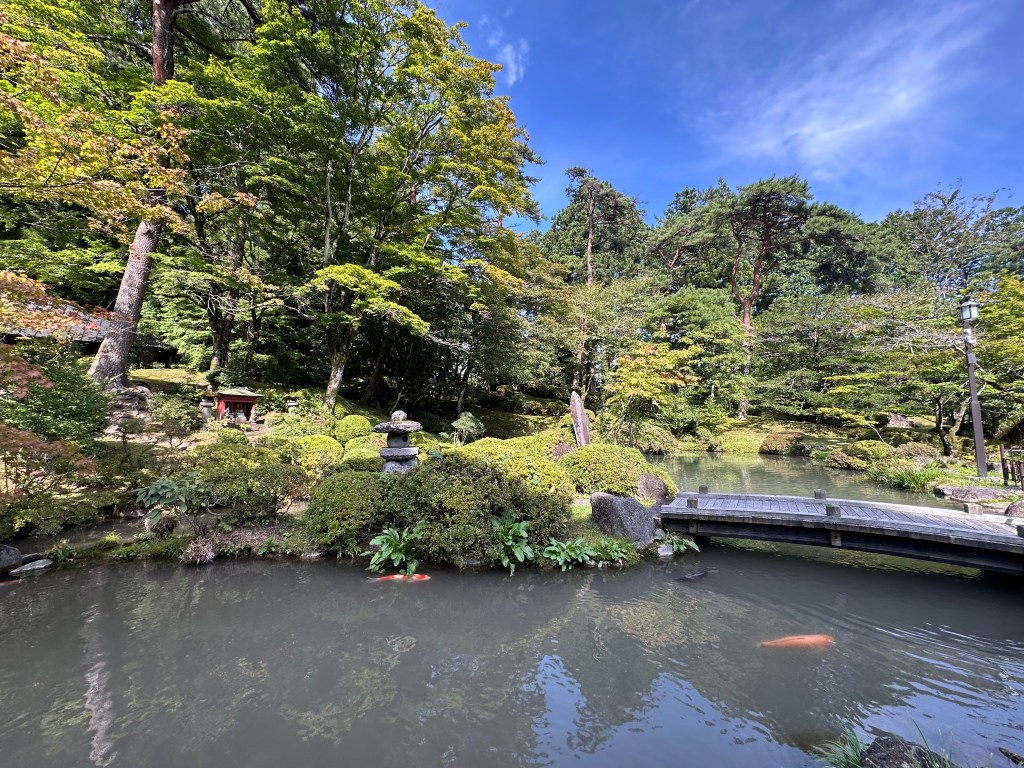
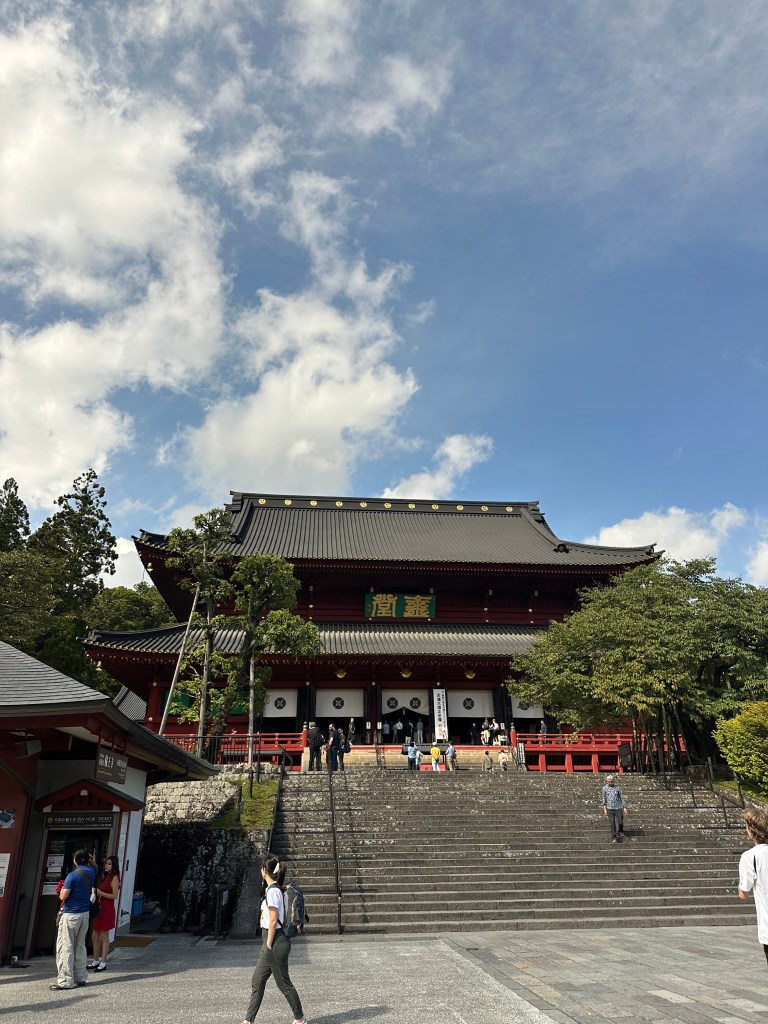
Traditional garden in the grounds of Rinno-ji, and the front of the temple itself
There are a large number of other temples and shrines located nearby – we spent a while wandering through walkways and paths, spotting smaller shrines tucked away, and following pilgrims making prayers and offerings at many of them. One of the more impressive structures, next to the Toshogu Shrine (the final resting place of the Tokugawa Ieyasu, the founder of the Tokugawa shogunate, which ruled Japan for 250 until the Meiji Restoration of 1868), was the gojunoto, or five-storey pagoda.
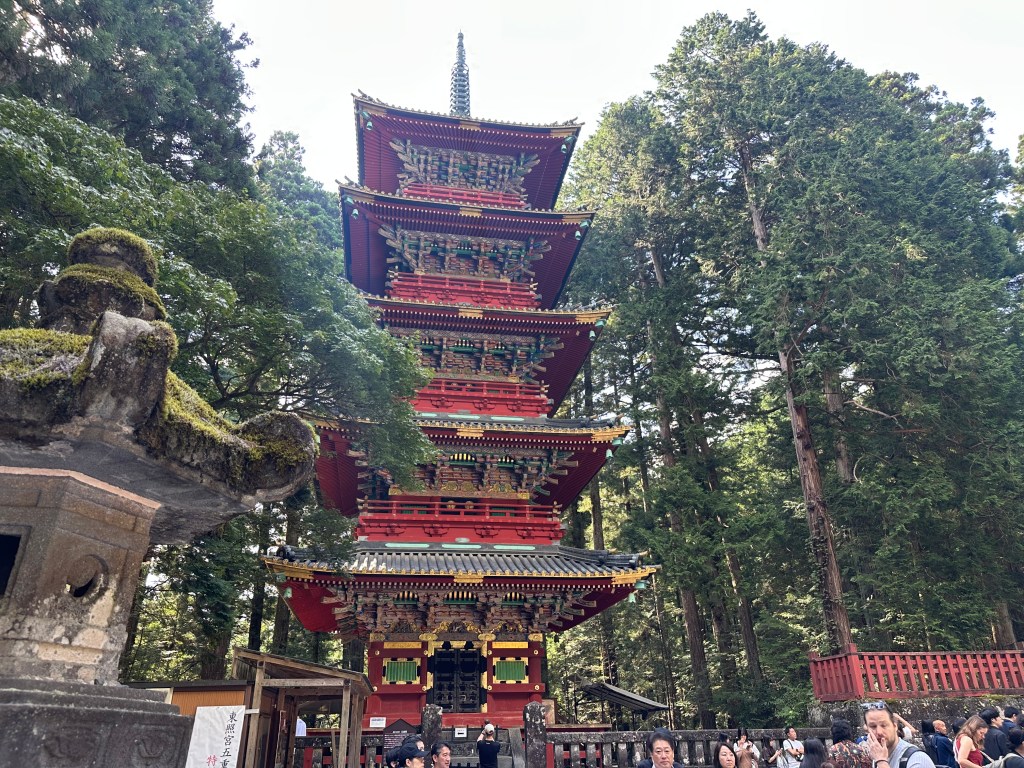
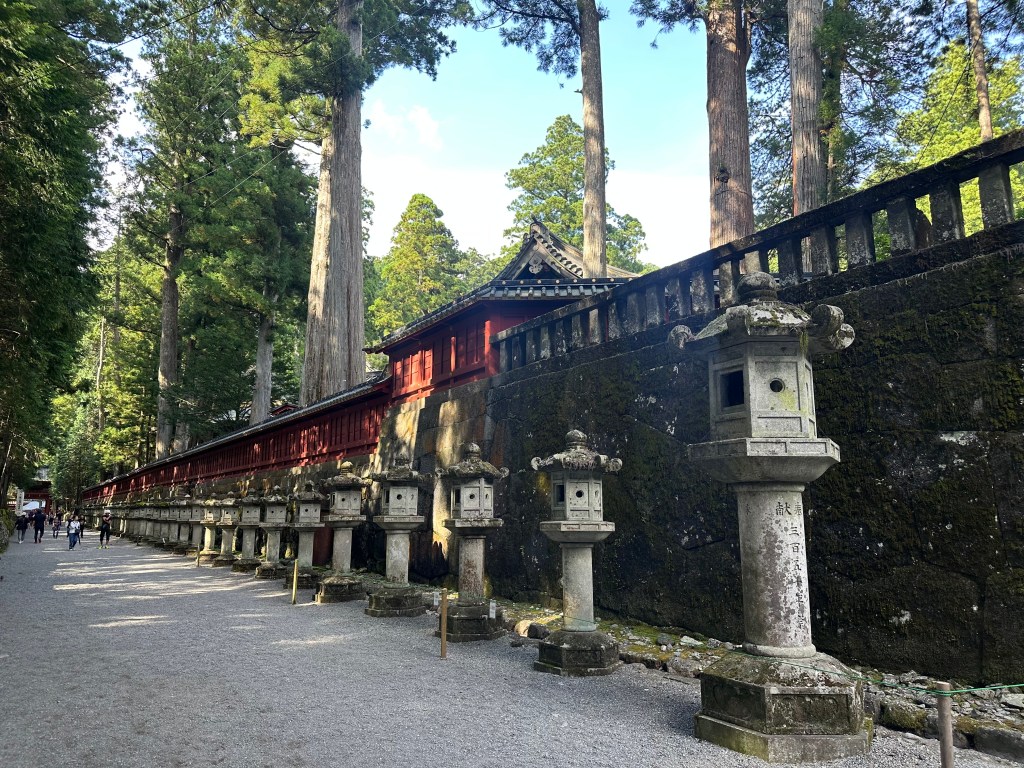
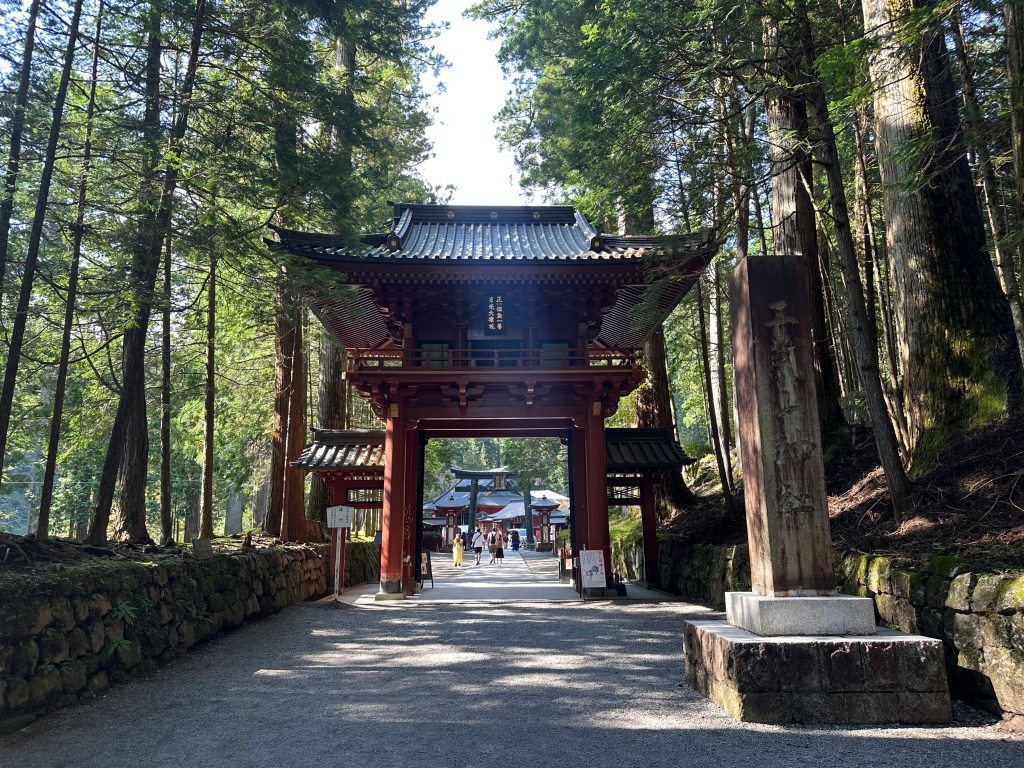
Some of Nikko’s heritage-listed structures, including the gojunoto at the Toshogu Shrine
We continued walking away from the town towards our next stop, the Kanmangafuchi Abyss. Here, the Daiya river cuts through the landscape, and the water flows in rapids down the gorge – but the main highlight of the Kanmangafuchi Abyss is the large number of jizo, or Buddhist statues, that line the pathway along the gorge. The red-bib-wearing statues are guardians of children and travellers, amongst others, and according to local legend, cannot be counted (it has been suggested that if you try to count them on your walk up the gorge, and then recount them on your way back, you’ll always end up with a different number!).
This was honestly one of my highlights – the walk through the gorge is incredibly peaceful, and one of the only noises you’ll hear is the crashing of the water on the rocks nearby! And the jizo accompanying you on the way are a fascinating reminder of the Buddhist heritage Japan has.
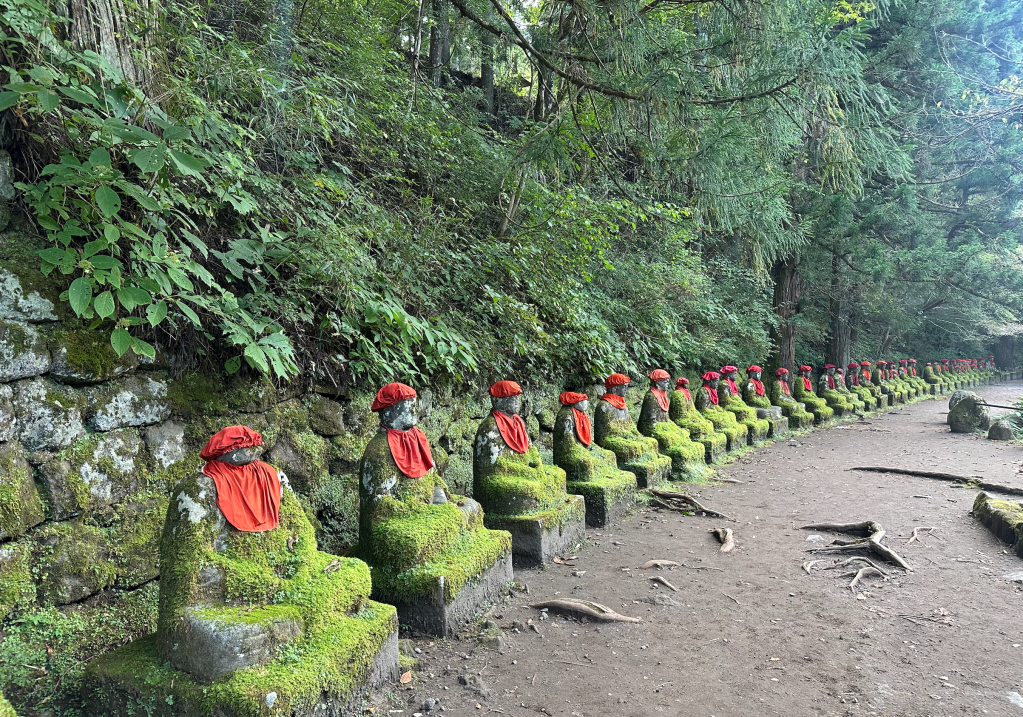
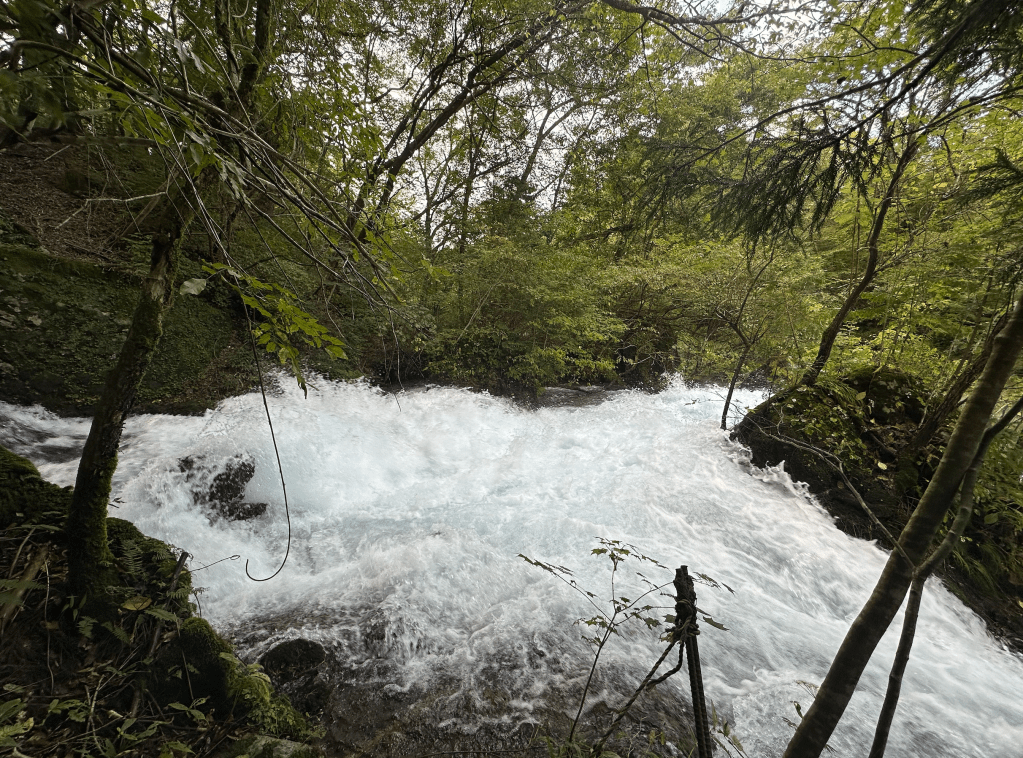
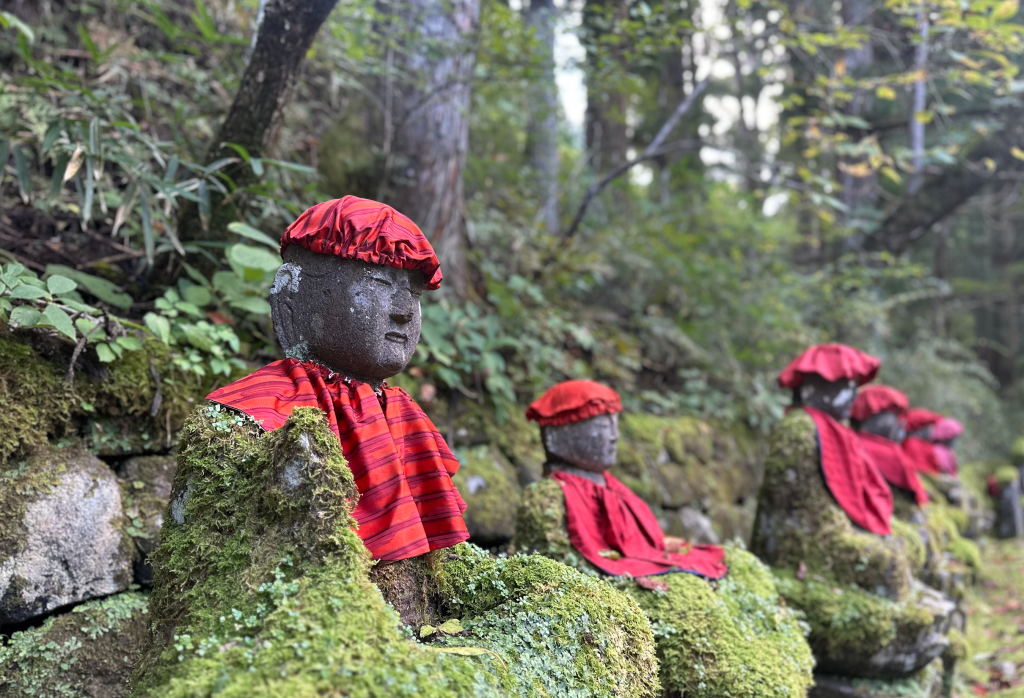
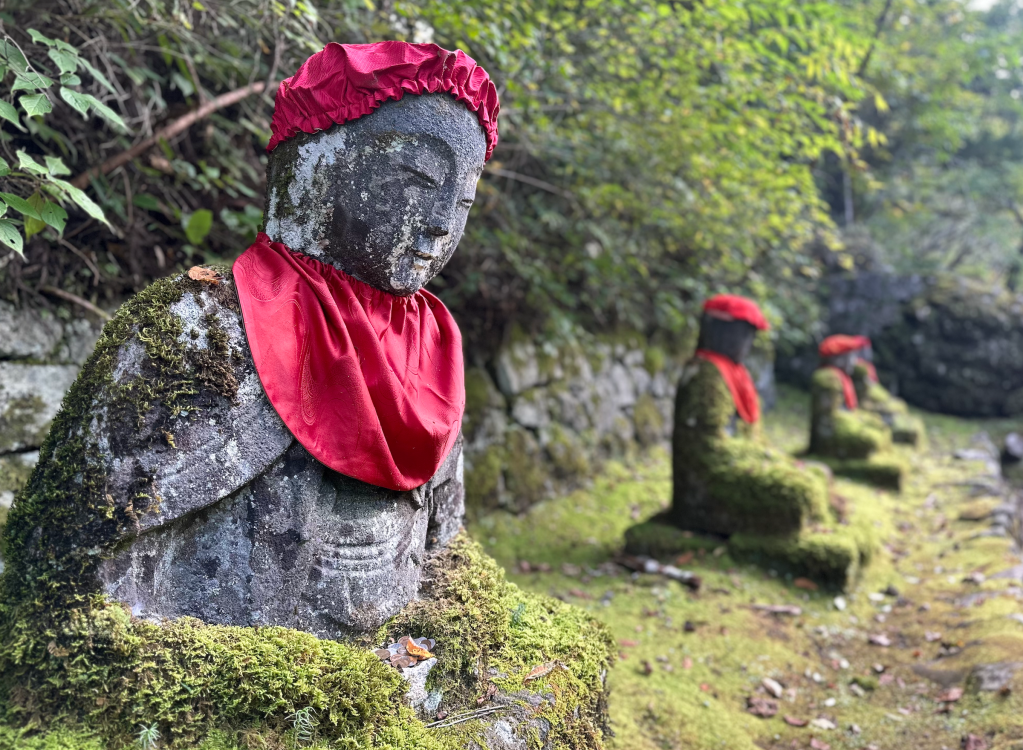
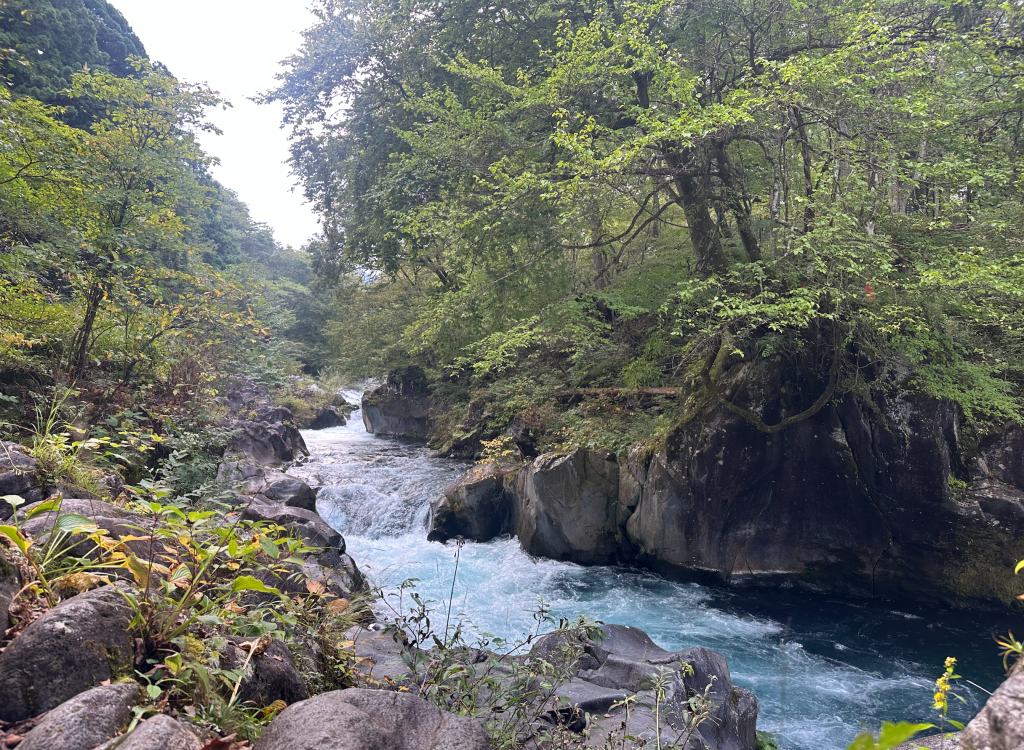
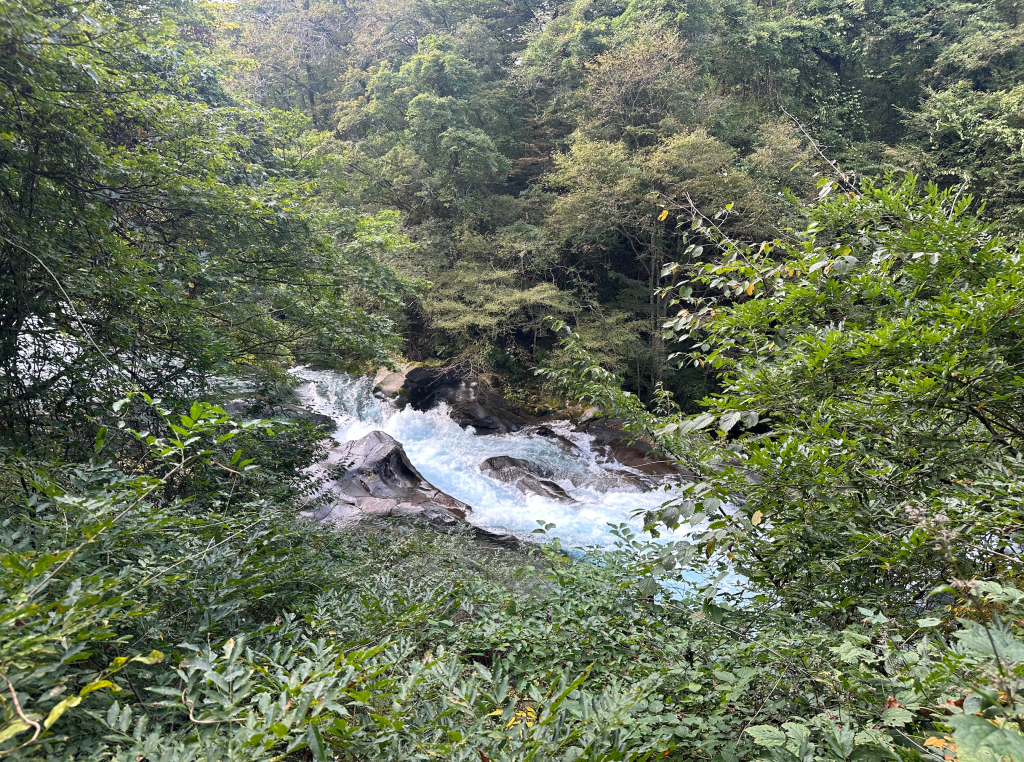
The river flowing through the gorge, and the jizo lining the pathways
On our way back into the town, we came across an interesting building – apparently the old town hall – which now serves as the centrepiece of a memorial park. It’s a fascinating piece of architecture – worth stopping for a quick look!
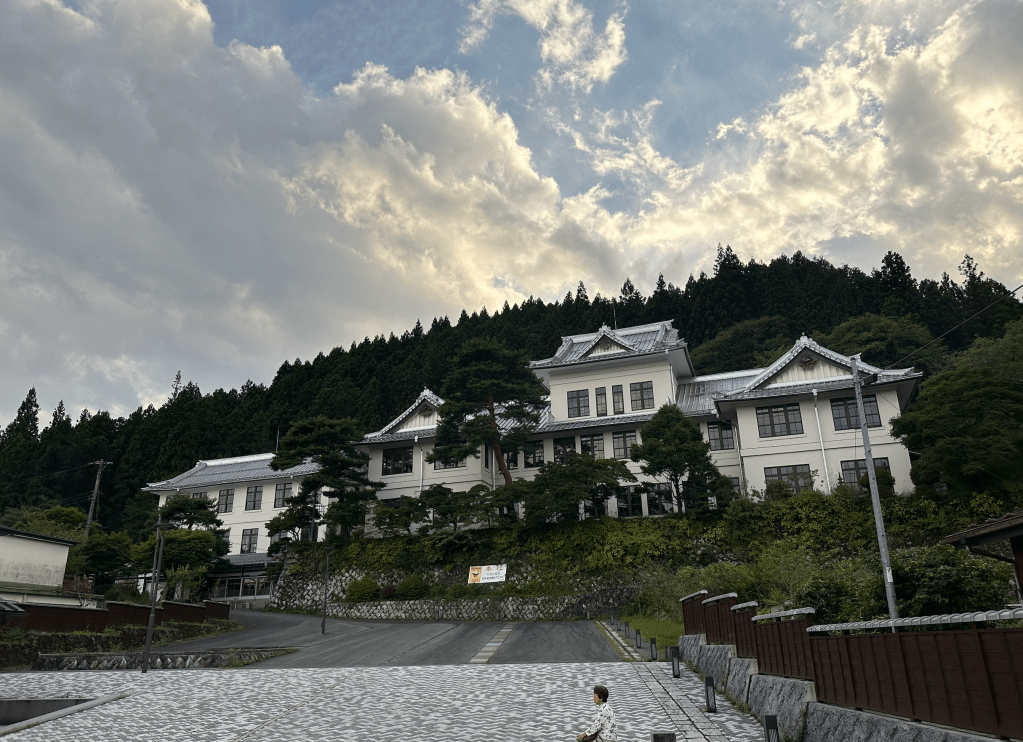
Nikko’s Old Town Hall and surrounding memorial park
Before the train back to Tokyo, we decided to stop for a quick bite to eat at a bakery called Cheese Garden – serving incredible Japanese cheesecake. After filling up, we walked down to the railway station for the express service back to Tokyo. Nikko was definitely worth the visit – you could even stop here for a night and have more time to see the shrines and temples! If you’re in Tokyo and looking for a good trip out, I’d highly recommend it!
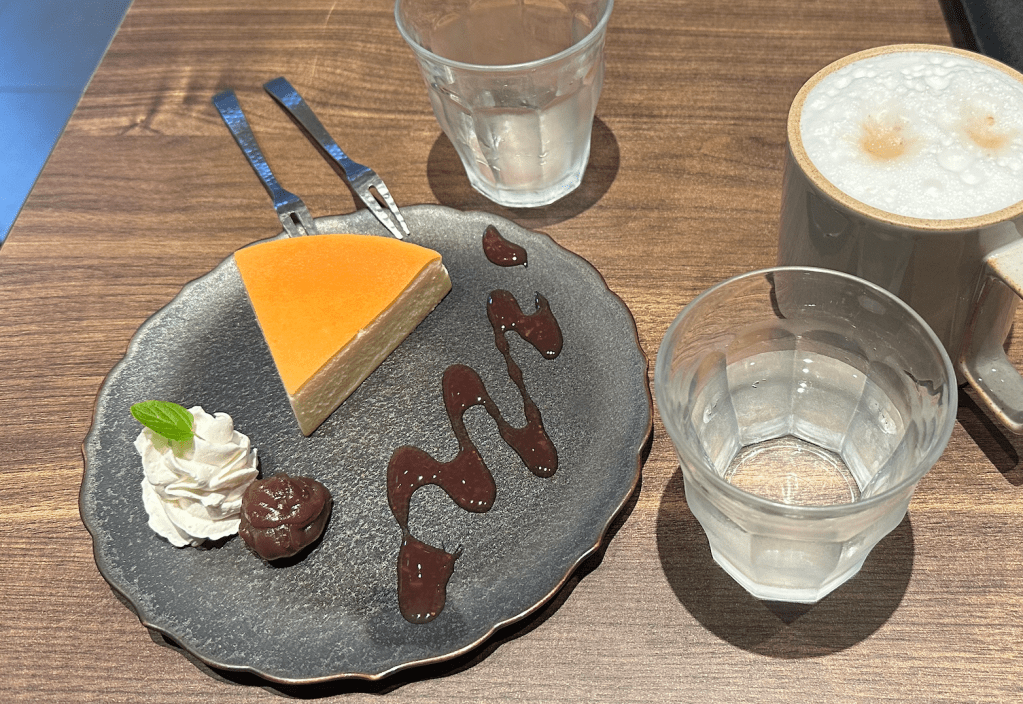
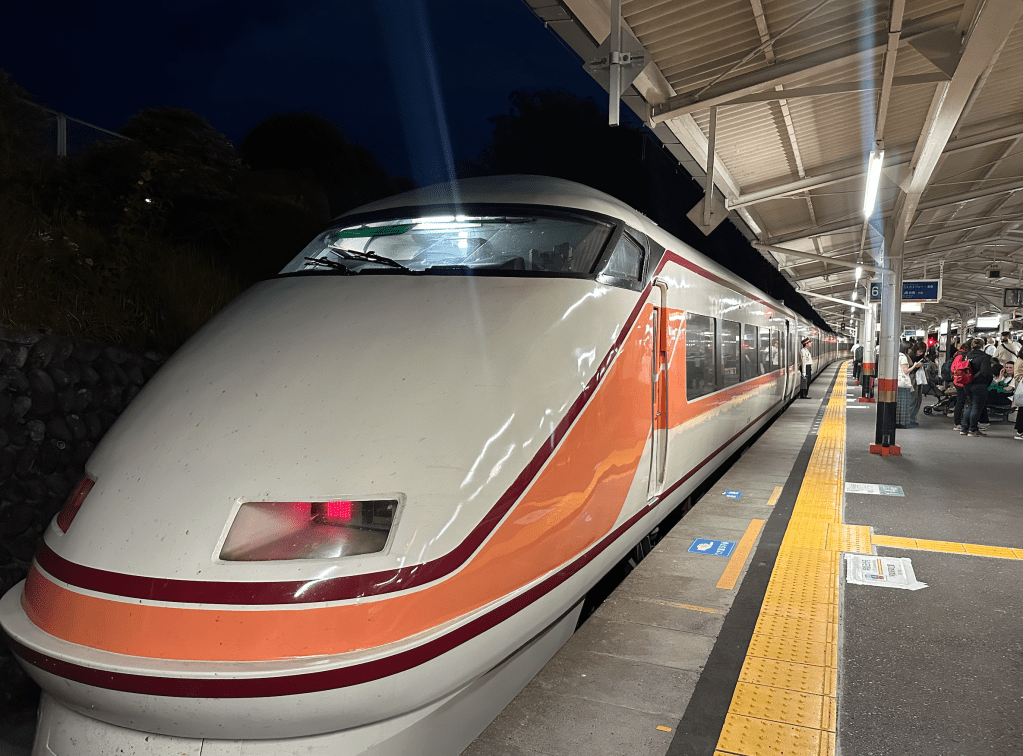
Cheesecake at Cheese Garden, and the express train to Tokyo
 Global Wanderer
Leave a comment