

11/12/24 – 14/12/24
It is a short flight between Bucharest and Belgrade, on an AirSerbia ATR72, however a delay at the airport meant we were slightly later arriving in Belgrade than planned! There are a few options for getting to the city centre from the airport in Belgrade – the A1 minibus, or the 600 bus, both of which only accept cash. Strangely, the currency exchange wouldn’t accept Romanian Lei – despite being next door neighbours! – so I had to swap over some Euros. At least the rate was pretty much spot on!
Given the cost difference was minimal (the minibus was something like double the cost of the bus, except the bus fare was less than a dollar), we decided to take whichever one showed up first – which happened to be the minibus! It was quick, efficient, and dropped us off at its terminus, an intersection in the centre of Belgrade which just happened to be the same street our hotel – what a coincidence!
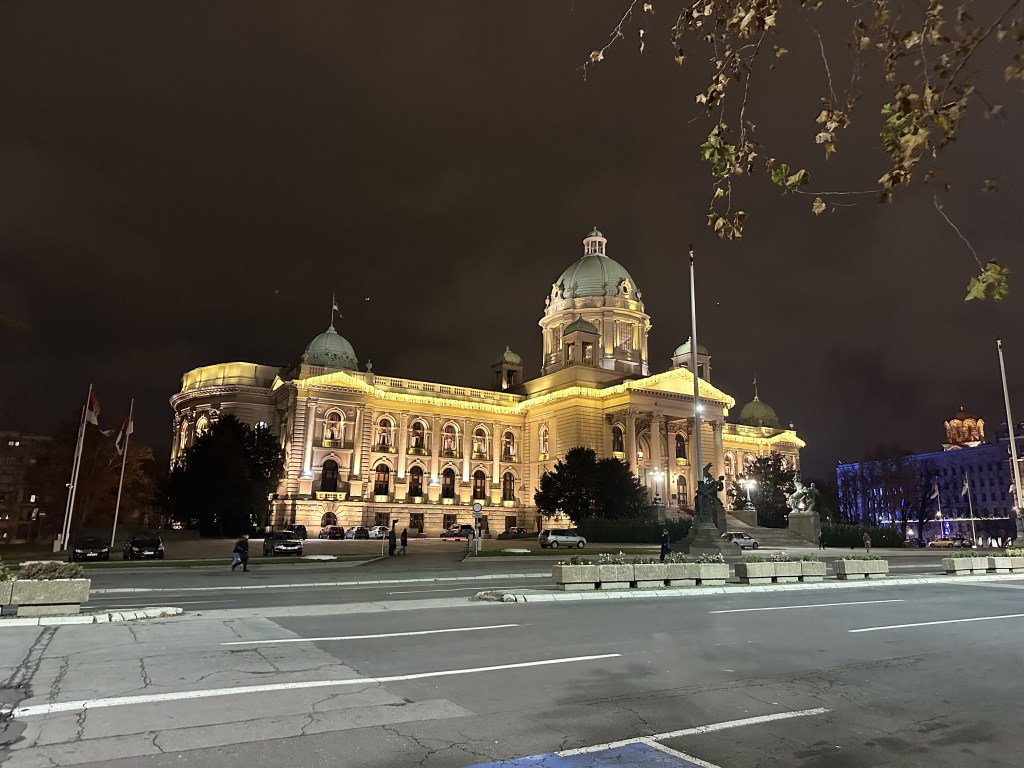
At this point, it was already well into the evening, and so we wandered out into Belgrade’s lively city centre to get a bit of a feel for the place. Belgrade looks and feels decidedly European – even more so than some EU capitals!
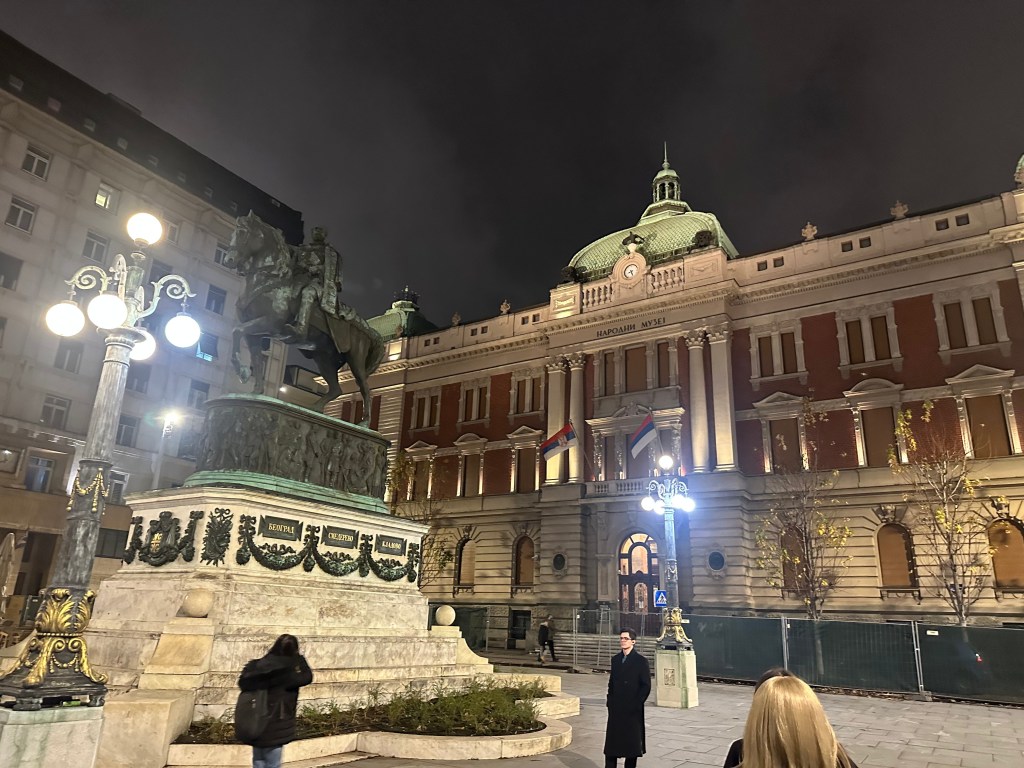
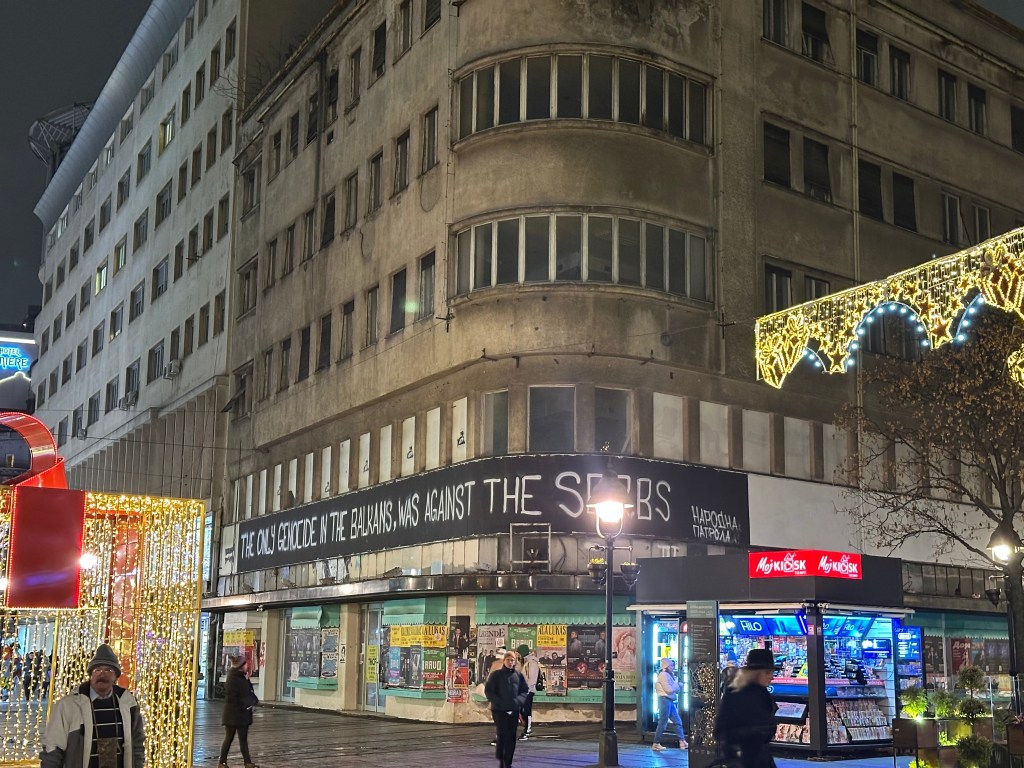

Some pictures of Belgrade’s city centre at night – it is quite a beautiful city!
I’ll skip a day here, because we took a day trip out to the northern city of Novi Sad – which I’ll write about in a separate post. When we returned to the capital that evening, however, we took a short walk around the neighbourhood, where we found the incredible Hotel Moskva, one of the oldest hotels in the country. Opened in 1908, it still has an air of ‘fancy’ about it, and it is certainly an iconic site in Belgrade.

Hotel Moskva – opened in 1908, this is one of Serbia’s oldest operating hotels!
The next morning, we went out to find some of Belgrade’s more modern icons – the old Ministry of Defence buildings. These buildings, part of the Yugoslav Army’s headquarters, were bombed by NATO in the 1990s, and have been left standing as a reminder of the war in Belgrade. Unfortunately, they may not be around much longer – earlier in 2024, a deal was announced with Kushner Realty to demolish the buildings and sell the land off (an update from 2025: the Serbian government and Kushner Realty announced that a Trump Hotel would be built on the site – but first, they need to get the buildings removed from the Cultural Heritage Registry, which is proving more difficult than anticipated).


The bombed-out former Ministry of Defence headquarters
We then made our way to the enormous Church of Saint Sava. Construction on the church, modelled after the Hagia Sofia, began in 1935, but it was not officially consecrated until the 21st century, and there are still worked ongoing to finish off the interior. That being said, it is an absolutely incredible, immense structure, decked out in some beautiful pieces of art.
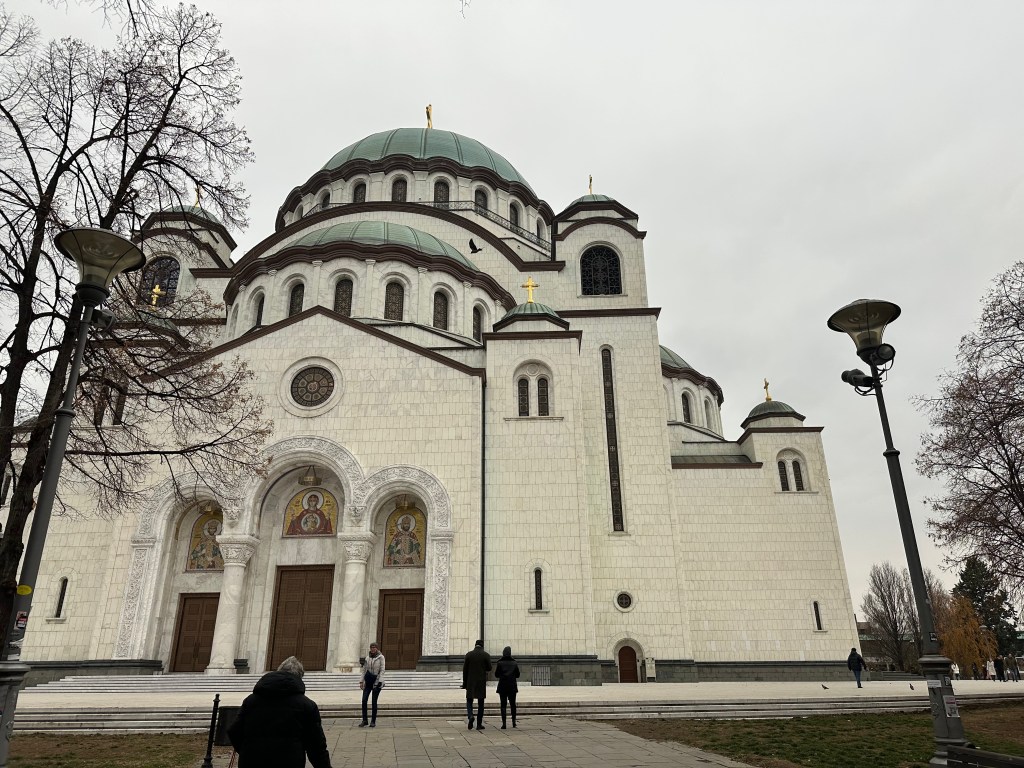


The Church of Saint Sava – one of the most impressive Orthodox churches I have been in!
We then headed to another church – that of St. Mark – where we discovered the final resting place of Emperor Dušan, a 14th century Serbian king!

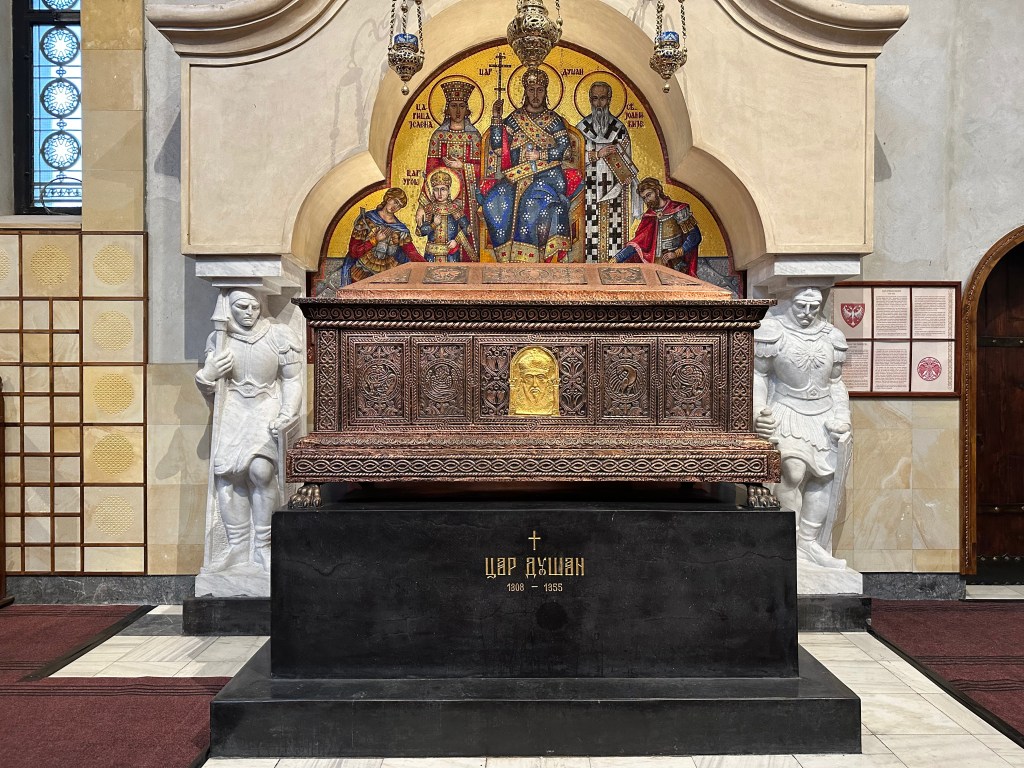
St Mark’s Church, and the tomb of Emperor Dušan
We walked back through the city towards Belgrade Fortress, stopping along the way to take in some street art – and a quick coffee pitstop.


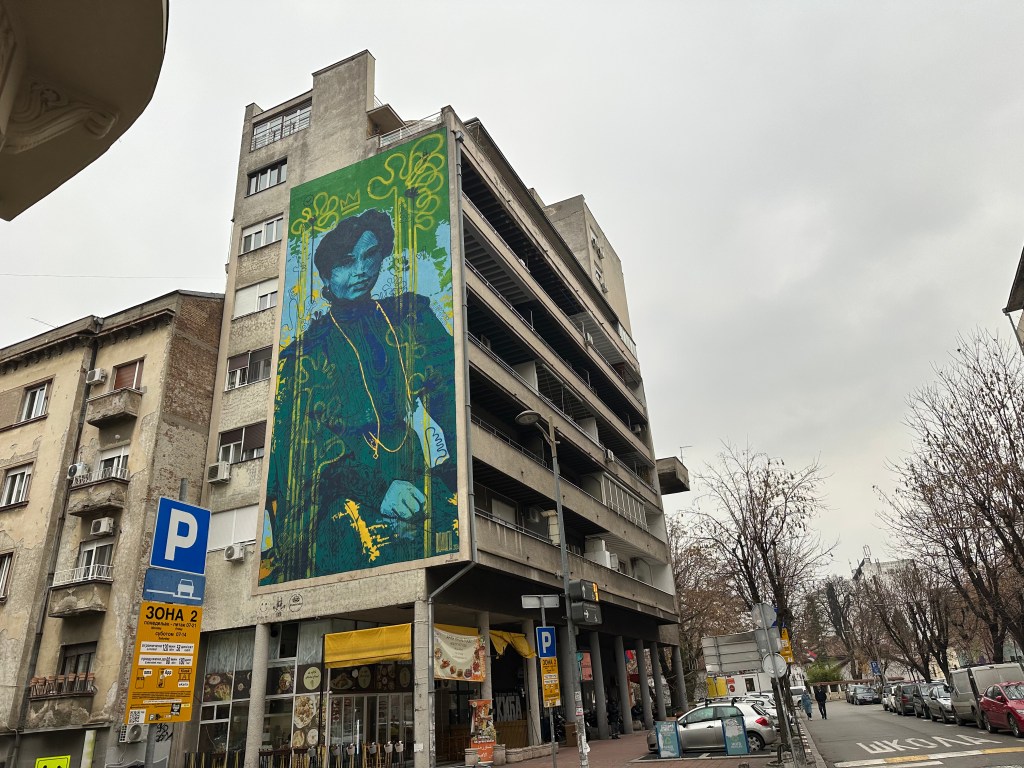
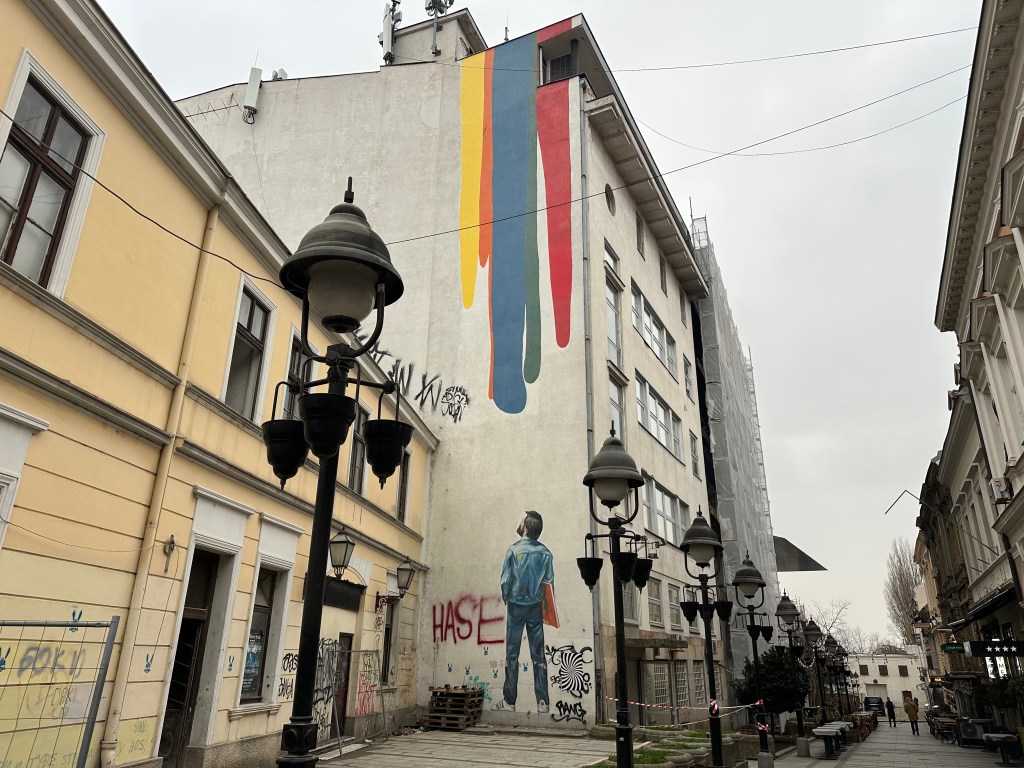
A few shots of Belgrade’s street art scene
Belgrade Fortress, also known as Kalemegdan (the name of the park situated on the grounds), is located along the riverbank, and was the site of the first known habitations in Belgrade – over 2000 years ago! Most of the old Fortress is free to access, and it is a fascinating spot to walk around, taking in the long history of the area. Located within the Fortress’s grounds are a number of museums, including the Military Museum, which houses a collection of weaponry ranging from medieval implements to remnants from the Balkan Wars of the 1990s. The museum itself is ticketed, but many of the larger items, including vehicles and large arms, can be found outside, and visited freely.
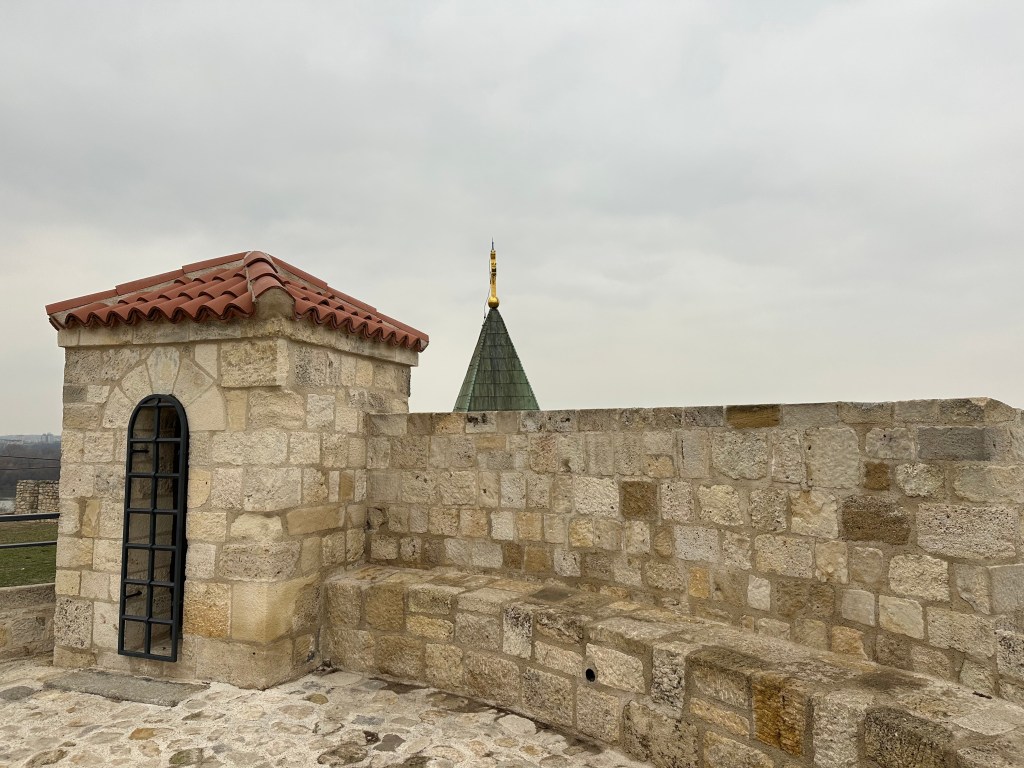
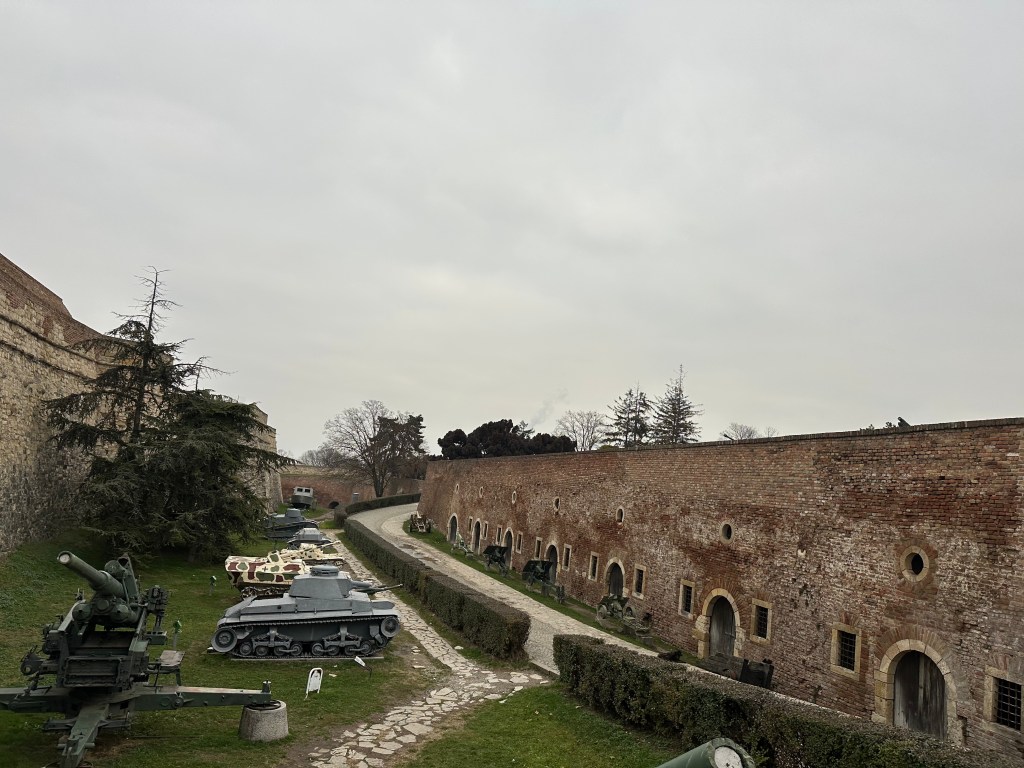
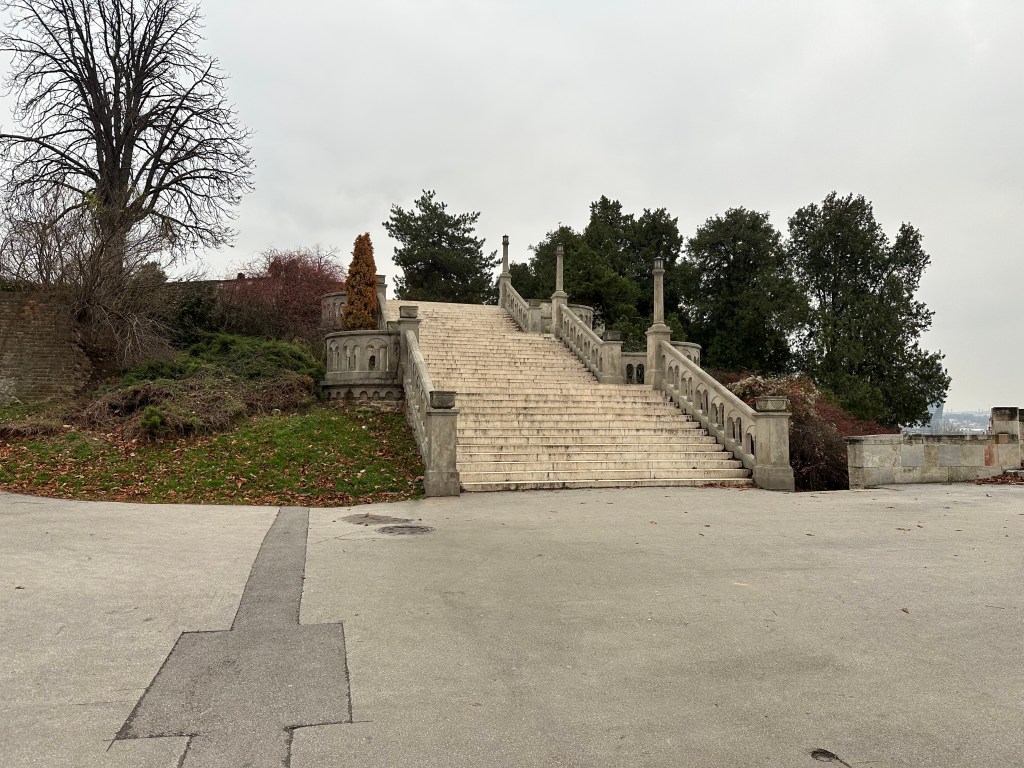
Belgrade Fortress, and some remnants from the Military Museum
That afternoon, we took a local bus across the river, to Zemun. Until 1934, it was a separate town, but was subsumed into the larger city as Belgrade expanded. It has a distinct atmosphere to that of Belgrade – it is a quieter, and has the feel of a small town still, which is in stark contrast to the hustle and bustle of Belgrade! We climbed up to the top of Gardos Hill, the site of the late-19th century Gardos Tower, as well as some fabulous views of Belgrade. Unfortunately, it was getting dark quite quickly, so we decided, after spending some time walking around the charming streets of Zemun, to head back to the city for the evening.
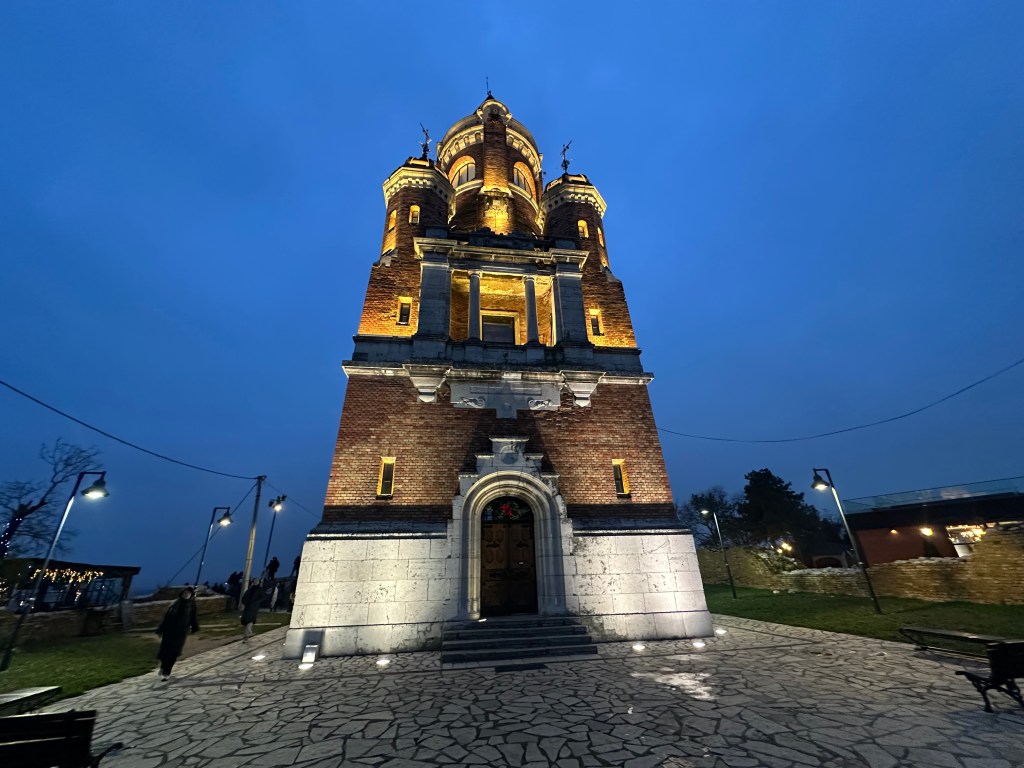

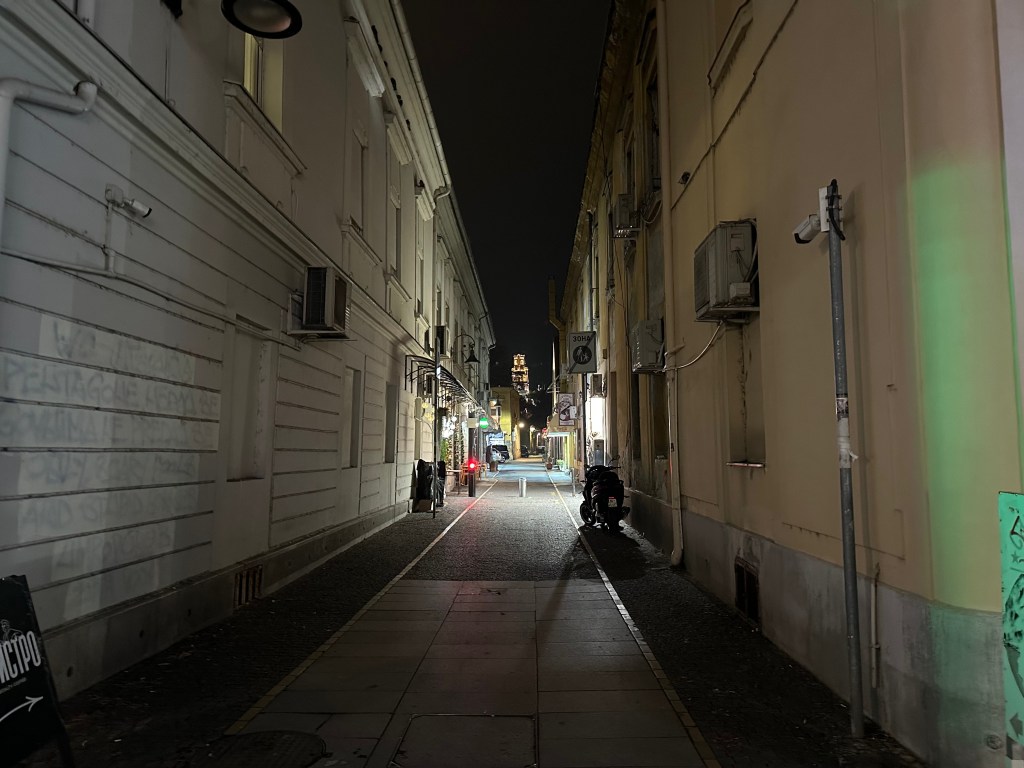

Some pictures from Zemun
We ended our last night in Serbia by eating at a Sri Lankan restaurant – there is only so much cevapi one can eat, and we were overdue for some ‘other’ food! Belgrade certainly lived up to expectations – I’d definitely recommend it to any traveller coming through the Balkans, looking for that ‘big city’ feel!
 Global Wanderer
Leave a comment