

1/12/24 – 3/12/24
Chop Railway Station, on Ukraine’s western border, sits a few hundred metres from both Slovakia and Hungary, the current eastern frontier of the European Union. Despite the small size of the town, Chop’s station was full of people, all heading west into the rest of Europe. As a border post, the station was equipped with border controls, an immigration and customs area, where you ‘exit’ Ukraine before travelling onwards – but because Chop also serves a large domestic network, the station platforms ‘swing’ between domestic and international.
Once we were stamped out of Ukraine – after realising the queue wasn’t moving because immigration weren’t letting through people who were booked on the next train to Hungary – we waited with a few other people in a room behind a double-locked door, watching the domestic train passengers disembark. Once the platform was completely clear (at this point, 20 minutes after we were supposed to depart), the door was unlocked – by two immigration officials on either side of the door, with an enormous key – and we were free to board our Slovakian Railways train.
For an international journey, albeit one of just a few hours, the train seemed small, as if it was designed for a suburban commute. There was limited space in the luggage racks, and the train was completely packed with people, boxes, bags, and coats. When we crossed into Slovakia a few moments later, this would prove problematic, as immigration officials checked and stamped the passports of everyone on the train, followed by customs officials who searched every single item of luggage.
My passport faced the same scrutiny as it had in Poland, and I was starting to think there might be something wrong with it (I was told it wouldn’t scan correctly, by the Slovakian border guard). After joking with the extremely pleasant border guard about the upcoming Premier League match between Liverpool and Man City (the guard had noticed my Dad’s birthplace as Liverpool), I sheepishly offered up my British passport as an alternative. This worked a charm, and whilst the customs officials continued their searches – on a train with zero available space – we listened in to the match commentary on BBC Radio, the family sat opposite us laughing when we jumped as Mo Salah scored the opener.
We eventually made it to Kosice, and with the railway station located right in the city centre, it was only a short walk to our accommodation for the next two nights, the Horse Inn (easy to find, as it is located right next to a large statue of a horse!).
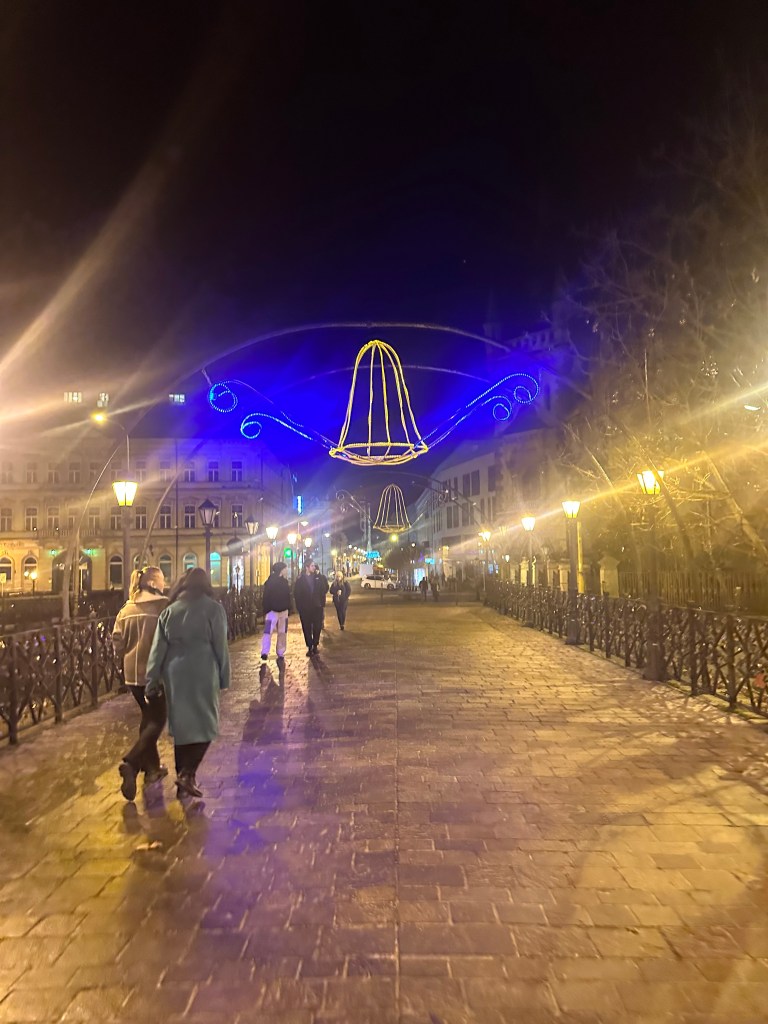
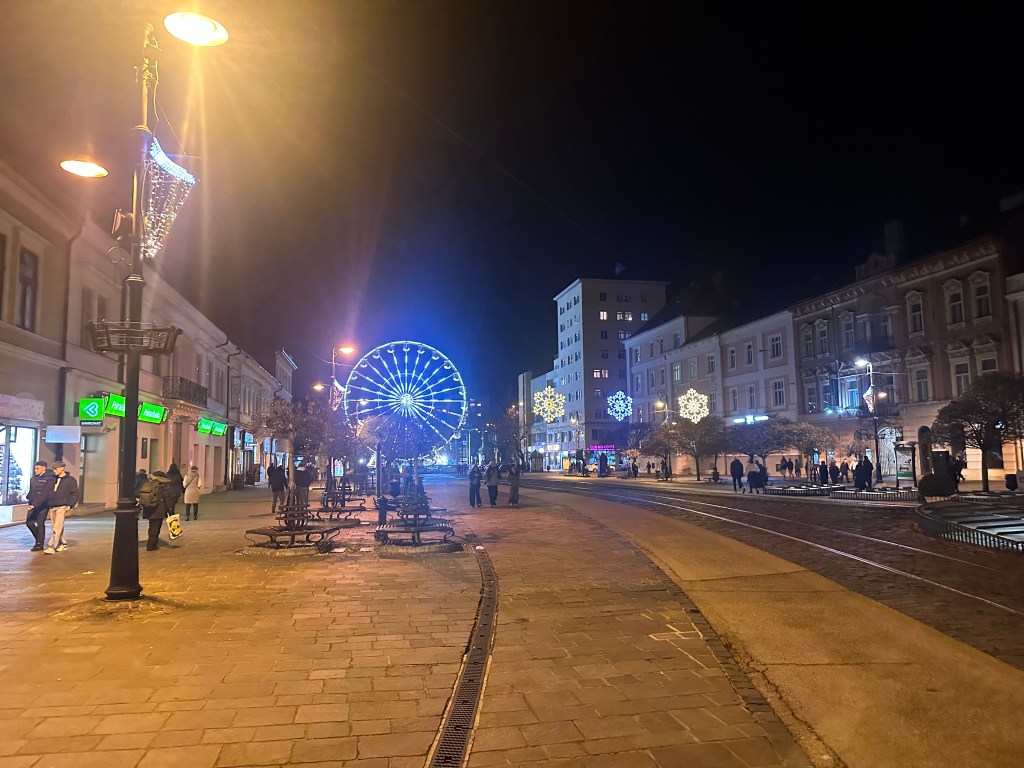
First views of Kosice!
Dinner that night was at a burger bar called Belly Button, that doubled as a board games venue in Kosice – such a cool idea! It is definitely the first time that I’ve seen Scrabble in Slovakian!
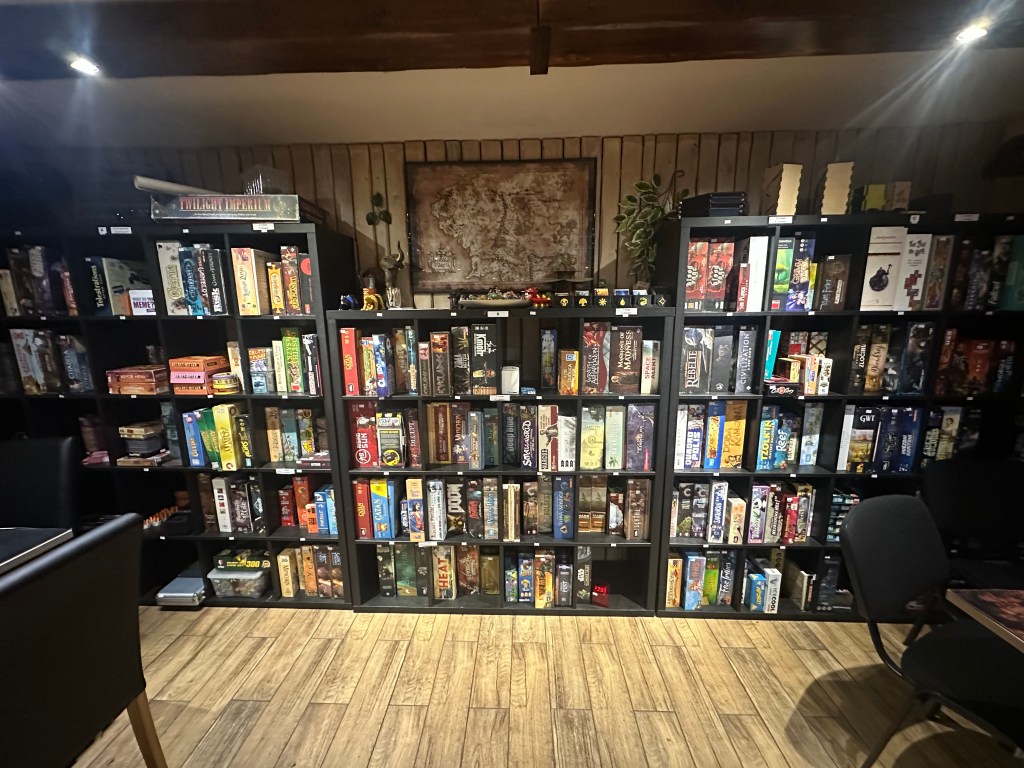
The enormous array of board games to choose from at Belly Button!
The next morning, we headed out for our first day of exploration in Kosice. Being in the far eastern reaches of Slovakia, Kosice doesn’t get as many tourists as it deserves, in my opinion – it is a fascinating city. Despite being a part of the former Czechoslovakia for many years, perhaps because of its location far east of the Czech border, Kosice remained a bastion of Slovak cultural heritage, and the preserved buildings throughout the old town highlight its development over the years.
We wandered around the city centre for a while, getting a feel for the city, and checking out some of the interesting historical buildings, including a large, yellow, Art Nouveau building on a street corner, and the Cathedral of St Elizabeth, which takes up such a large area on the central city promenade that it’s as though the town was built around it.
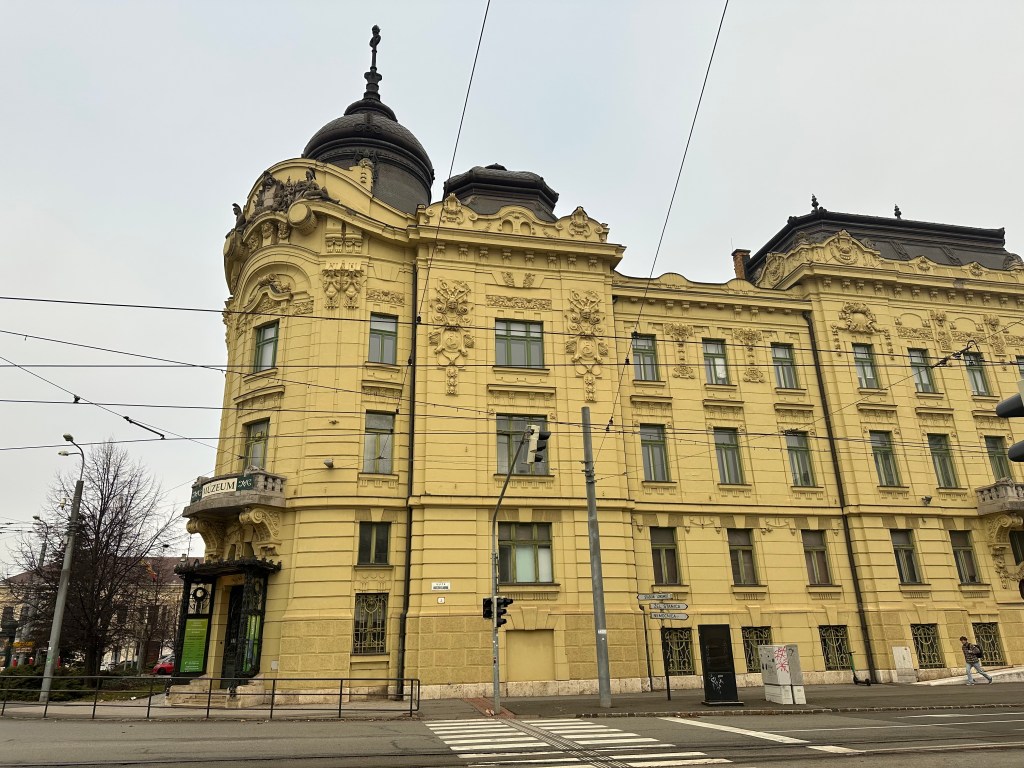


Some interesting buildings we came across, and the Cathedral of St Elizabeth, in the centre of Kosice
One particularly fascinating place that we came across was a cultural space that had taken over an old factory building – very much like Fabrika in Tbilisi! It seems to be a theme in many post-Soviet nations to convert warehouses and factories into cultural hubs – I think it is a wonderful idea!
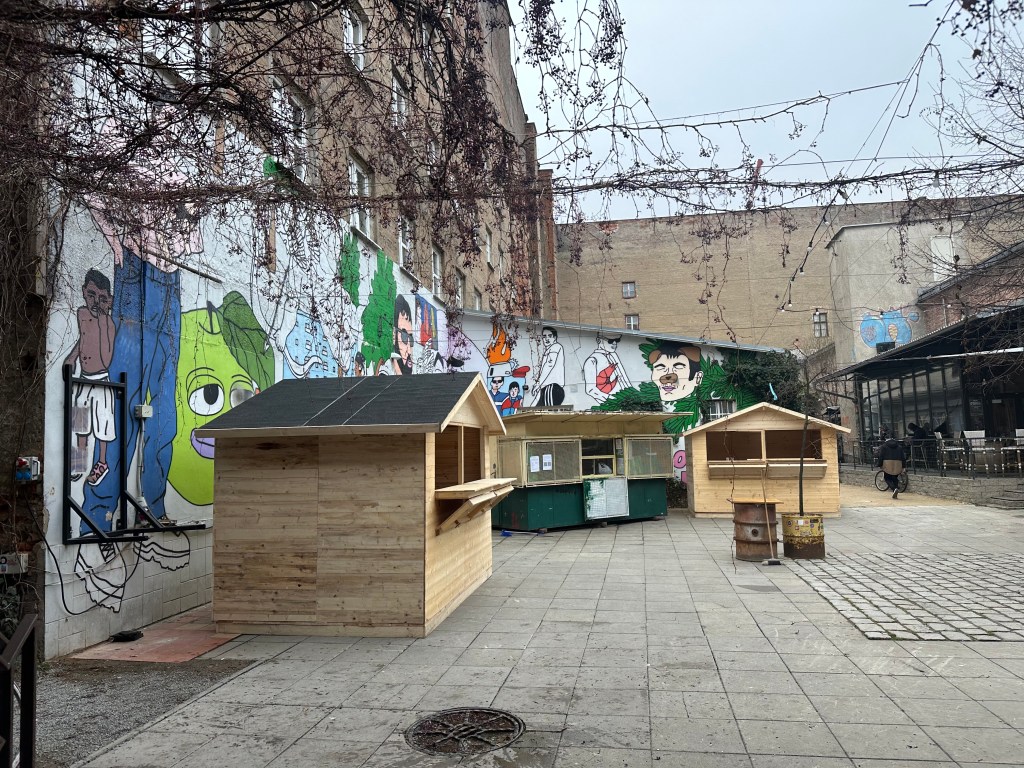


Street art at the cultural centre!
Back in the city centre, we decided to check out St Elizabeth’s a little more. St Elizabeth’s is actually the biggest church in Slovakia, and was completed in the 500s – it dominates the relatively small city centre!

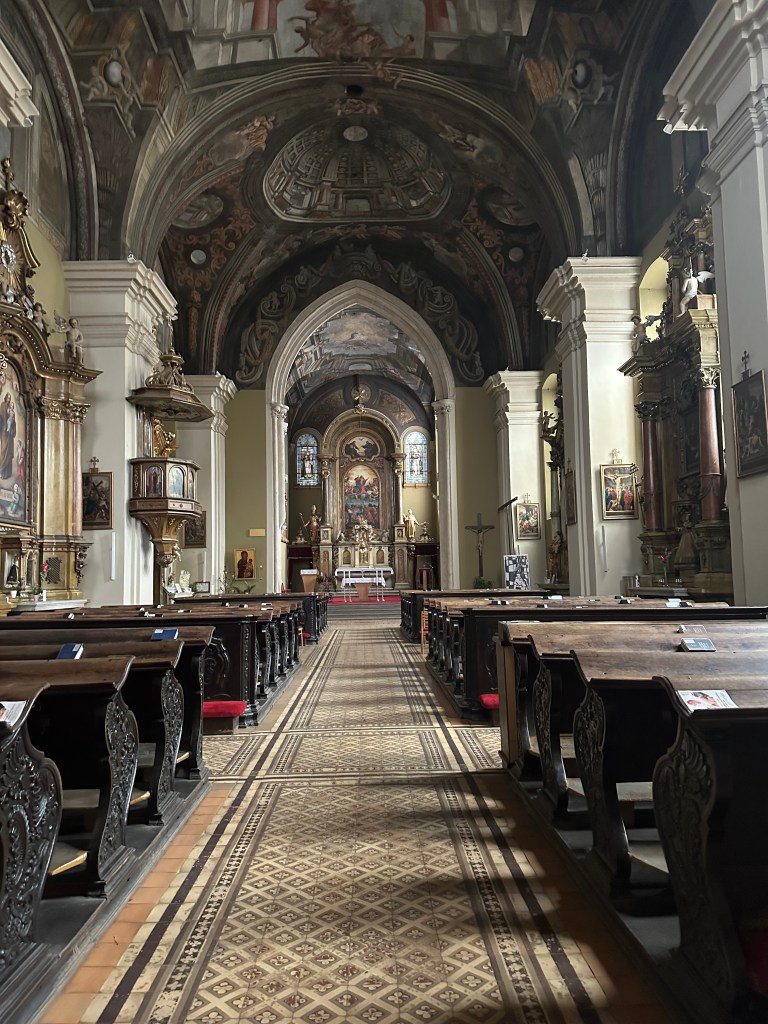
St Elizabeth’s and the interior of the cathedral
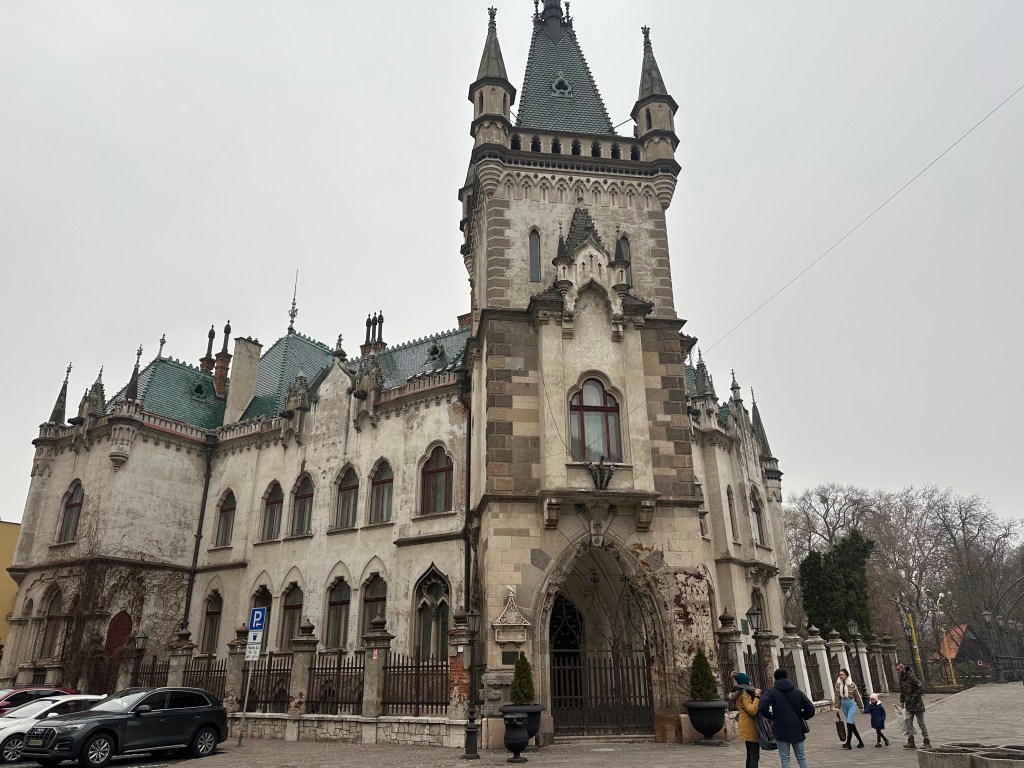
Another fascinating piece of architecture in Kosice is Jacab’s Palace. Peter Jakab, the architect, was apparently known for his strange and eclectic buildings, and the Palace is no exception. It was constructed in 1899, and is a neo-Gothic building that looks very much like a castle, despite its small size, and its major claim to fame is that for a short period of time, it was the residence of the Czechoslovak President, Edvard Beneš. It stands on a street corner in the old town, and is definitely one of the city’s most prominent buildings, in spite of its stature.
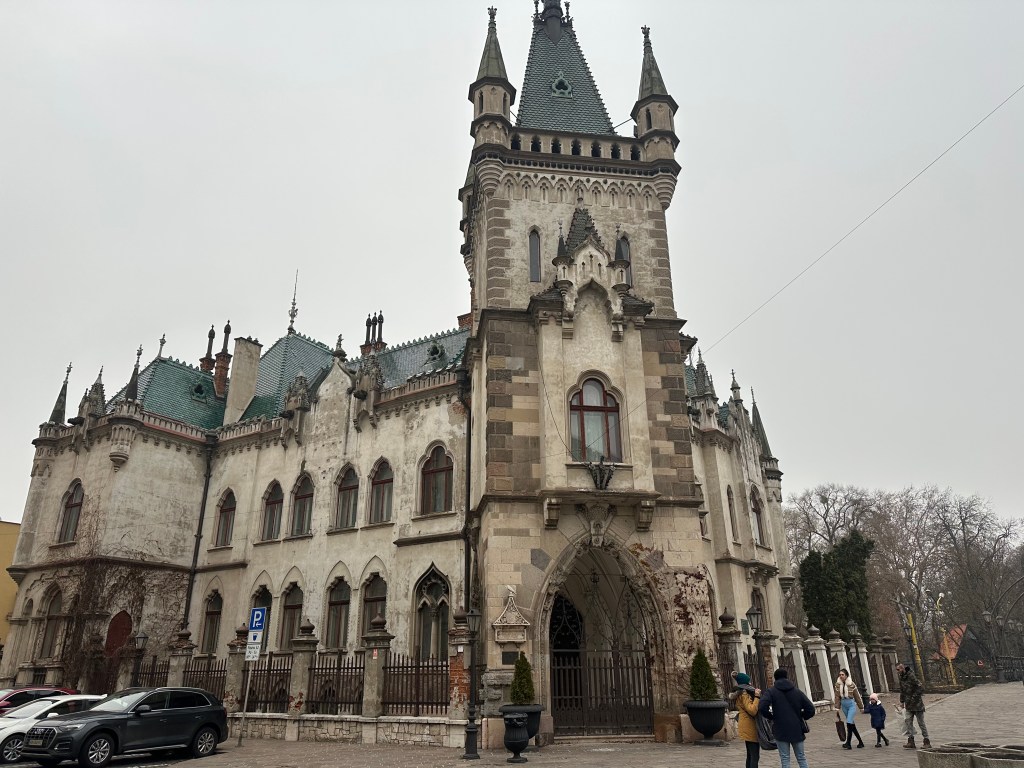
Jacab’s Palace, an architectural highlight in Kosice
As we walked outside the core of the city, we came across a number of interesting sights – including a war memorial to the Soviets that liberated Kosice during WWII, and a plague column we had somehow missed when walking past the cathedral.

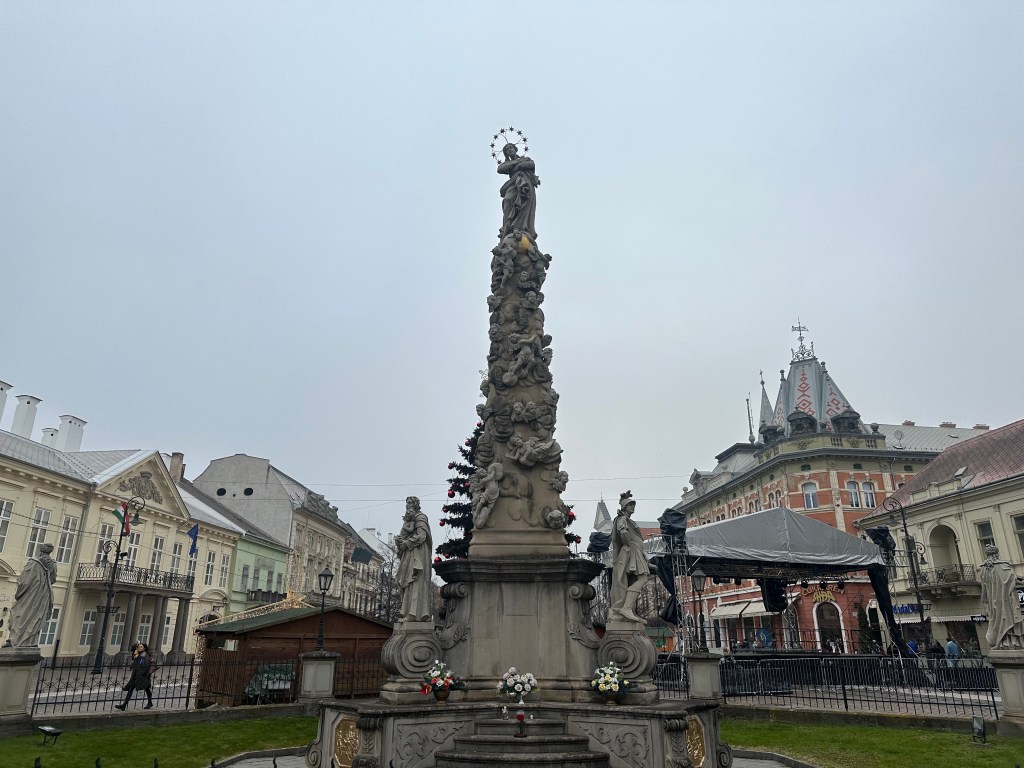
War memorial and plague column
Kosice was named a European Capital of Culture in 2013, and like many of its fellow culture capitals, there is plenty of street art to be found here. One particularly interesting example as the Warhol Shoes, a series of large shoe sculptures decorated in the style of Andy Warhol, dotted around the city.
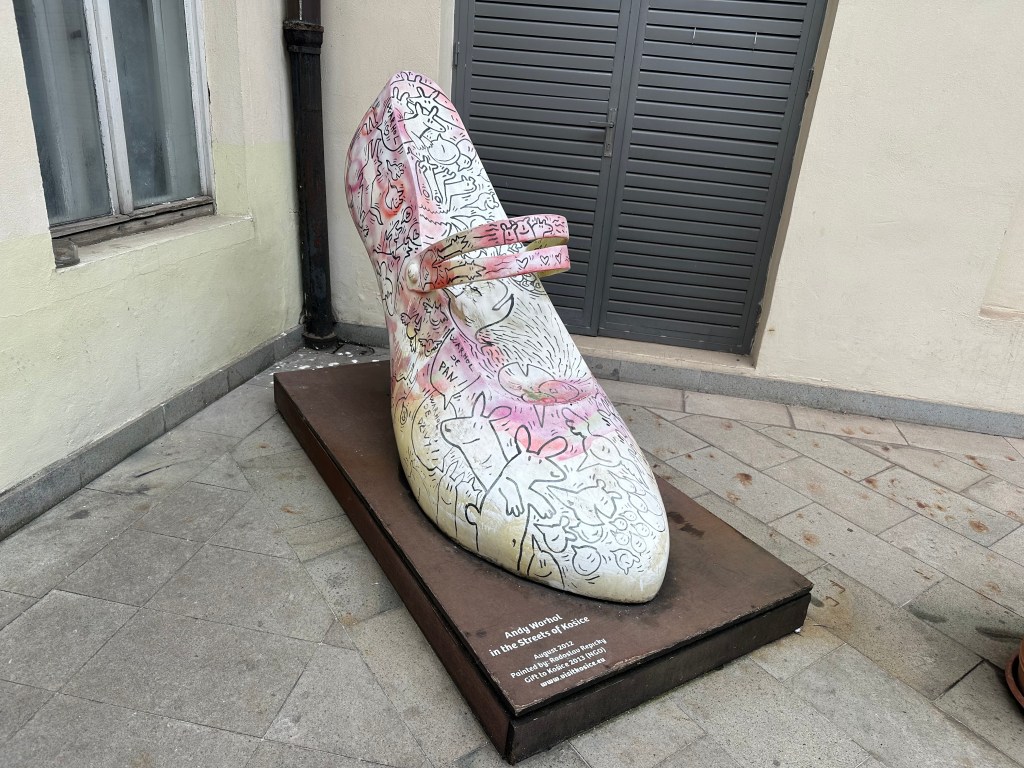
The ‘Andy Warhol in the Streets of Kosice’ street art exhibition
Two pieces we really wanted to check out were located outside of the city centre, in one of the residential districts. This was certainly interesting, as we had the chance to walk around a different part of Kosice and get a feel for the city’s residential areas. The street art around here definitely helps to liven up the rows of apartment blocks in the neighbourhood.

‘Men with sticks for legs’, a mural by two Polish artists
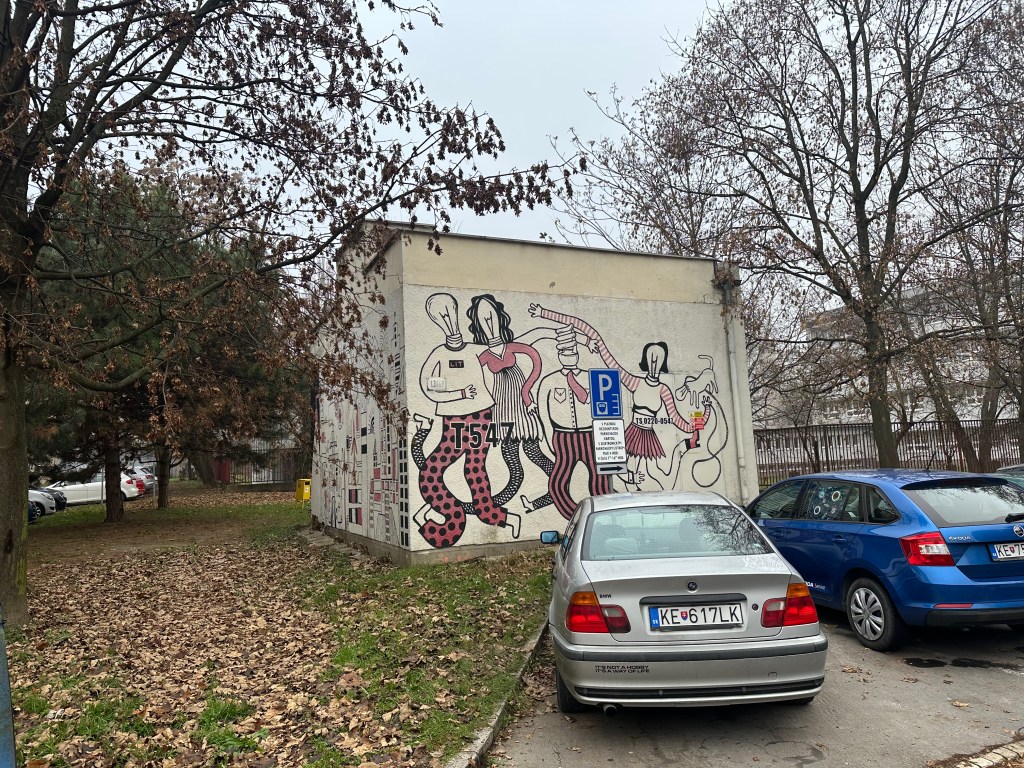
An unnamed piece of art in a carpark

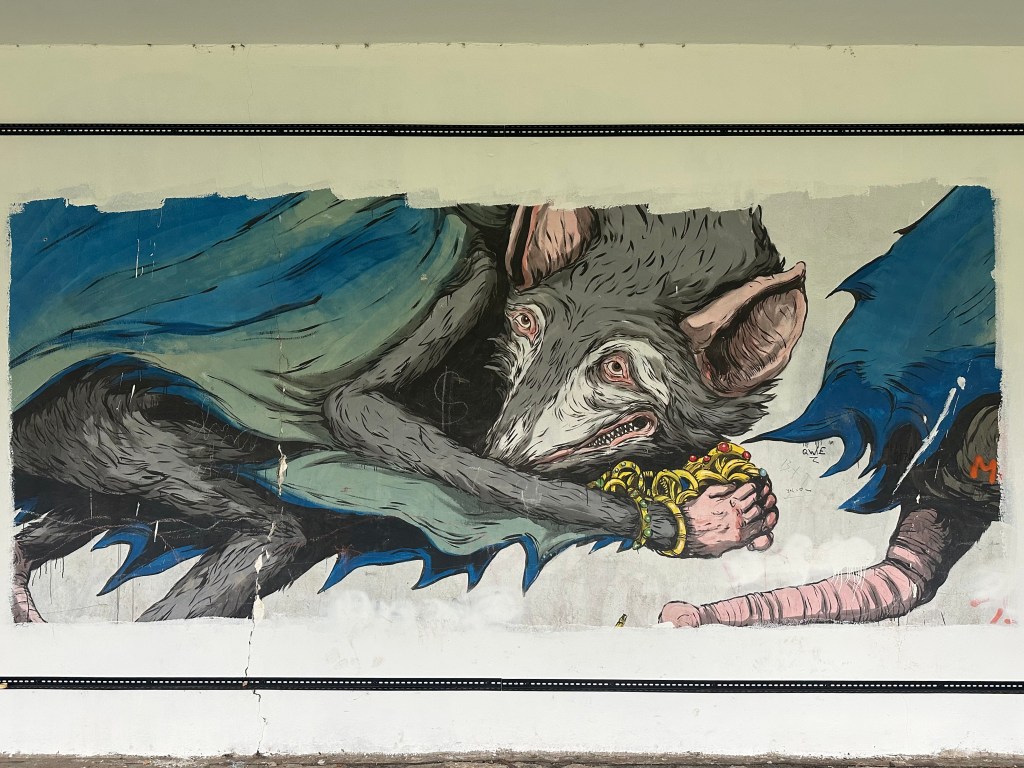
‘Rats collecting gold’, by Italian artist Erica Il Cane

Looking out over Lunik I, one of Kosice’s residential districts
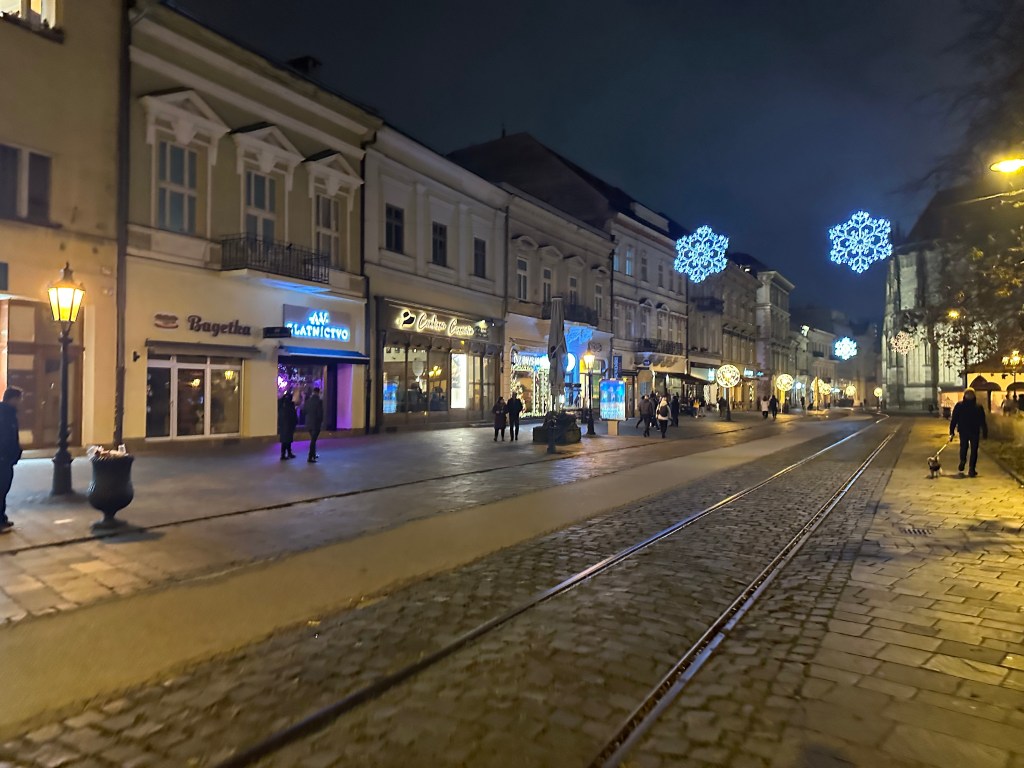
As we walked back into the city, the sun was beginning to set, and the Kosice Christmas market was ramping up. Unlike the markets in other cities in Europe (especially in Budapest), Kosice’s Christmas market seemed set up for locals – and the prices certainly reflected that! There was a main strip of stalls set up along the central thoroughfare leading to the cathedral, but in addition to that, in many of the city’s courtyards there were small market set-ups.


One of the small courtyard Christmas markets being set up

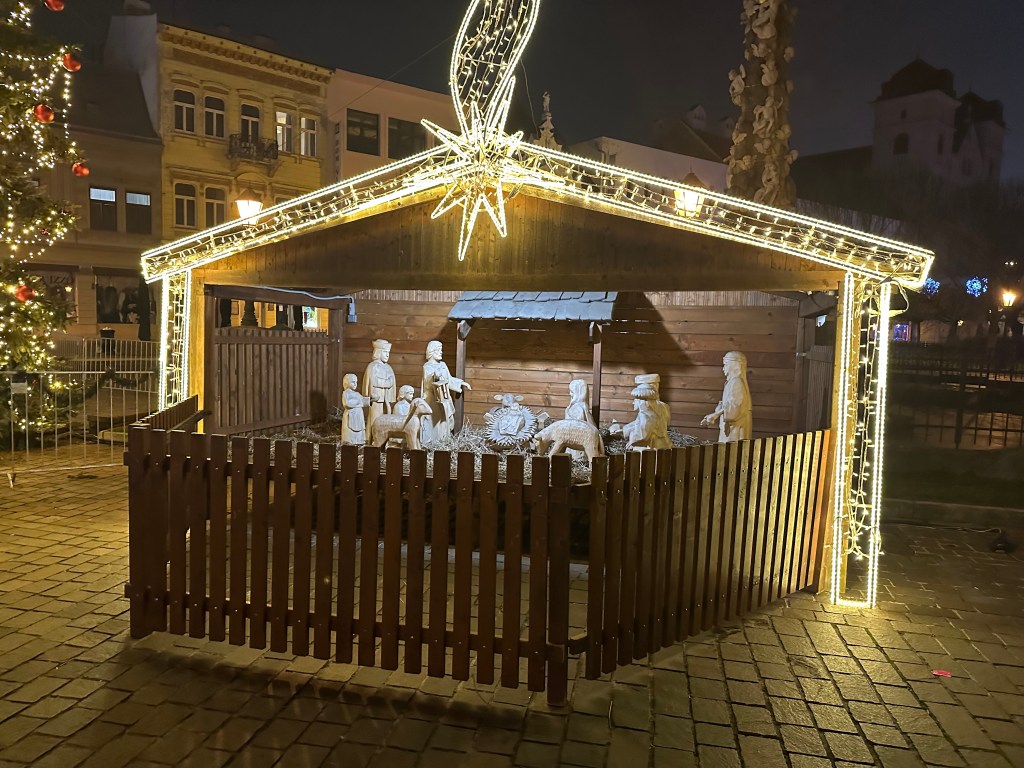
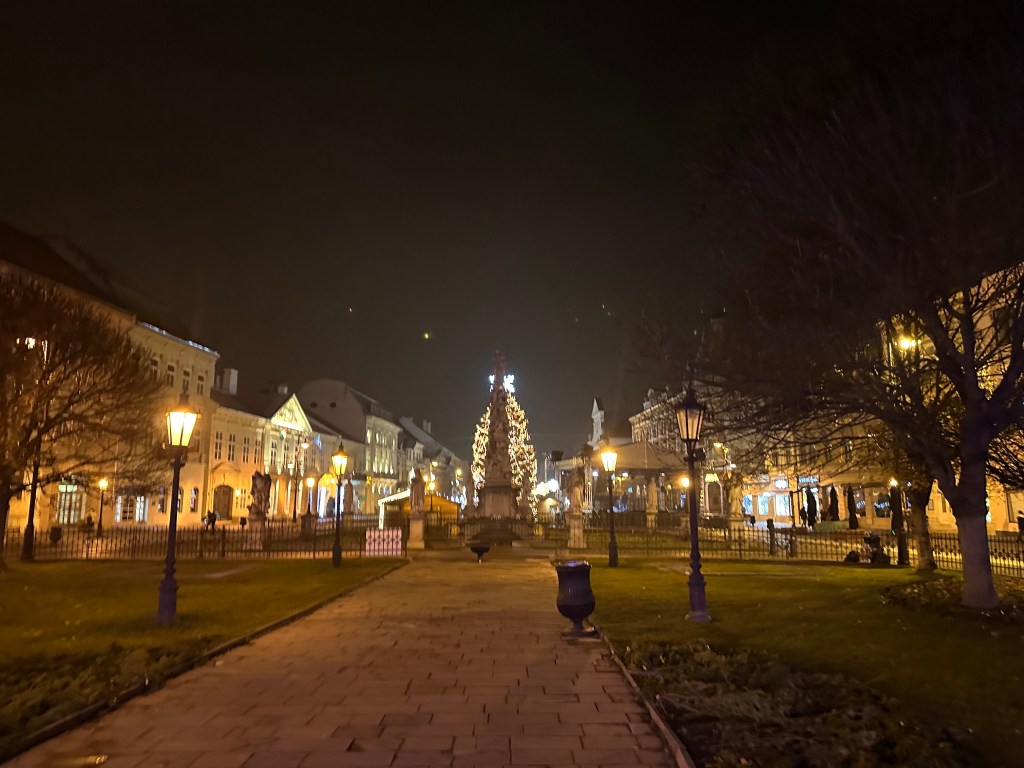
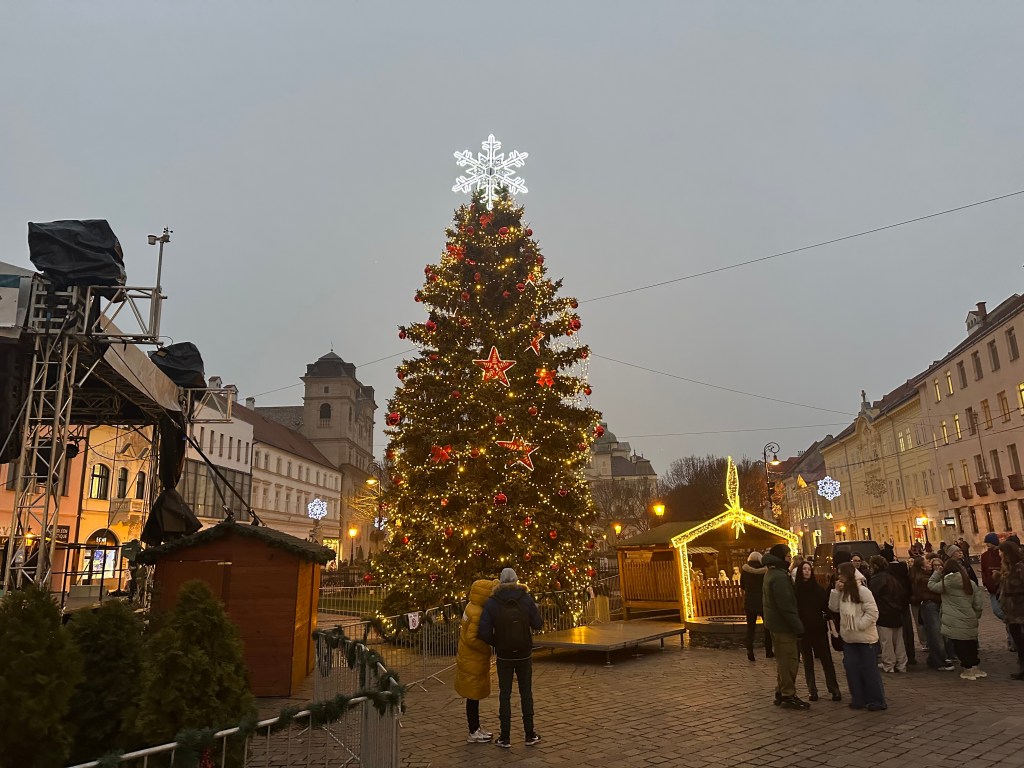
The markets on the central street heading up to the cathedral
That evening, after strolling through the markets, we made our way to a brewpub called Golem, the oldest continuing brewery in Kosice. Food and beer there were both fabulous – we discovered on the way out that the standard lager was an insane 11% ABV! As we walked out, the guy working there stopped us to say thank you for visiting the city – they don’t get a lot of tourists in the off-season! Definitely a cool place, and worth a visit!
We headed back to our accommodation for our last night in Slovakia. Kosice is an awesome city, one that I think is definitely underrated, and certainly worth visiting! Next morning though, we were off again, to the Hungarian capital of Budapest!
 Global Wanderer
Leave a comment