

25/11/24 – 26/11/24
After a fantastic two days in Vilnius, it was time to head to Lithuania’s second city – Kaunas! Selected as a European Capital of Culture in 2022, this city of around 400,000 people is the fourth-largest in the Baltic region, and is located just over an hour by train from Vilnius.
We took a morning train from the railway station in Vilnius – like the LTG Link train we had taken from Riga, it was clean, modern, and had fast, free Wi-Fi. Opposite us sat two Indian students who were studying aviation in Lithuania – we got talking to them because they overhead us discussing the Australia vs. India cricket match happening back in Perth!
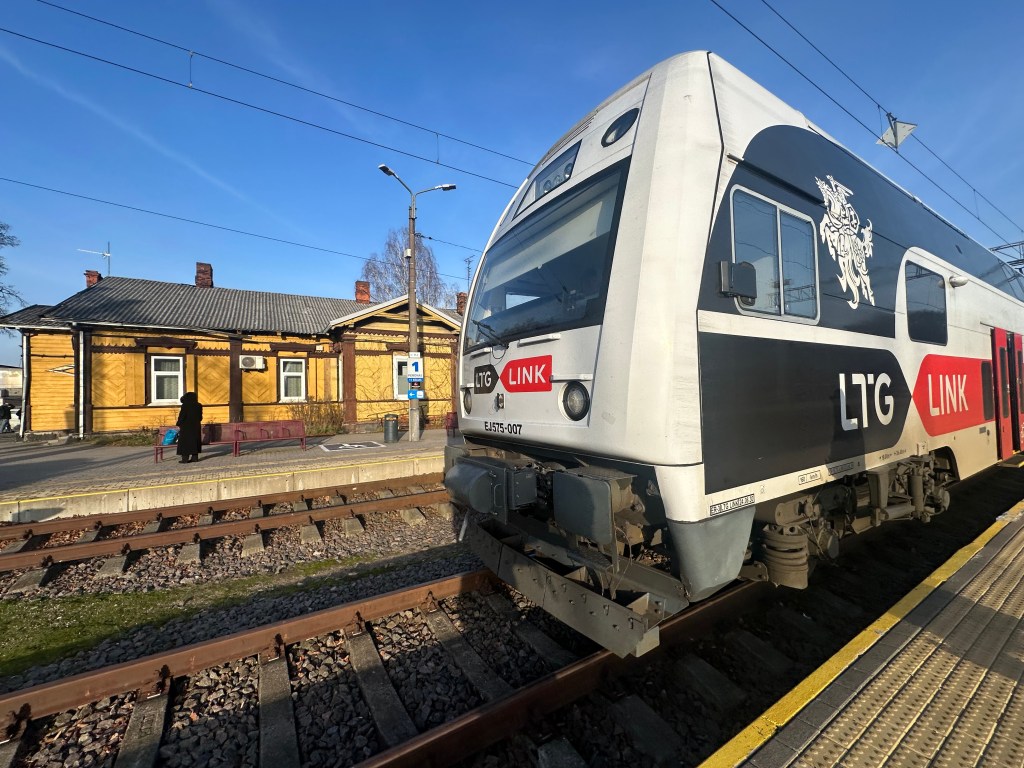
The LTG Link train between Vilnius and Kaunas
Kaunas Railway Station is located about a 30 minute walk away from the city centre – being relatively flat, this was not too difficult to navigate!
At the heart of Kaunas is Laisves Avenue, a 1.7km pedestrianised main street, one of the longest in Europe. The street’s eastern end is marked by the impressive church of St. Michael the Archangel – an enormous place of worship which completely disappears from view by the time you reach the other end of the avenue!
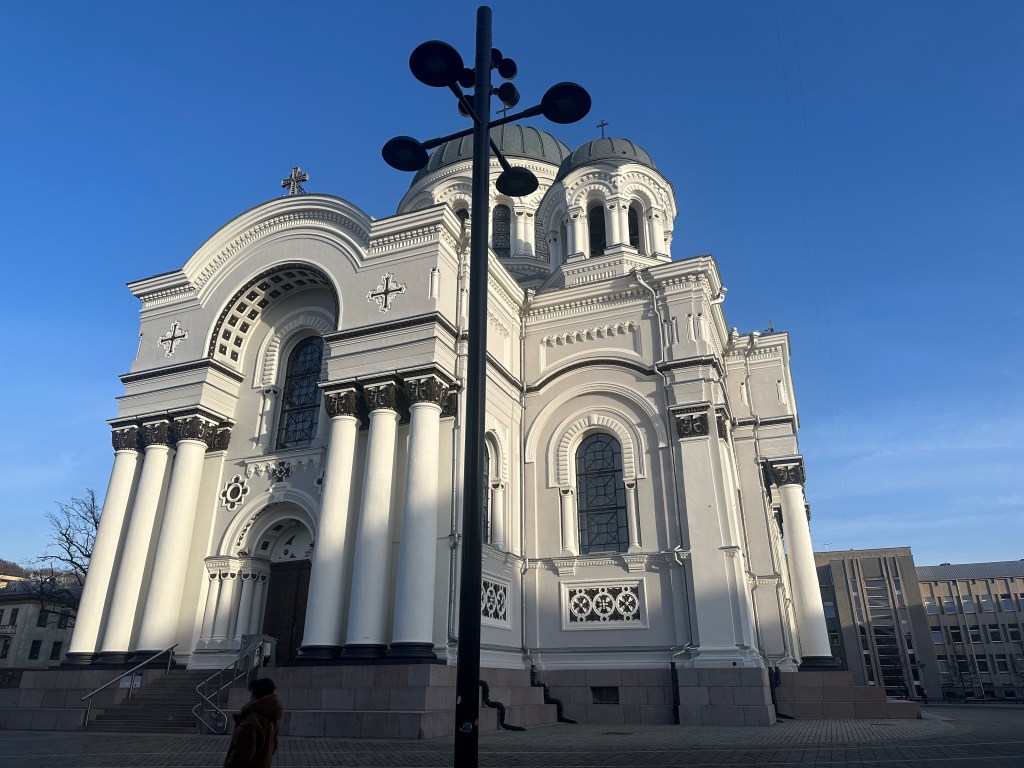
The church of St. Michael the Archangel
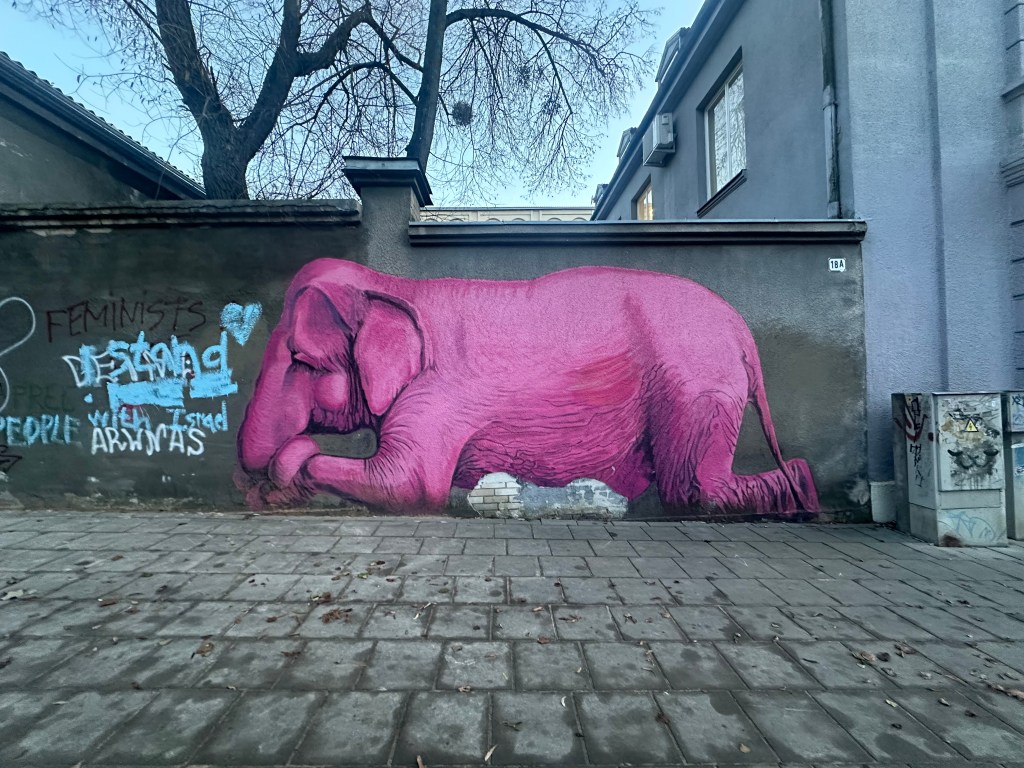
After dropping our bags off at our accommodation for the night – Kaunas City Hotel, located smack bang in the middle of the main street – we headed off out for some urban exploration. Kaunas has a LOT of street art – to the point where there is actually an awesome map available at the tourist office (and in some hotel receptions!), detailing the locations of some of the more famous pieces. Throughout the afternoon and evening, we sought out as many pieces of art as we could – safe to say, it would take a good few days to see EVERYTHING, as this city is full of art!


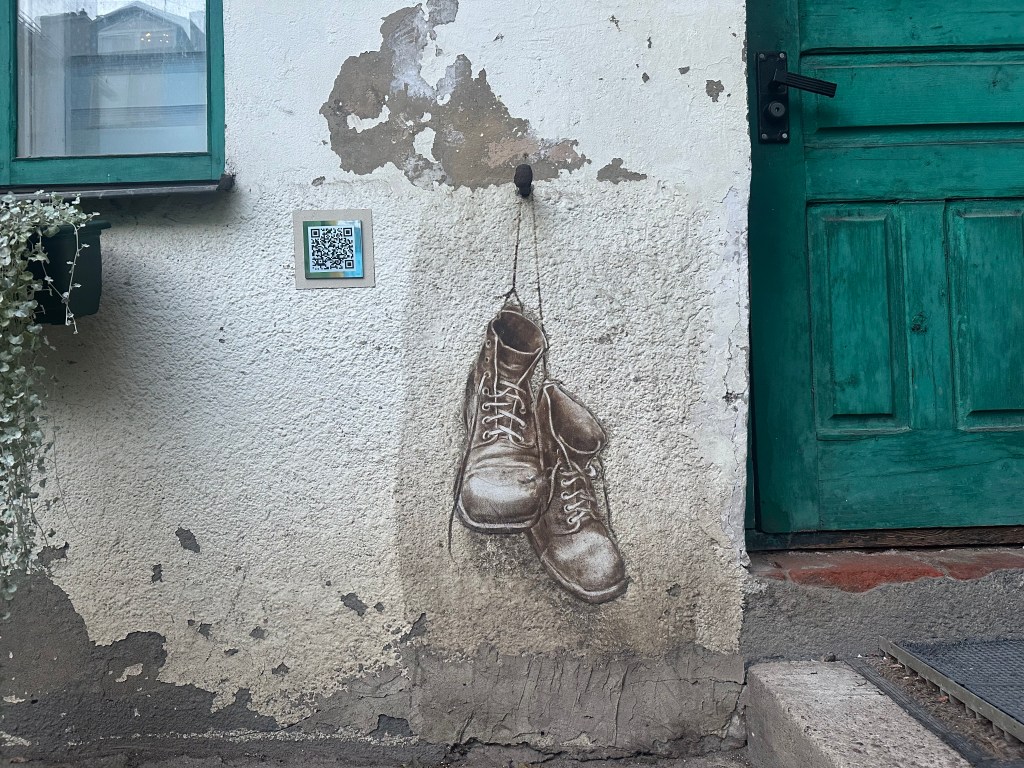

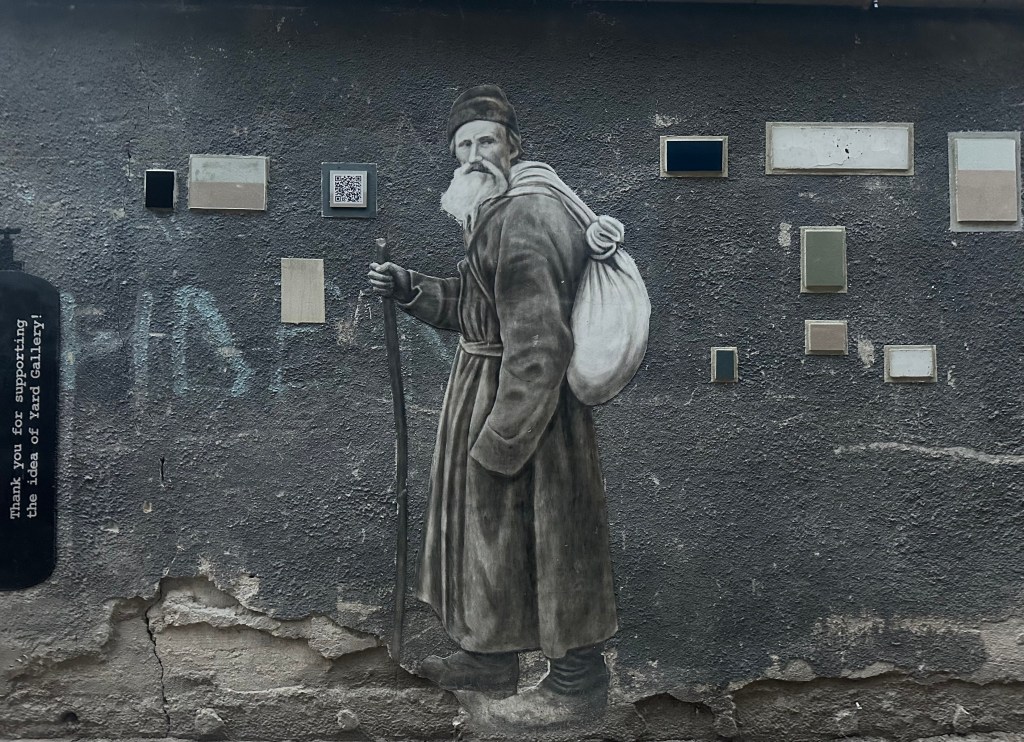

Some of my favourite shots from around the streets of Kaunas!
Visible from most parts of the city centre is the eerie abandoned Britanika Hotel – built in the Soviet era, intended as a luxury hotel, construction was halted upon the regime’s collapse, and despite several attempts, was never restarted. What is left is an enormous concrete legacy of Soviet rule in Lithuania – its only usage, aside from urban exploration, was during the Kaunas Architecture Festival, where it was officially ‘opened’ to the public. It certainly is an impressive sight!
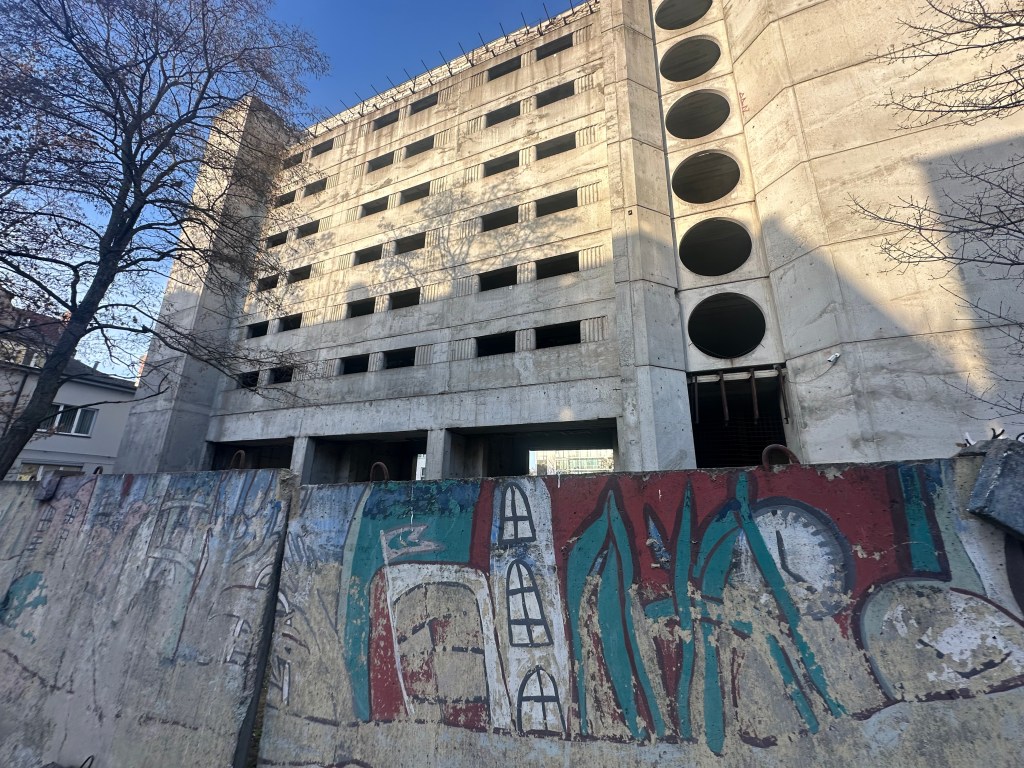


The abandoned Hotel Britanika
Kaunas is also home to a number of fascinating churches – including the Cathedral Basilica of St Peter and Paul, located in the city’s Old Town, and one of the most ornate Catholic churches I have ever been in.

The interior of the Cathedral Basilica of St Peter and Paul
The other major Catholic church in the city (around 77% of Lithuania’s population identify as Catholic) dominates the skyline – the Christ’s Resurrection Church. Located on the top of a hill in the north of the city centre, it has an unusual design, and is incredibly imposing!

Christ’s Resurrection Church, Kaunas
As the sun set on the city, we headed down from the hill on which the Resurrection Church is perched, and walked toward the town centre, where the Christmas tree had just been lit up. The square was packed full of locals coming to check out the tree – and the entire city was beautifully lit up with Christmas lights and decorations. It really was a pretty sight, and it was great to see so many people out and about!

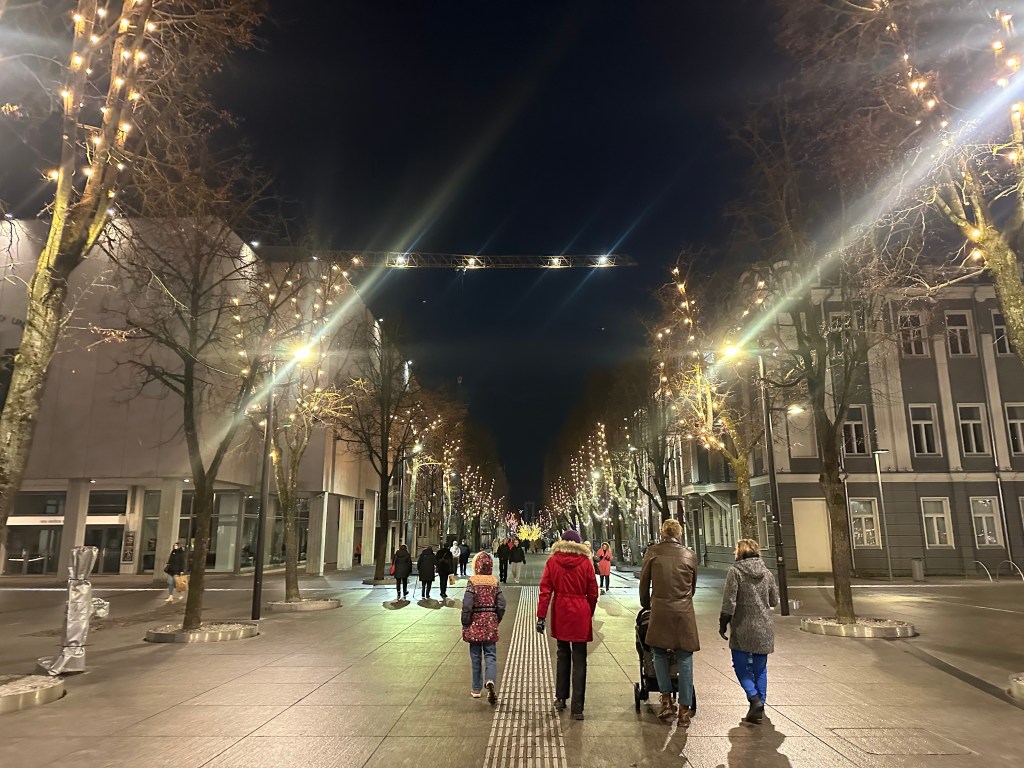
Kaunas’s Christmas decorations!
Our dinner that night was at a Lithuanian restaurant called Berneliu Smukle, located close to St Michael’s Church at the end of Laisves Avenue. Despite being quiet when we arrived, the restaurant quickly began to fill up with people, and we were served up some deliciously filling Zeppelins!
We were only staying in Kaunas for the night, but our train to Warsaw wasn’t until the afternoon, leaving us with another half-day to spend in Kaunas. Prior to leaving on this trip, we’d read about a quirky museum located in the city – the Devils’ Museum – the only museum in the world dedicated to representations of the Devil, and we decided we had to visit! The museum itself was fascinating, not only showing an immense collection of statues, icons, paintings, and sculptures of the devil, but highlighting traditional Lithuanian folk stories, and their relationship to the devil. I actually learned quite a bit about Lithuania’s history! Our visit happened to coincide with that of a local primary school, the students of whom seemed fascinated with the stories being told!
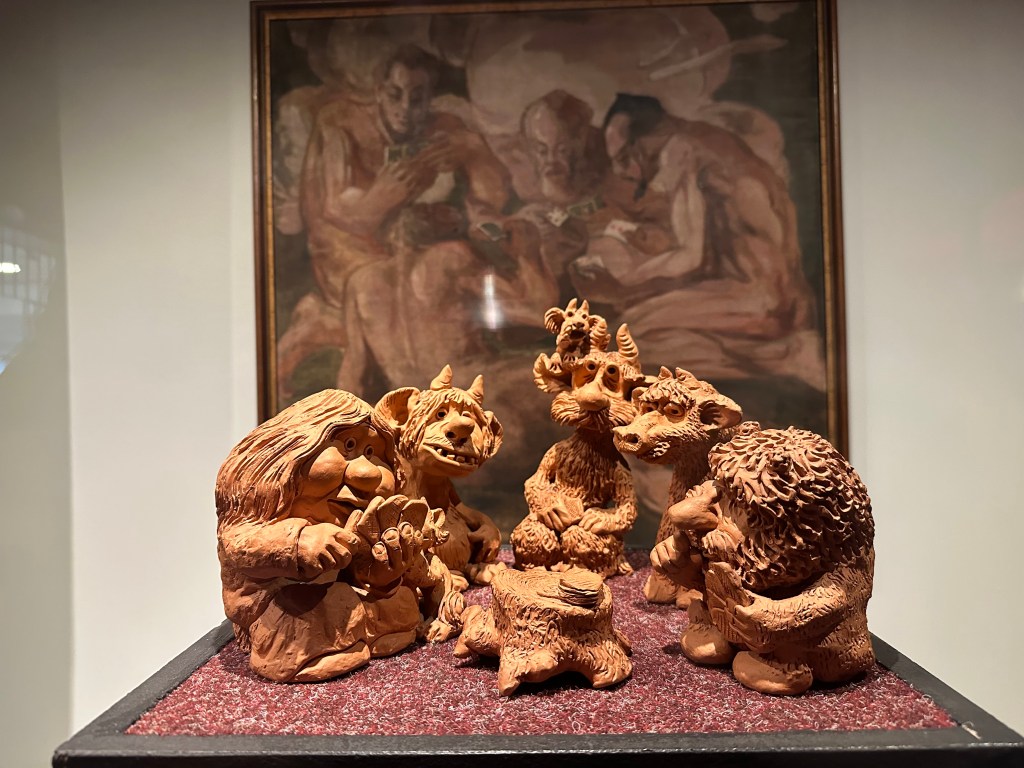


The Devils’ Museum is incredibly quirky, and definitely worth a visit if you’re in Kaunas!
After spending a solid two hours in the museum, we picked up our bags and began a slow journey back towards the train station, stopping along the way to snap some photos of more impressive street art (this really is a highlight in Kaunas!).

Finally, we made it to the station, with a bit of time to spare. Our adventure in the Baltic was coming to an end, but the trip was far from over – next stop, Warsaw!
 Global Wanderer
Leave a comment