


5/2/23 – 8/2/23
I departed from the old Siem Reap International Airport (since been replaced by Siem Reap-Angkor Airport) on a Bangkok Airways ATR-72, bound for Bangkok. Siem Reap didn’t, at least at the time of my visit, have any direct connections with its northern neighbour, Laos, and so I needed to route through Bangkok to get there. Luckily, I only had a few hours to kill in Bangkok Airport before my next flight, Thai Airways to Vientiane!

Off we go!
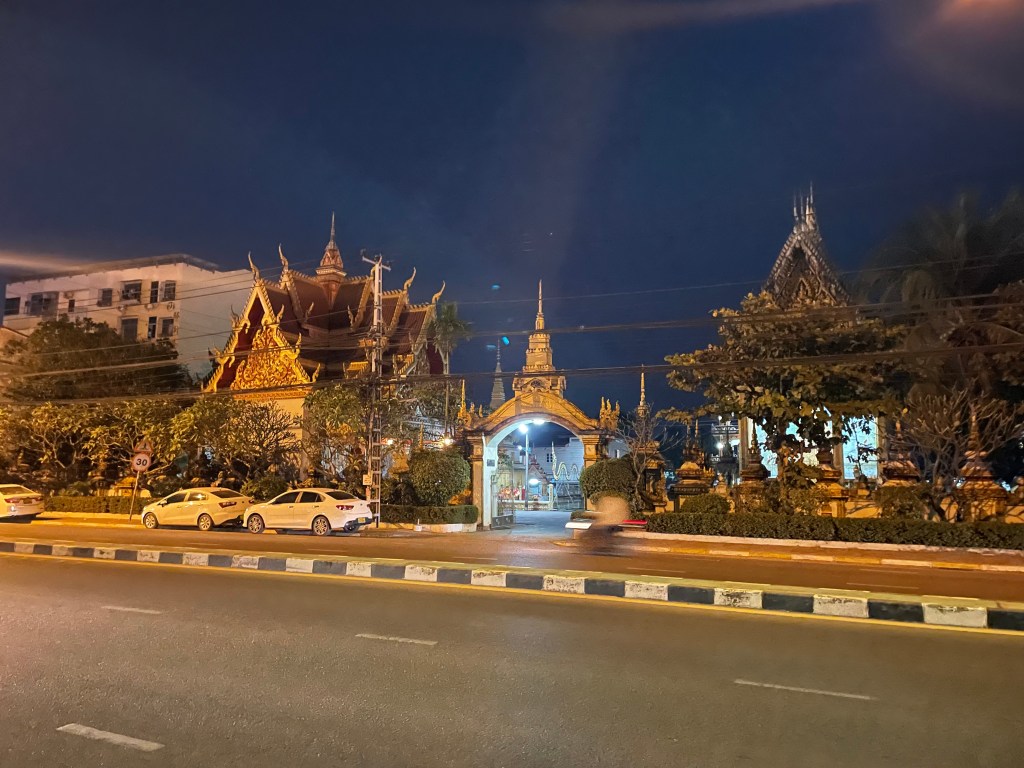
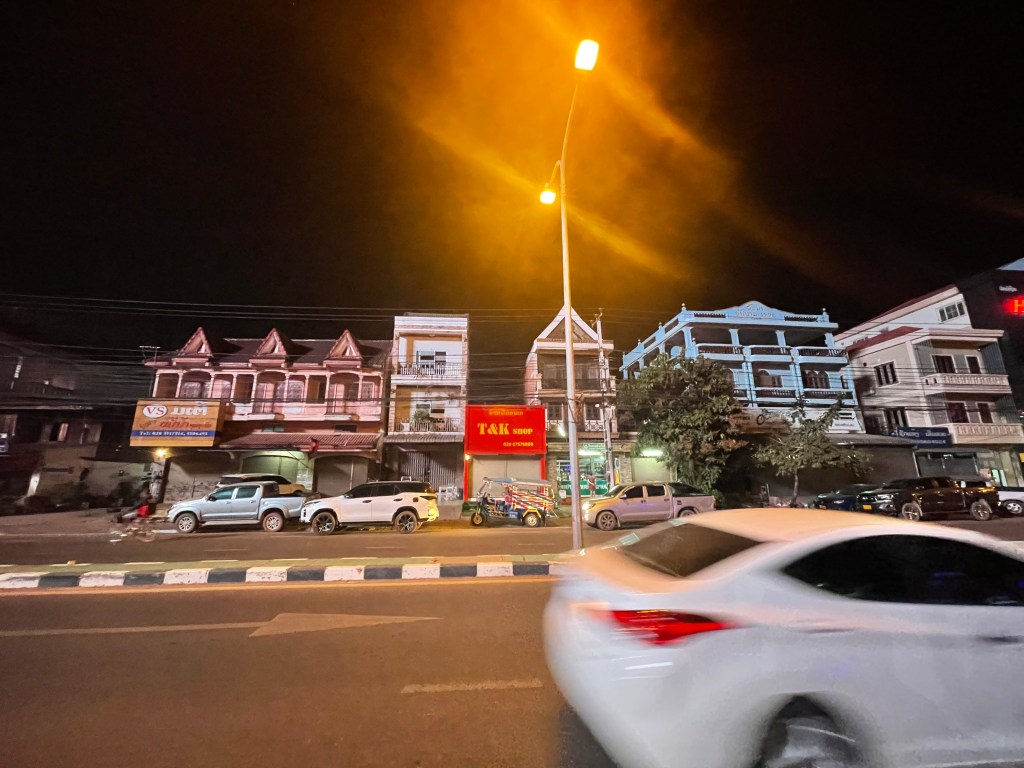
Once I’d finally made it through immigration (where the border guard politely asked me where I wanted her to put the visa sticker, to save space in my passport), I stepped out into the Laotian capital. Most visitors to Laos go north to Luang Prabang, the ancient capital, and those going off the beaten track head further north to the town of Vang Vieng. I, however, wanted to check out Vientiane, the former seat of colonial power in Laos, and now the country’s capital. Its historical position has led to a strange mixup of architecture within the city, from colonial French buildings to traditional Buddhist stupas. My accommodation was only a 90 minute walk from the airport, and so being me, and even though it was already 8:30pm, I decided to use my legs.
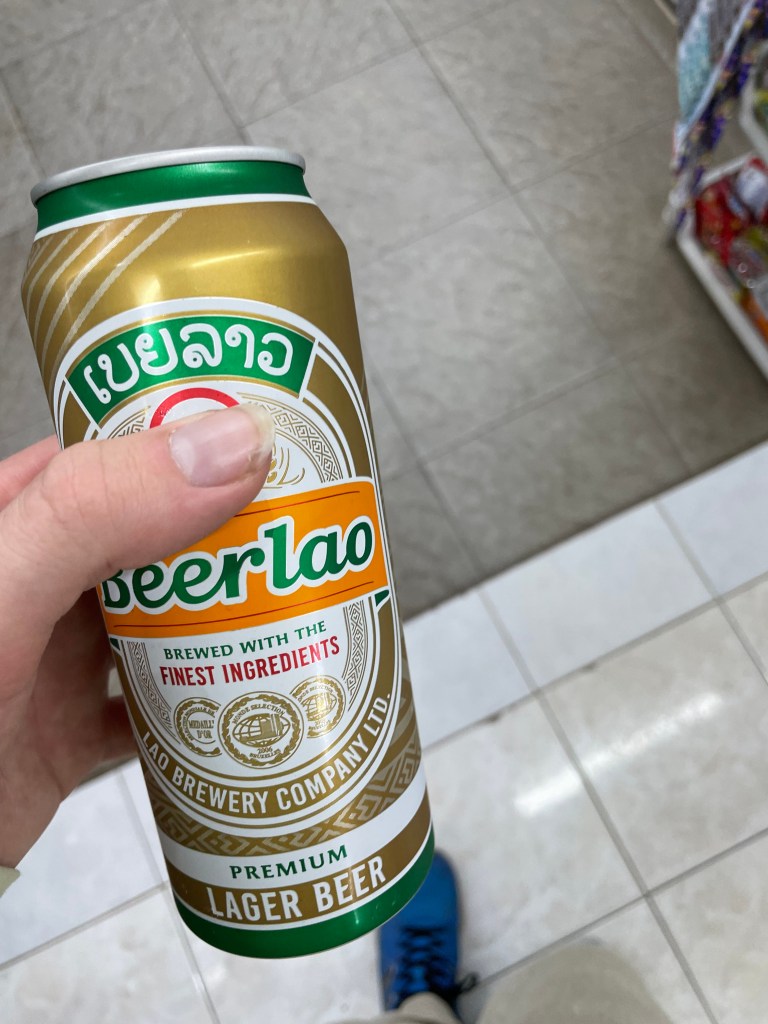
I made sure to stop along the way at a convenience store, to buy a can of BeerLao lager, possibly the country’s greatest export. The Lao Brewing Company is the national brewer (50% government owned, and 50% owned by Carlsberg, strangely enough), and apparently BeerLao has about 99% of the market share. I must admit, it was a nice beer!
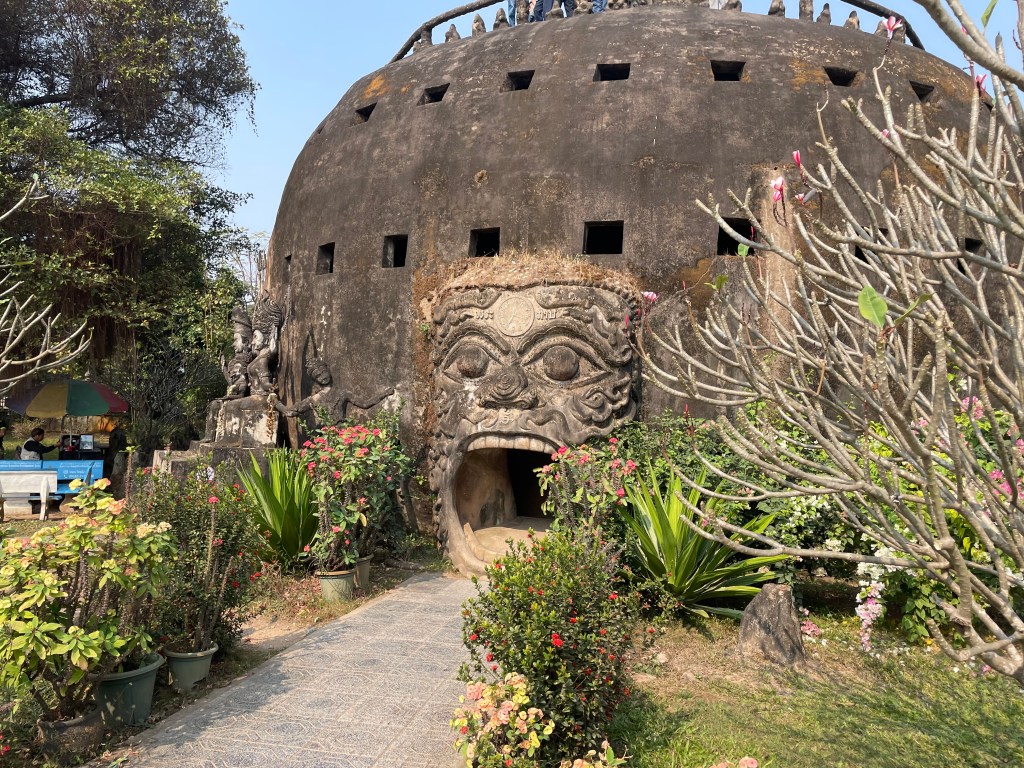
The next morning, I headed out early to the nearby bus stop, and made my way south of the city to a place known as Buddha Park (Xieng Khuan) – the strange home of hundreds and hundreds of Hindu and Buddhist statues. Buddha Park is located on the banks of the Mekong River, which forms a natural border between Thailand and Laos – so close that my phone kept picking up Thai signals (something which also happened at the airport!).

On the local bus to Xieng Khuan
The park itself was started in 1958 by a Laotian shaman who wanted to combine aspects of Buddhism with Hinduism. He fled the country after the Communist takeover in 1975, and strangely, built another sculpture park on the Thai side of the Mekong, directly opposition the Laotian original. I think the draw of Buddha Park seems to be the utter weirdness of the place – you can probably see in the photos!
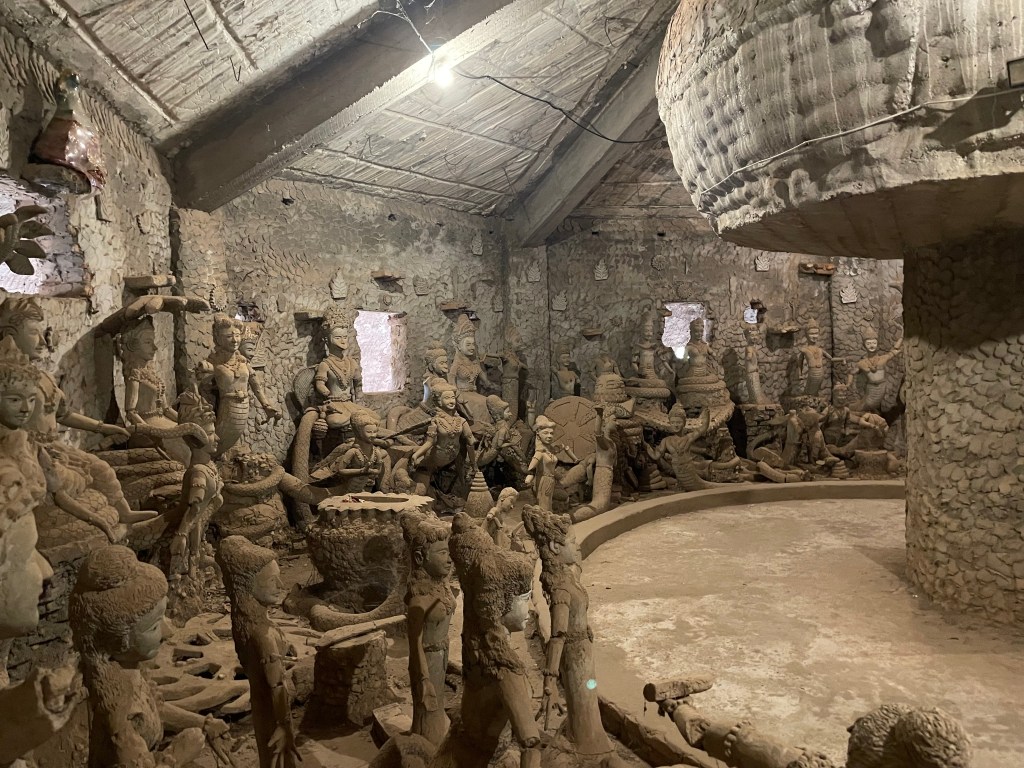
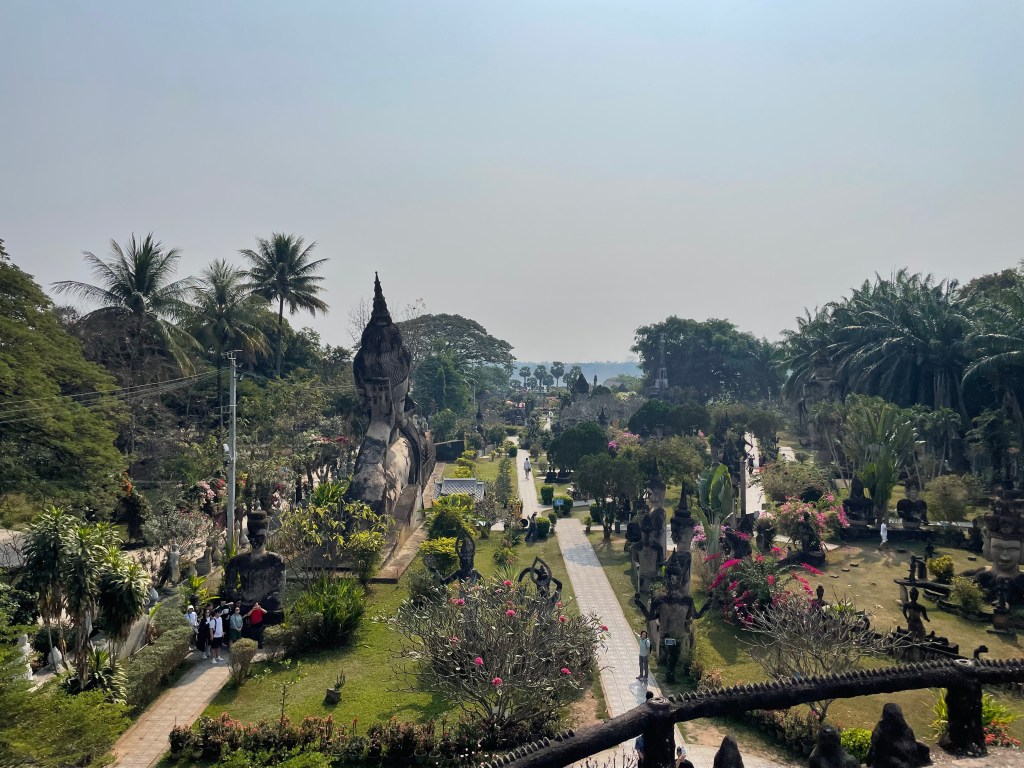
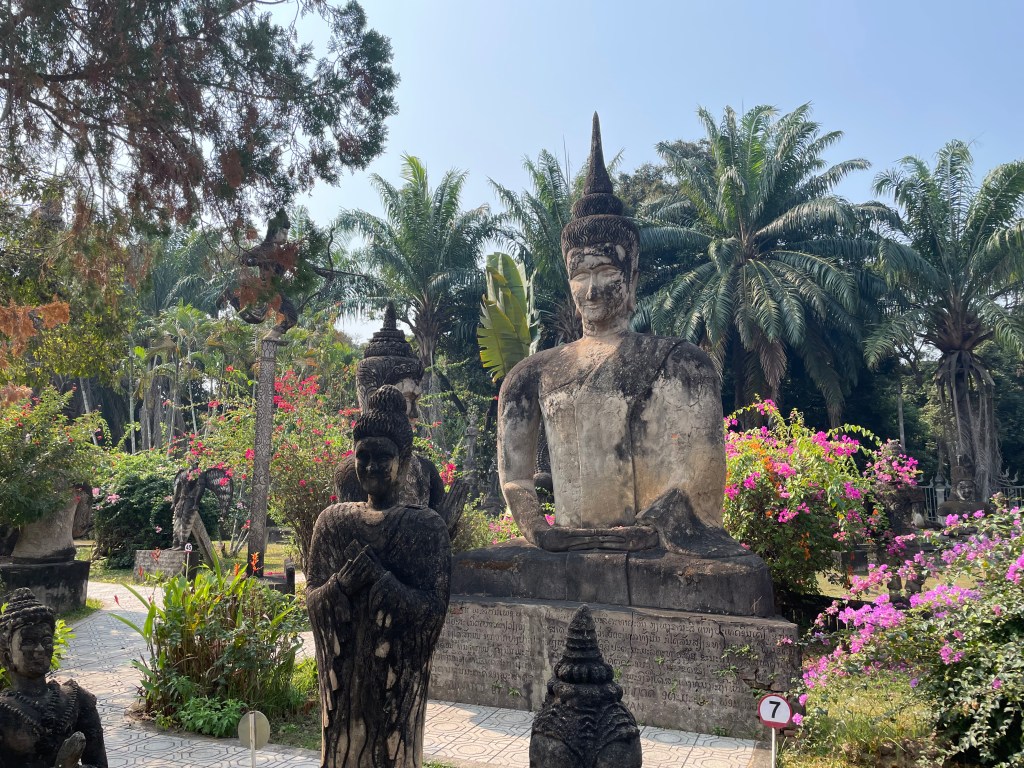


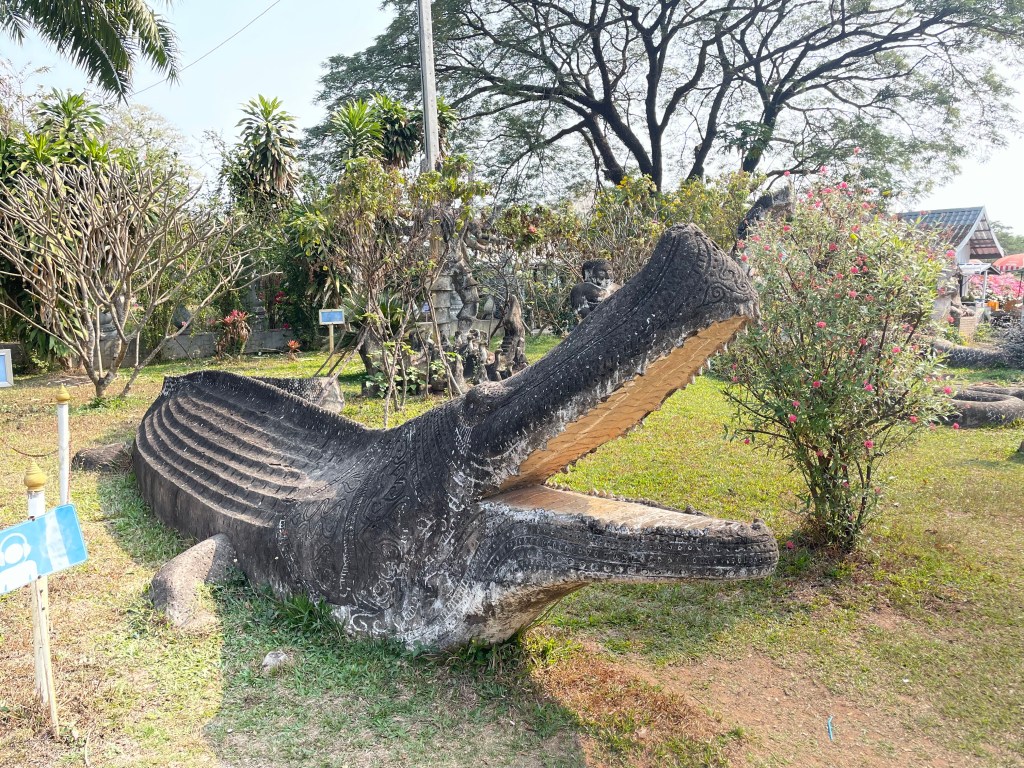
Once I had my fill of strange-ness, I took the bus back into Vientiane. My next stop was a major reason as to why I chose to visit Vientiane. An NGO, Cooperative Orthotic and Prosthetic Enterprise (COPE), was founded in 1996, in order to provide medical care, rehabilitative services, protheses, and general support to those Laotians who had been affected by UXOs (unexploded ordnance) leftover from the Vietnam War. Laos is believed to be one of the most heavily bombed nations on Earth, and tragically the spillover from the Vietnam War was responsible for most of this, as the Americans bombed the country heavily to disrupt North Vietnamese supply lines. The countryside is still to this day, littered with unexploded bombs, which can be detonated by simple movement or heat (like lighting a campfire), causing death or serious injury to those nearby. COPE believes that there are at least 15,000 Laotians who still require medical support as survivors of UXO detonations.
COPE operates from the Centre for Medical Rehabilitation in Vientiane, and in 2008 opened a visitors centre where people can come and learn about the work that COPE does, which I’d read extensively about prior to coming to Laos.
The COPE Visitor’s Centre takes you through the history of UXOs in the country, the efforts that NGOs and the government are taking to clear areas in the countryside of UXOs (and the processes that are involved in this), and go through some personal accounts and interviews with survivors of UXO detonations. COPE’s main area of work is in providing prosthetics to the many survivors who have lost limbs – COPE pays for transport and accommodation in Vientiane during their stay, support for families back at home, and covers the cost of the protheses, which I discovered are incredibly expensive. During my visit, I saw a number of people with prosthetic limbs coming and going from the complex for their appointments with the people at COPE. I left the centre feeling amazed at the amount of work the organisation does, and deeply saddened by the continuing effect the Vietnam War had on rural Laos, who had nothing to do with the conflict.
I’ve included a link to their site below:
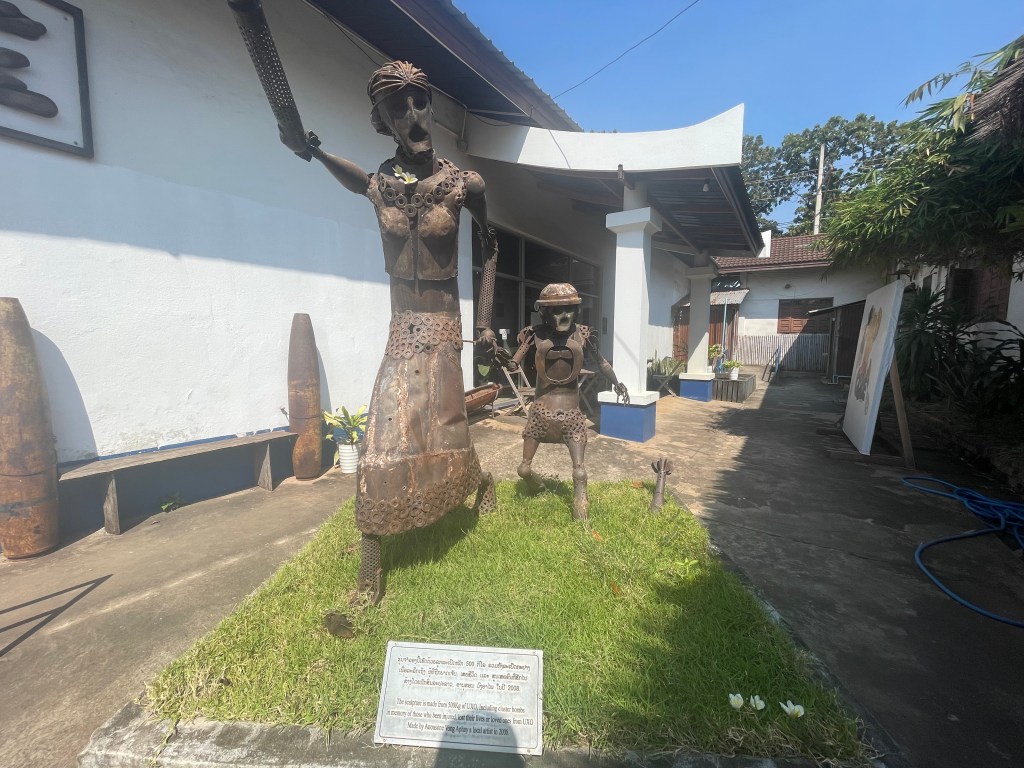
A sculpture outside the Visitor’s Centre – created entirely out of parts taken from unexploded bombs found in the Laotian countryside.
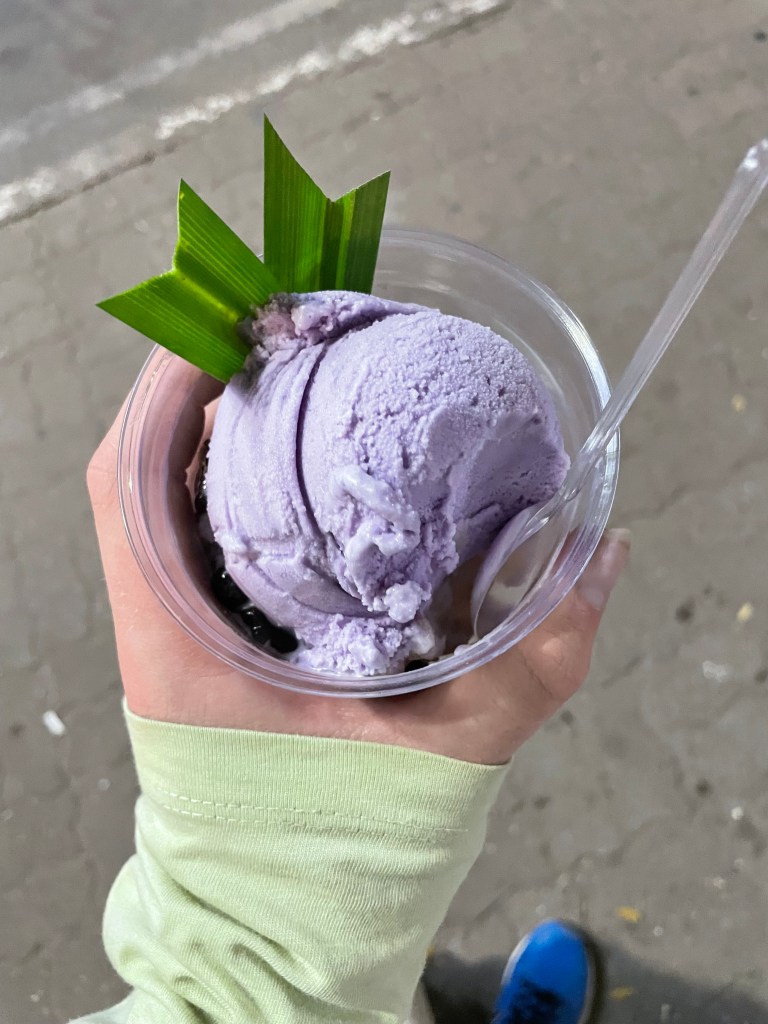
After a long day, I took it easy that evening, strolling through downtown Vientiane as the sun set, capped off with cold BeerLao and ube icecream.
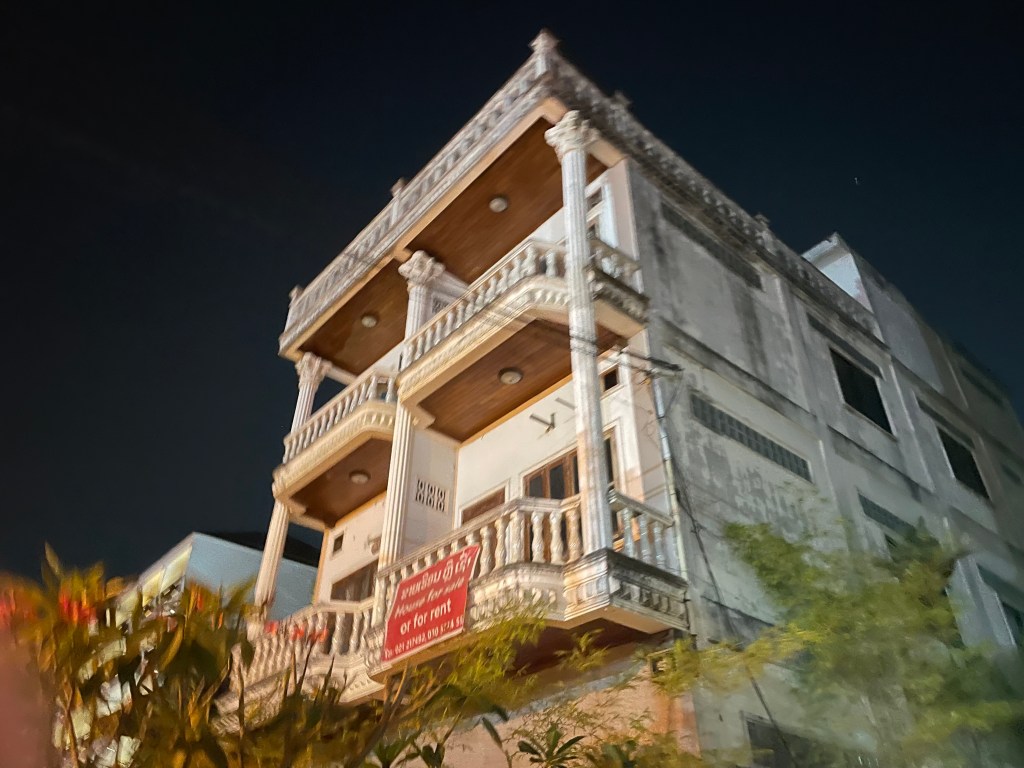
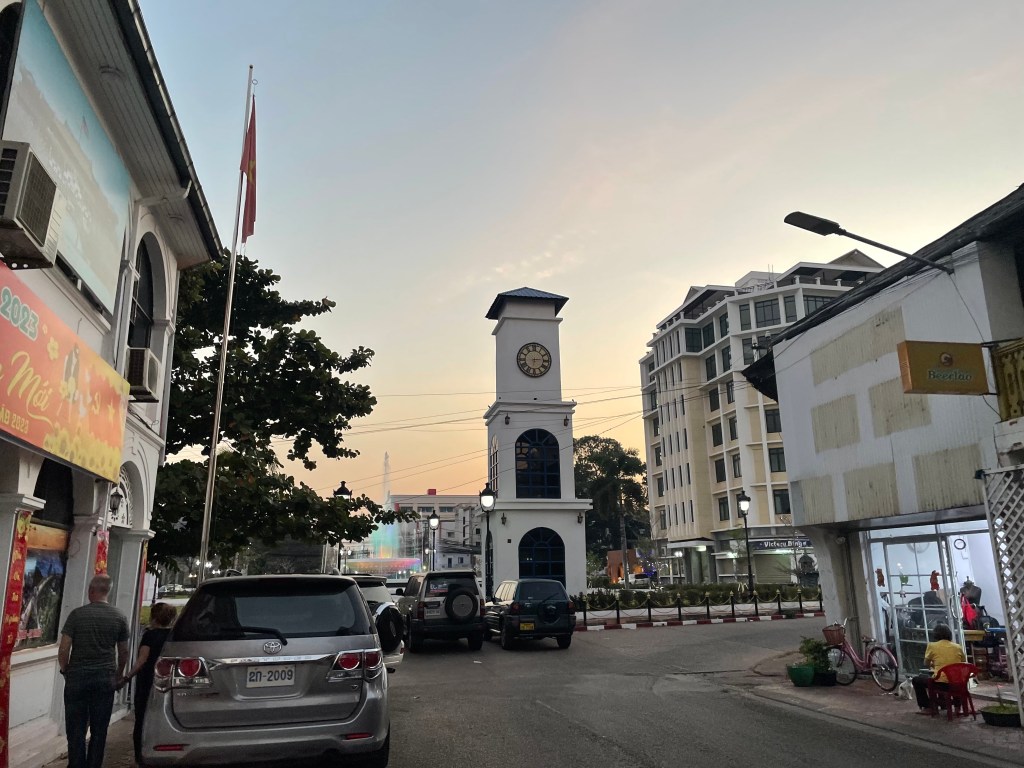


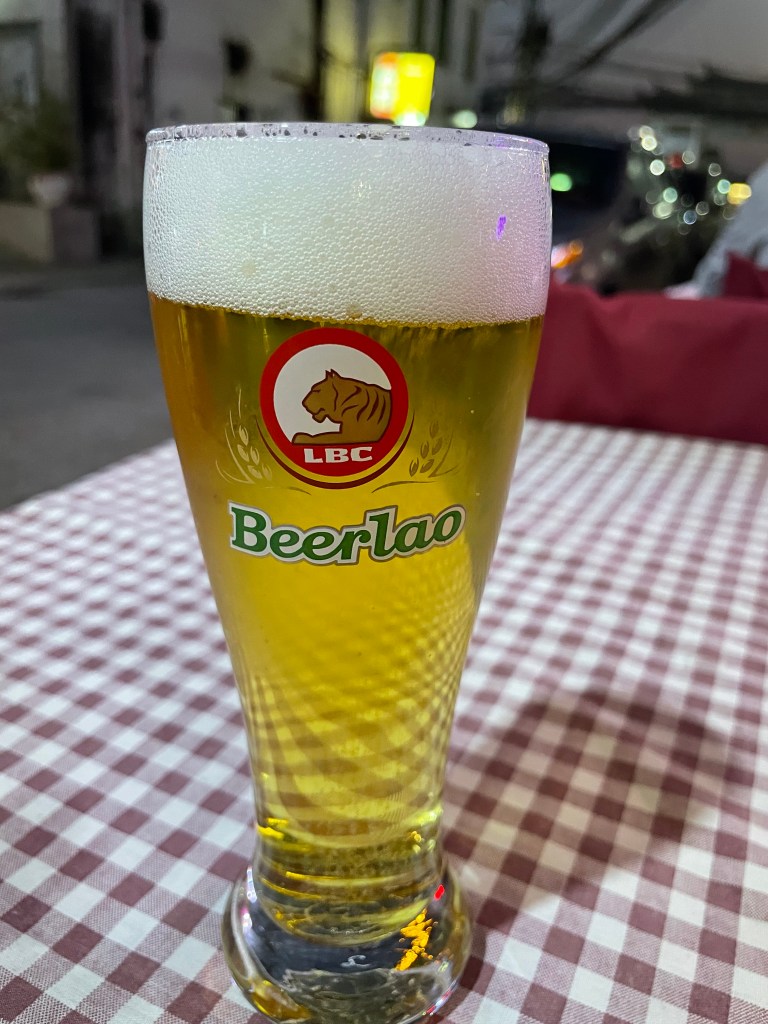
I had reserved my last full day in the Laotian capital for visiting two of the city’s most famous buildings, the Patuxai, and Pha That Luang.
The Patuxai, built between 1957 and 1968, was originally intended as a war memorial for those who lost their lives during Laos’s struggle for independence against France. With the communist takeover, it was rededicated to their victory. The structure itself looks a little like the Arc de Triomphe, but unlike the Champs-Élysées, the boulevard running up to it is not lined with high-end shops, but with palm trees – a bit like a tropical Paris!

Behind the monument lie a series of fountains, which give the area a sense of calm in the middle of Vientiane (not that Vientiane is particularly busy!).
I then headed out to Pha That Luang, coming across the ubiquitous Communist-country military-parade square along the way.
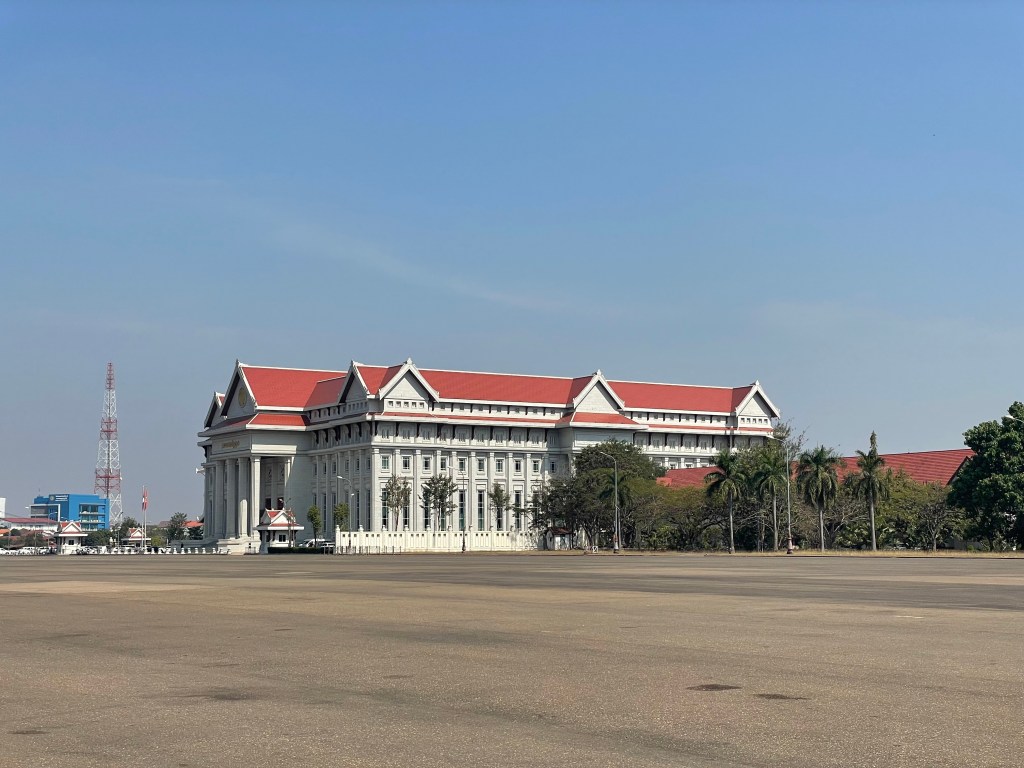
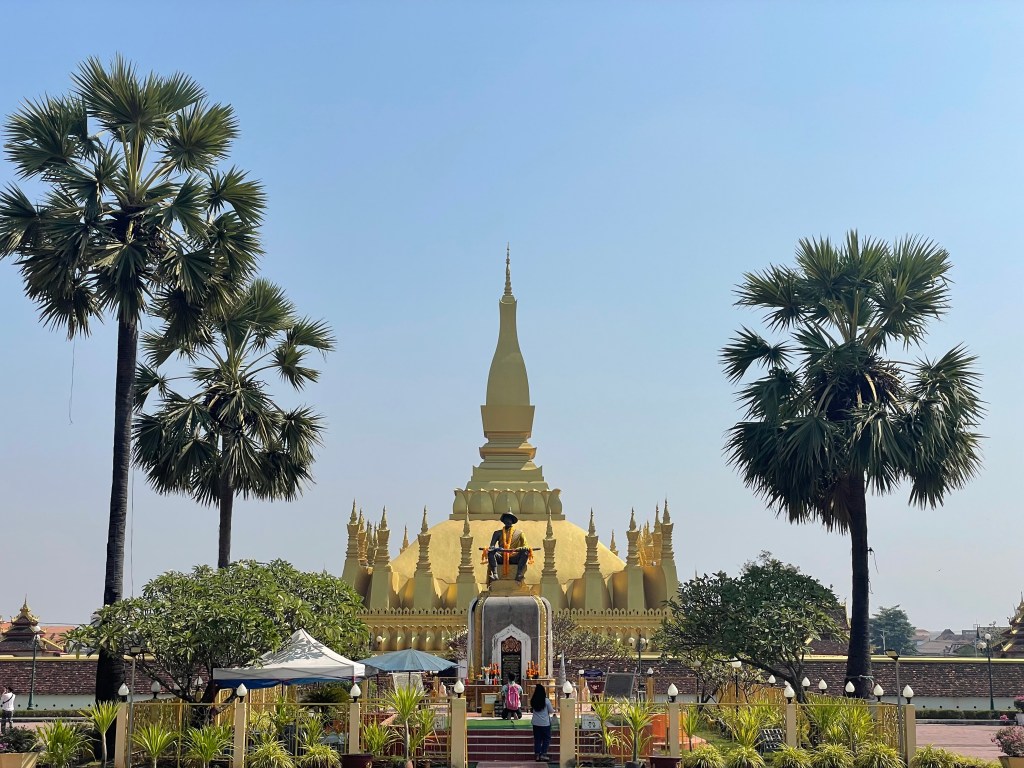
Pha That Luang is a gold-covered Buddhist temple, and is considered to be one of Laos’s national symbols. It certainly is an impressive monument to the nation’s primary religion, and the gold-leaf covering shimmers in the sunlight.
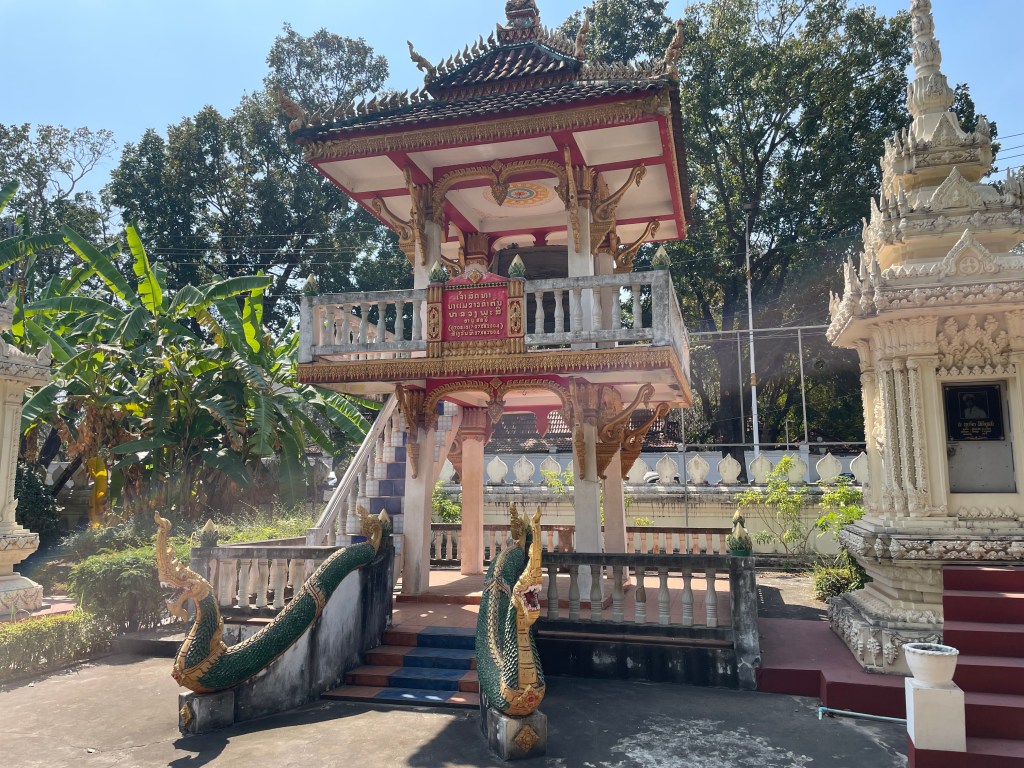
My final destination for the day was an active Buddhist temple, which I found fascinating in a state that officially eschews organised religion.
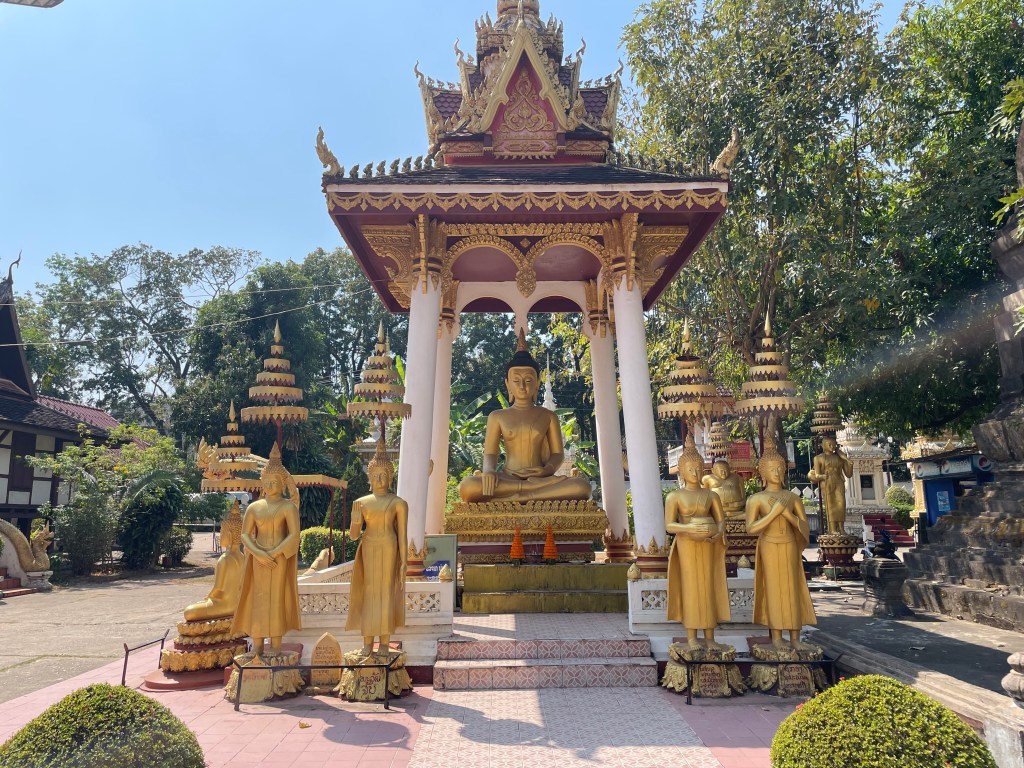
I spent the evening along the banks of the Mekong River, taking in Vientiane’s vibrant night markets. Its a quiet city, yet I think Vientiane has a lot to offer – the contrast with colonial and traditional architecture certainly was a highlight for me. I headed to bed for my last night in Laos – and the last of my trip, as the following day, I’d be headed home!
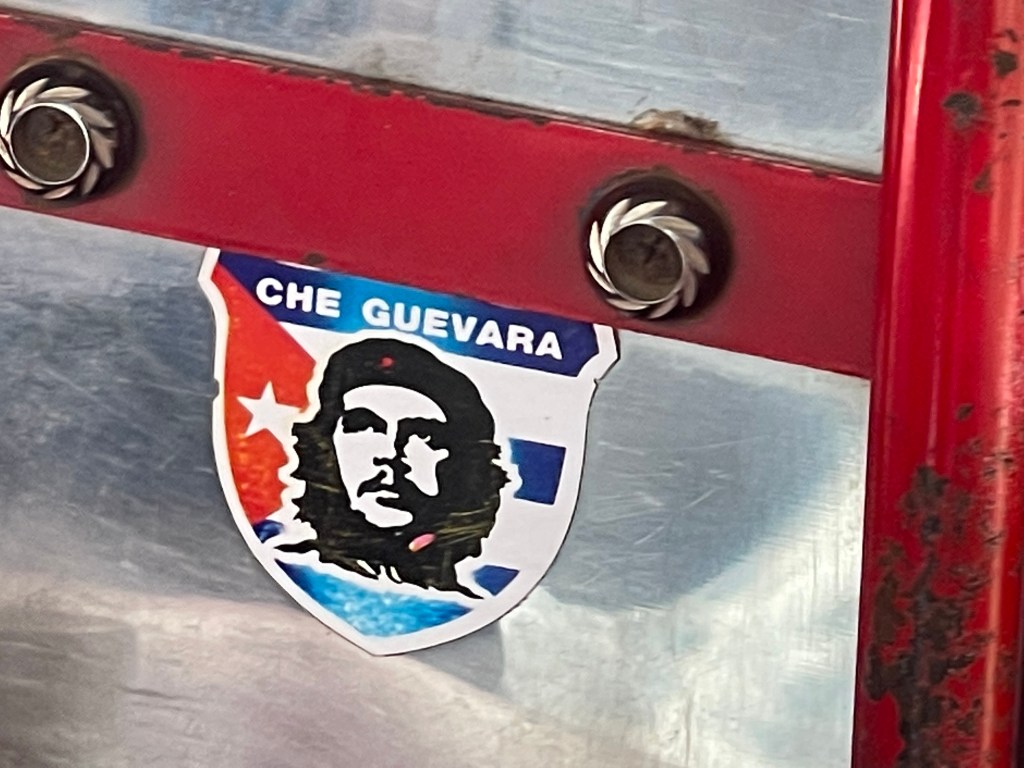
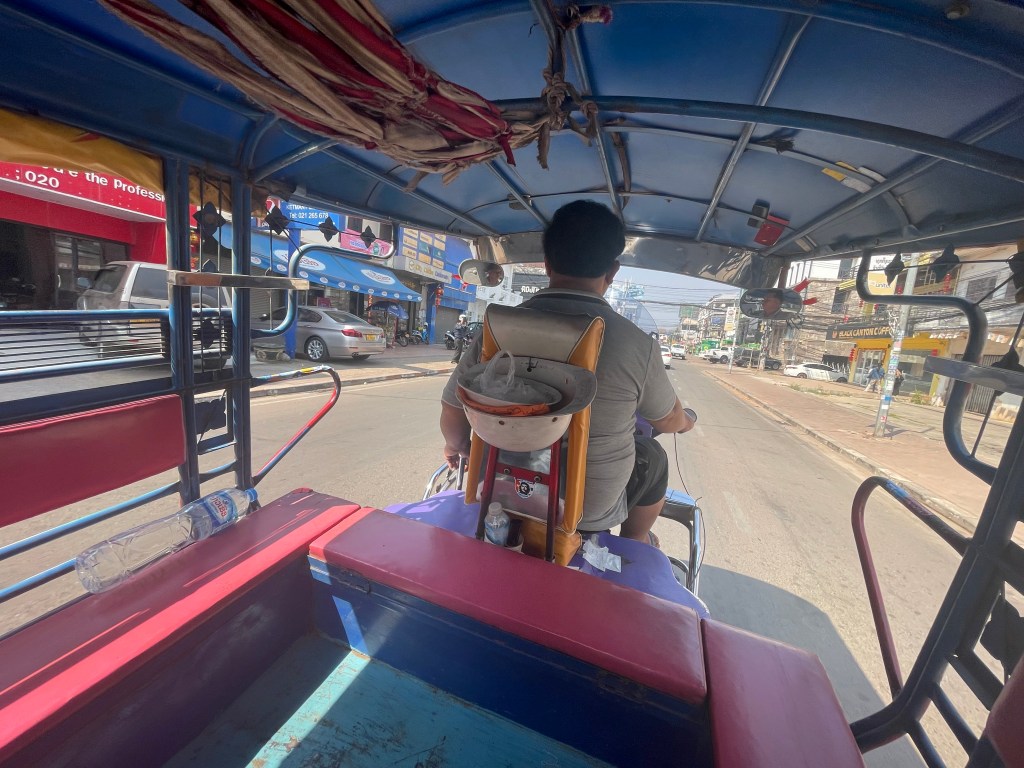
Instead of walking, I took the sensible option the next morning, and took a tuktuk to the airport. Sat in the open-tray back, I spotted Che Guevara stickers on the vehicle, complementing the hammer-and-sickle flags displayed next to the national flag at each street corner – an ancient society becomes a French colony, which ultimately becomes a communist-led country – history can be strange like that!

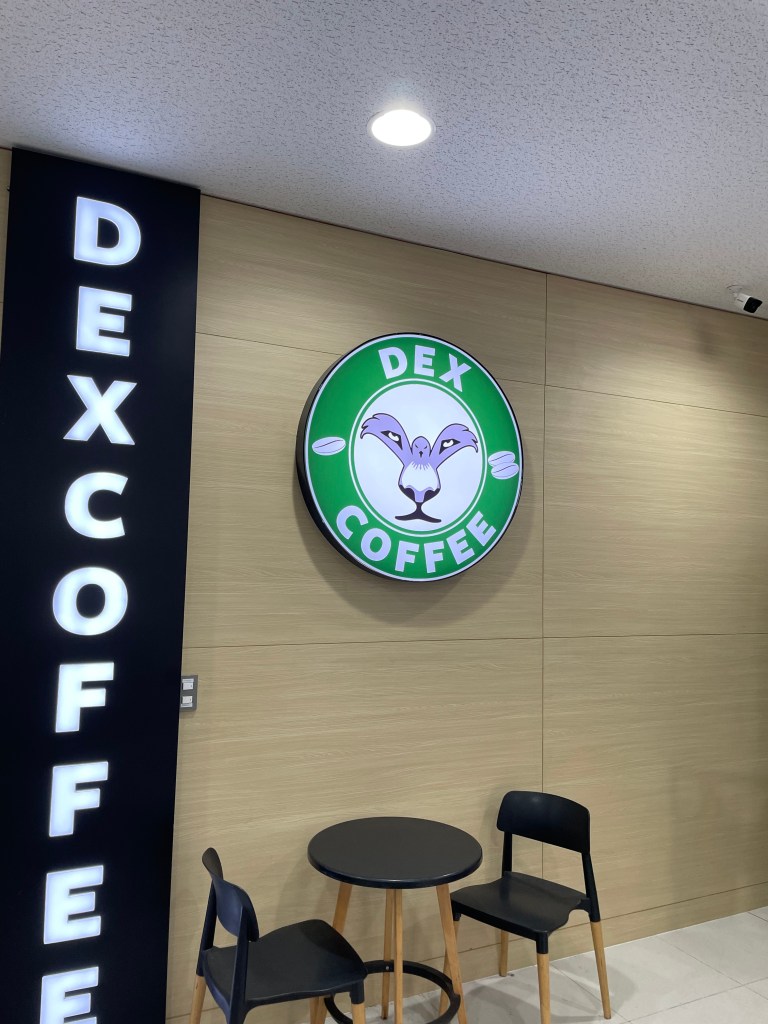
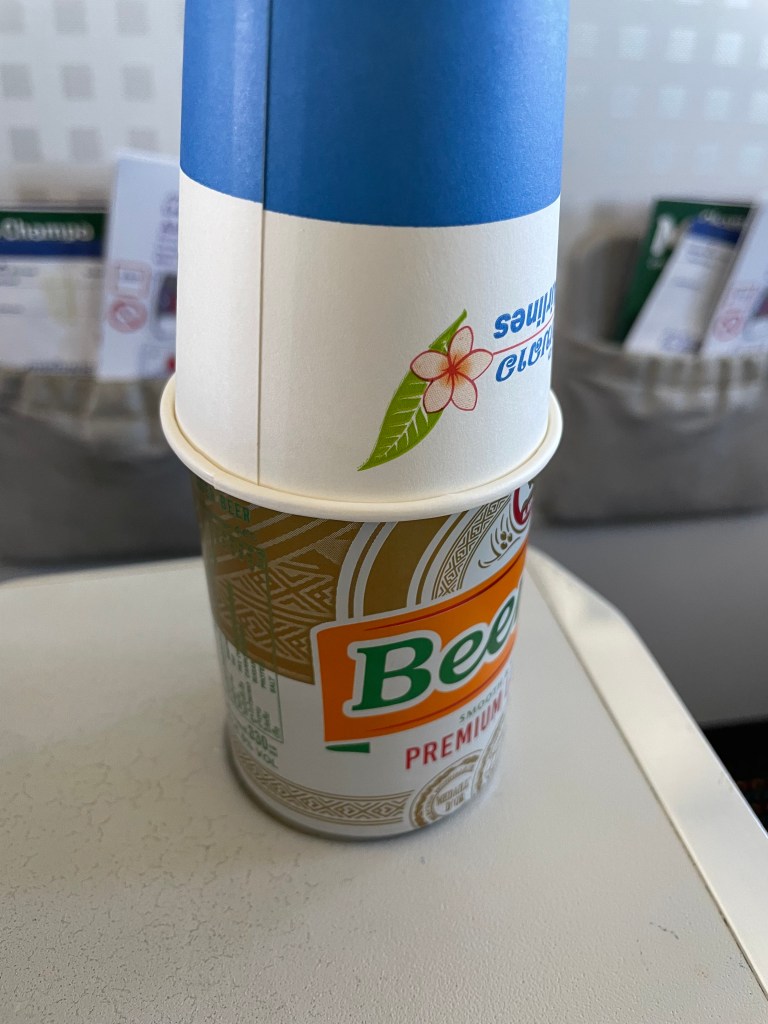
I made it to the airport with plenty of time to spare, and had to laugh at the Dex Coffee shop in the departures terminal, which was so clearly a reboot of Starbucks. I was flying Lao Airlines to Hanoi, and I honestly should not have been surprised when all passengers, as we sat down, were handed a cold can of BeerLao – ‘to take Laos with you!’
 Global Wanderer
Leave a comment